Deconstructing Walls

IMG_4263IMG_3999

Earlier this week, I blogged about teaching play techniques to students and professionals in the Czech Republic. I find myself still processing everything I saw and heard while in this beautiful country, and I am reluctant to leave it all behind, even as I prepare for my next journey abroad which is rapidly approaching in a few weeks.

“What one thing really stuck with you?” a friend asked me yesterday. It was hard to pick one thing, as so much is still reverberating. And the words to describe what I experienced are flitting just out of reach somewhere in my jet lagged brain.

IMG_4070
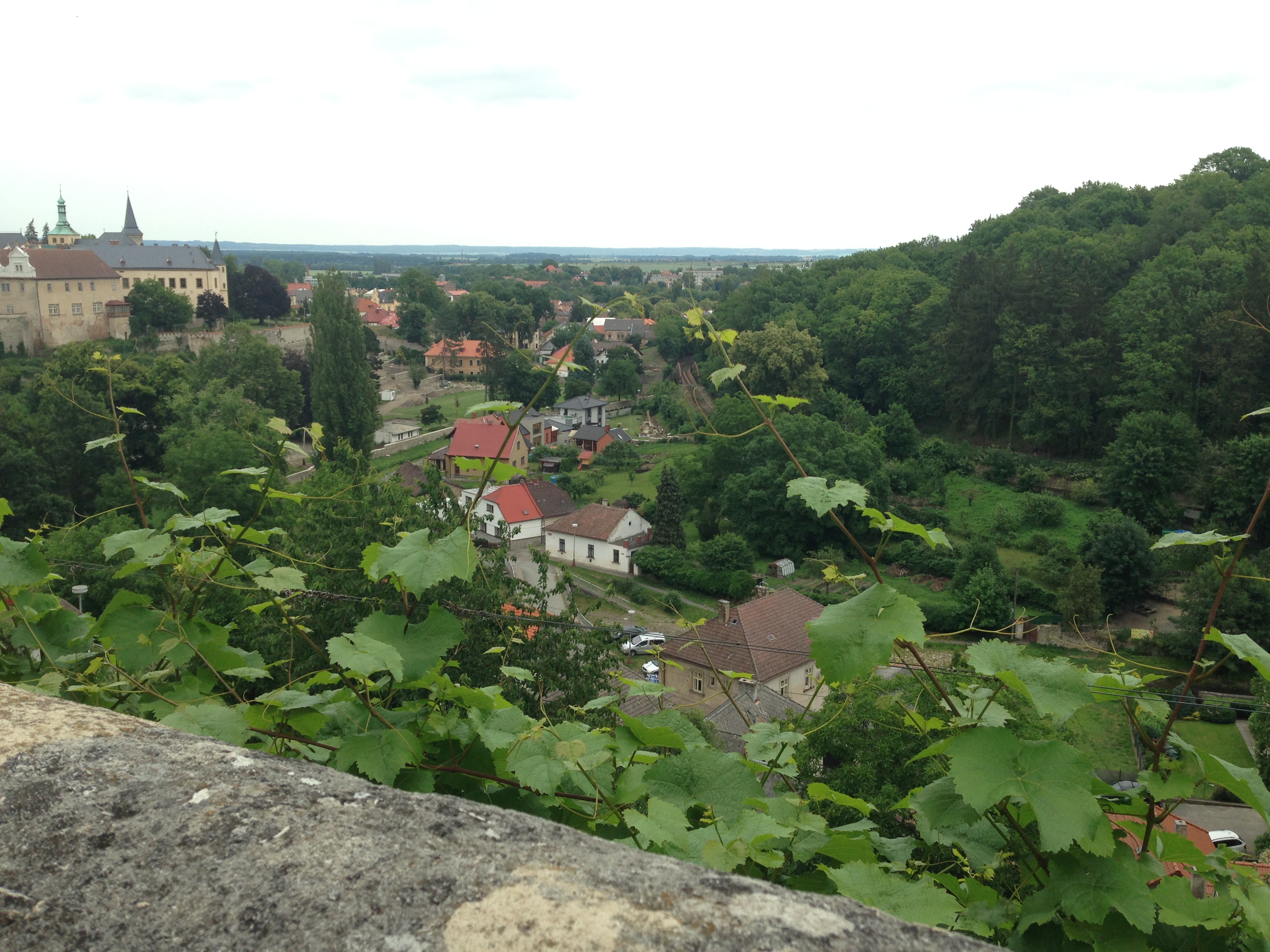
Czech countryside

I keep coming back to our three-hour road trip to the nursing school in Nový Jičin. Jiri is driving, and I ride shot-gun, the windshield framing the Czech countryside that slips by us, leaving swaths of  wild poppies, rich green pastures and elven forests and  in our wake. But it’s not the view that resonates with me. Continue reading
Teaching Playwork in the Czech Republic

Processed with VSCOcam with c1 preset

imgres-1 imgres-1       imgres-1    imgres-1

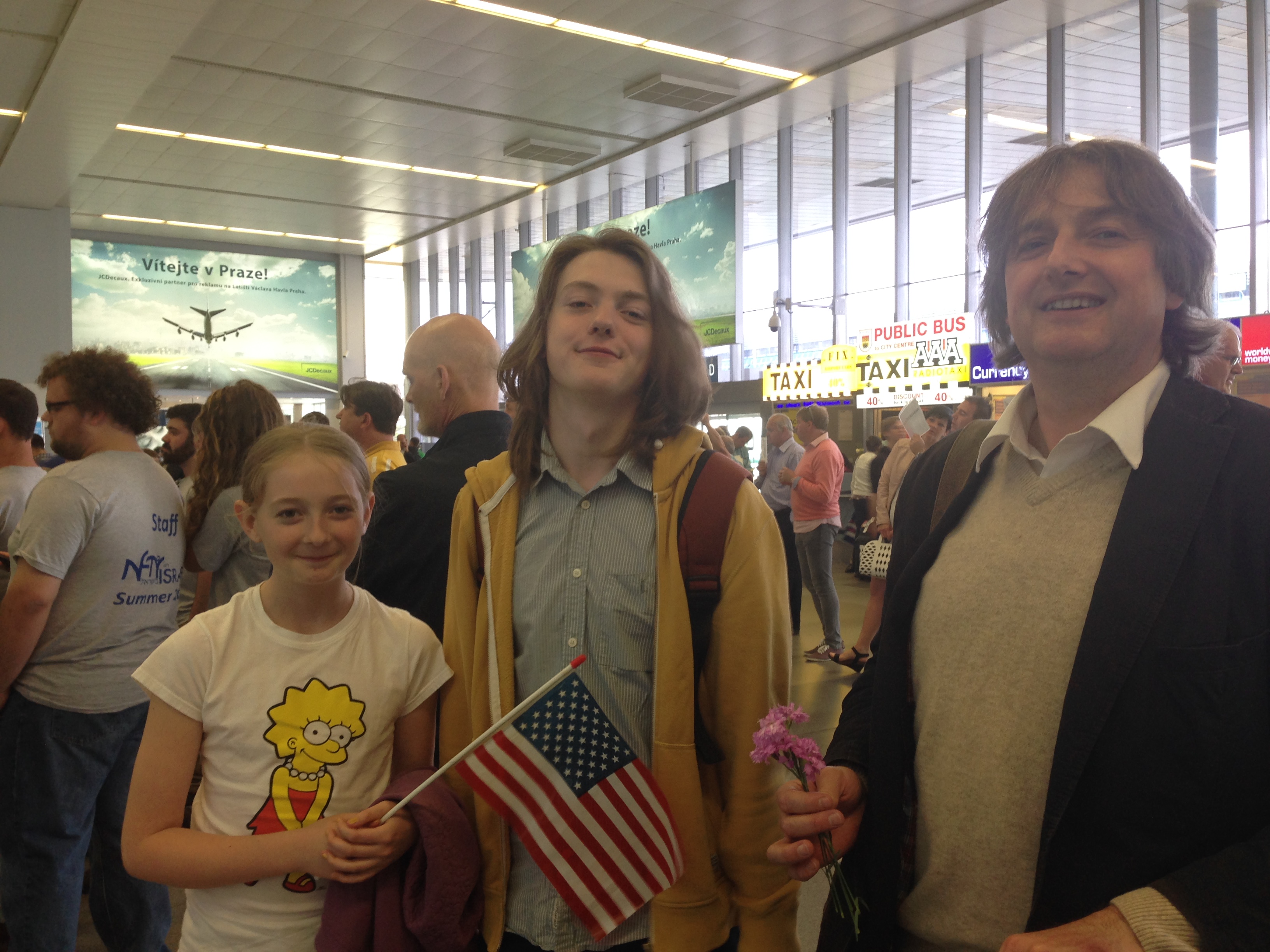
I could not have asked for a more thoughtful welcome to the Czech Republic. Disembarking the plane in Prague after my overnight journey,  I was greeted by the Královec family bearing an American flag and sweet smelling purple flowers from their garden in Malejovice.IMG_3975

Jiri and Markéta Královec, the founders and directors of the Kliček Foundation, generously sponsored my visit to teach play techniques to hospital workers at several locations in their lovely country. I had the honor of teaching one seminar at Charles University in Prague. Founded in 1348, it is the oldest and largest university in the Czech Republic and Central Europe. I was also welcomed at the Mendelova nursing school in Nový Jičin. My students ranged from a mixed group of working hospital play specialists, nurses, teachers and social workers at the university, to young students at the nursing school (our equivalent of high school students). All of the students were bright and enthusiastic learners.

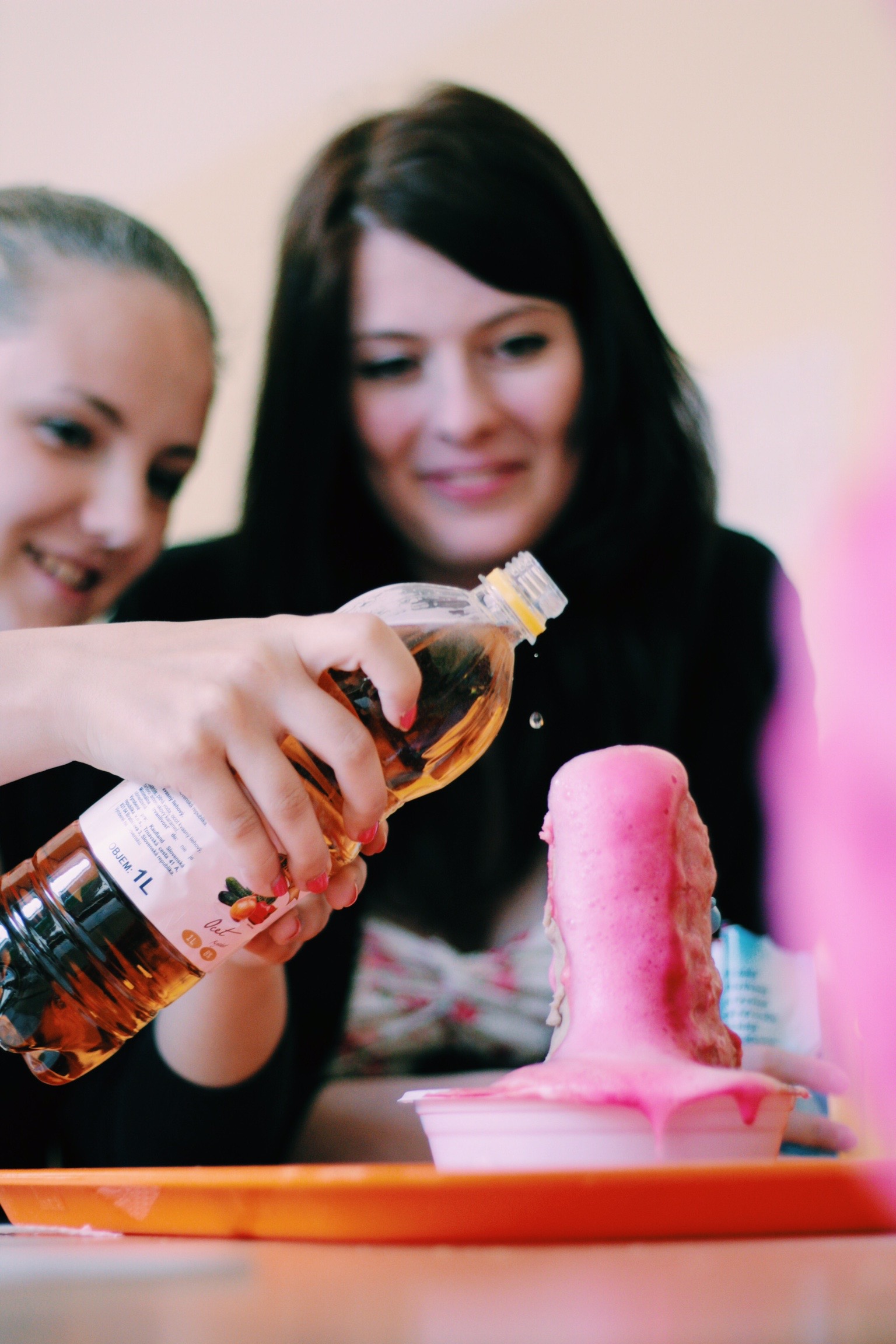
Work felt like play as we all rolled up our sleeves for some interactive lessons. I demonstrated loose parts work as well as activities to share with angry or withdrawn children, such as making volcanos and oobleck, as well as toilet paper targets. Continue reading

Loose Parts Play in the UK

imgres   11147078_10152693849825776_8185495936749210562_n   imgres

Cath Hubbuck is a Registered Hospital Play Specialist in the UK. She authored Play for Sick Children — Play Specialists in Hospitals and Beyond in 2009. After 9 years in the field, she is currently a stay-at-home mother to four small children. She keeps up her skills volunteering on the pediatric neurology ward of a large children’s hospital. Cath attended a conference presentation of mine two years ago, and has been an avid fan of loose parts since then. When she recently shared some photos of a loose parts intervention on FaceBook, I encouraged her to share the backstory of the photos. Here it is in her own words.

“On one Monday morning, I visited Christopher, a seven year old boy who was due to be inpatient for five days throughout which he would be the subject of a Video EEG (VEEG). This required him to be wired up to epilepsy monitoring equipment for 24 hours a day, via a continuous video recording (and hopefully documenting an epileptic absence or seizure) and approximately 23 electrodes glued to his head, neck and chest.

I had only dropped in to find out what sort of activities he wanted at his bedside, but as I arrived he was having his last few electrodes attached and was beginning to wriggle a little. I stayed and just talked with him as the Neurophysiologist finished the job – an informal distraction, if you like – but then Christopher suddenly grabbed his much loved Rabbit and said “Rabbit needs some wires, too!” Continue reading

Target Practice Part II

imgres

… Reentering Steven’s room, I stopped at the sink to fill the bedpan with warm water, placing the filled bedpan on Steven’s rolling bedside table. The sheets and towels went on the floor against the wall opposite the foot of his bed. Steven’s eyes followed my every movement, showing curiosity and anticipation

So, here’s the deal.” I said. “Lots of kids have stuff happen in the hospital that they find upsetting or scary. Sometimes it helps to get these feelings out in a physical way. I am setting up a target game, where you will get to throw wet toilet paper at what is upsetting you until it is completely destroyed. The question for you now is, do you want to destroy the drawing of your hand, or is there some other thing you could draw that you’d like to obliterate?”

Steven picked up a marker, so I brought over the big piece of chart paper. He got right down to work, drawing a huge needle that took up the entire sheet of paper.

“Oh,” I said. “That looks like the needle that might have to go in your hand.”

He nodded. When he finished, I took it from him and taped it on the wall opposite his bed.

“Now for the demonstration,” I said, reaching for the roll of toilet paper. “See, you take as much as you can to make a nice, big wad.” Continue reading

Target Practice Part I

imgres

As a child life specialist, I’ve seen countless examples of play transforming a child’s mood in the hospital environment. I remember well the day when Steven lay curled in a ball beneath the covers in his hospital bed, his caffe latte bald head hiding beneath the sheets. He had not showed up in the playroom that afternoon, which was unusual. This was one of those kids who waited eagerly outside the door each day for the playroom to open and was often the last to skate his IV pole back to his room at the end of the day. I had yet to see Steven without a smile on his round, open face. He was a content child with a quiet maturity that went well beyond his seven years. He took his medical treatment in stride and enjoyed the company of his brother and sisters, as well as just about every activity the playroom had to offer.

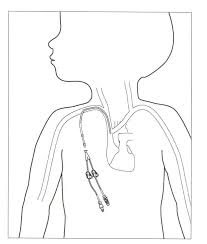
But not this day. It was mid-afternoon and we had yet to see a glimpse of Steven. His mother stopped by and informed me that Steven had an infection in his Broviak catheter and that it would have to be surgically removed.

images Continue reading

Caring in Cameroon

search    10443980_1029035760443758_744098783317545831_n     search

When we observe anything in this world, our perspective is tightly interconnected with our cultural context. As we grow from the egocentrism of childhood to a more expansive view as adults, we may see that not everyone comes from our circumstances, shares our belief system or our way of doing things. At the age of 52, I was a late bloomer in my foray into other cultures. But travel to New Zealand and the Palestinian Territories in 2014, and speaking at the first International Summit on Pediatric Psychosocial Services began a process that continues today. I have learned that “Child Life” has many names and forms across the globe.

As I cast a wide net with my blog, trying to see how I can do the most good, it occurred to me that I could use it as a platform for getting out the good word about what people are doing in other countries to make life better for children in and out of hospitals. So every so often, I will choose a country and share the story of a colleague who is holding the torch of kindness to dispel the darkness of fear and pain for sick children.

My first spotlight is on Macdonald Doh, my honorary son and a head nurse in the Emergency Department of the Yaounde Gynaeco-Obstetrics and Pediatric Hospital in Cameroon, Africa. I met him at the CLC Summit where he represented his country along with 45 delegates from all over the world.  In Cameroon, there is one doctor to every 10,000 people, as compared with 2.4 doctors per 1,000 in the USA. Continue reading

Child Abuse Prevention

51A3TThNpyL._AA160_Its-My-Body-Lory-Freeman-990033-200x31551PVUhBRKXL._AA160_51heVE3xoHL._AA160_

Thank you so much for joining me on my blogging adventure. It may take me some time to find my groove, and you may see me jumping around a bit to different topics. Please comment on which topics are of most interest to you, and I will do my best to give you what you need and enjoy.

Today, I am writing on one of the topics I had in mind when I set up this website – advice for child life specialists, but my hope is that it will be helpful for teachers and caregivers as well. A wise man, Jon Luongo, advised me that I have a great deal of writing material squirreled away in the posts I have been making to the Child Life Forum for a number of years. Today I responded to a request on the Forum for information and resources regarding running a workshop for parents/caregivers on child abuse prevention. Below is the gist of my response. Continue reading

Tilling

imgres-2

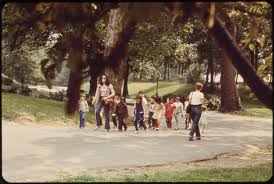
A cluster of school children spill onto the bridle path from an entrance on the upper west side of Manhattan. They emanate pent-up energy and their voices crescendo as they discover the reservoir vista. I register some mild annoyance at their squealing, but it only takes me a moment to recalibrate and appreciate their excitement. They overtake me and I walk for a bit beside the noisy group, eavesdropping on their exuberance and their teacher’s failing attempts to curtail it.

“Stop walking that way. Walk like this. Pick up your feet!” Continue reading

The Box

imgres-1

 Juan was a 7-year-old, sturdy kid with shortly-cropped black hair in the first grade at an inner city public school. Juan’ teacher asked me to work with him on his social skills and impulsivity. My mode of working with children is based on the principles of the child-centered approach, which calls for unconditional positive regard for the child and trust in the child’s ability to find his own way towards healing. This removes the adult-driven agenda as one creates an emotionally supportive play space in which the child explores avenues of his own healing.

The first time I brought Juan into the playroom, he knew exactly what to do.

The toys in my portable play toolkit were chosen to encourage expressive and dramatic play: human figures, rescue vehicles, a toy medical kit, crayons, and playdough. During our weekly sessions, the room itself became part of the play space as well, with its piles of school materials. Each session, Juan would initiate play and instruct me how to play. I served as a willing participant, but I strove to remain in a subservient role, allowing him to direct my actions to suit his needs. I acted as both participant and witness, narrating his play and giving words to the emotions that he played out before me.

Themes emerged, as did routines. One in particular was a challenge for me. At the end of every session, he would avoid putting a stop to his play and refuse to return to the classroom. He would hide behind furniture and boxes, making me feel like an ogre as I prodded and cajoled him out the door. Continue reading

Remembering Margaret

DSCF2009

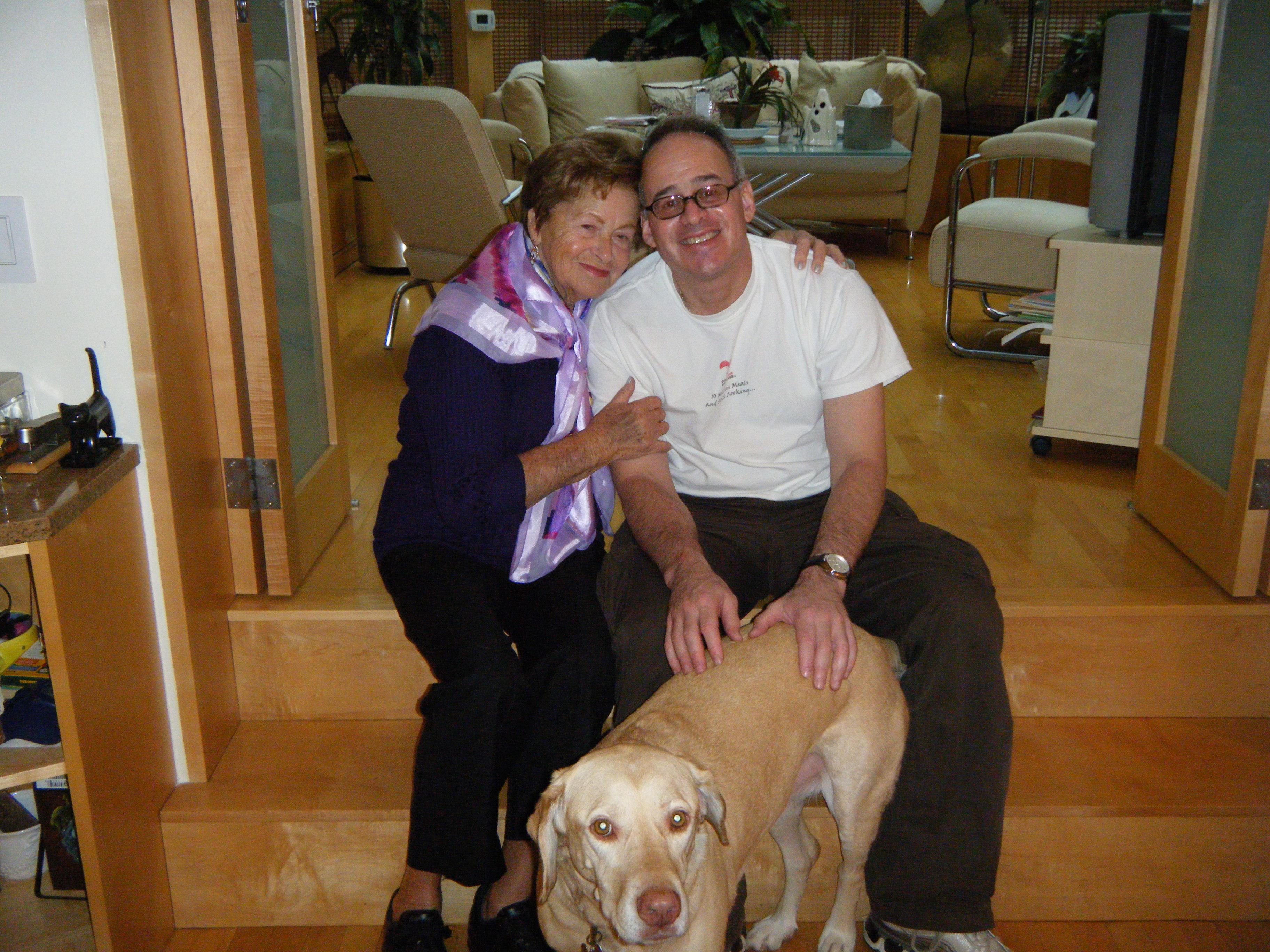
It took a long time for Margaret to warm up to me. After all, not only did she see me as a rival for her first born’s affections, but I was a Shiksa with a minister for a father. That was a hard pill to swallow for someone who survived the Holocaust at such a tender age. And I took some time warming up to her as well. I was 22 years old when I met her, immature and insecure.  I was resentful of her complicated relationship with Jeff.   I felt helpless in the face of her traumatic history and suffering. It overwhelmed me. I kept a defensive and wary distance.

But thirty years is a long time. On weekends and holidays, I sat at her table, and she sat at mine. I enjoyed her soup. She critiqued my Thanksgiving turkey. And I don’t know if it was the psychotherapy we each had or the passing of time, but something shifted over the years in subtle and big ways. Continue reading