Parallel Process – A Rap Love Song to My Job

images-2


During this past academic year,  fellow faculty members met in small inquiry groups to study our work in the advisement of graduate students in supervised fieldwork. The process was reflective, exciting, daunting and helpful. How do we assist graduate students in developing their personal and professional selves as they prepare to work in public and private schools, museums and hospitals? The lyrics to this song came to me as I tried to wrap my brain around the work that we do – and how to represent it to others who have never experienced the challenges and joys of advisement, as either a graduate student or a faculty member. Here is what came to me in the middle of a sleepless night.


Continue reading

Driving the Camel: Installment #11

IMG_1711

Dear newcomers to my blog,

Driving the Camel is a memoir that I am publishing as a serial on this blog. It follows my adventures as a child life specialist during a transformative year of my life when I battled breast cancer and travelled the world. It includes reflections on my past work as a child life specialist, my personal life and stories of the wonderful people I met on my travels. You can find previous chapters in the side menu categories under “Driving the Camel: Adventures of a Child Life Specialist.

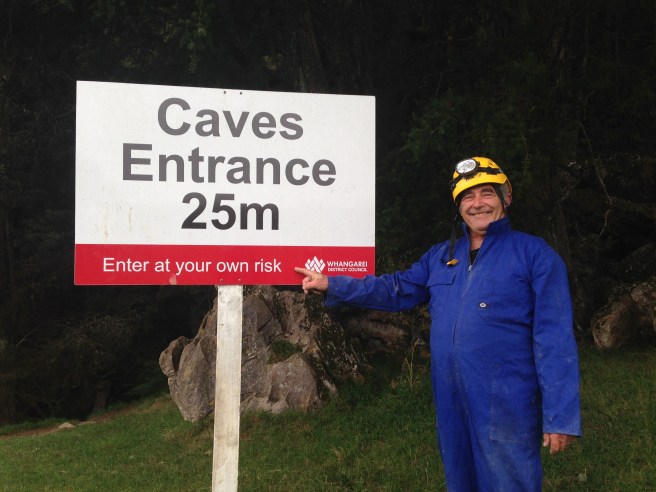
…There was one more thing that Garth wanted to show me. He led me across the pasture and into a copse of trees that felt like an elven forest straight out of the Lord of the Rings. We hiked for a bit until I saw another large outcropping of rock. As we approached it, I could see a small opening in the rock face.

“The cave you just climbed through; that’s nothing. This is where I used to take kids abseiling,” he said. “We’d tie up a rope here, and drop them about 100 feet down into the cave. The stream you saw in the other cave – it comes out here. So, we’d lower them down and then they’d swim out.”

“A terrifying thought,” I said.  Continue reading

Driving the Camel: Installment #10

IMG_1759

Dear newcomers to my blog,

Driving the Camel is a memoir that I am publishing as a serial in this blog. It follows my adventures as a child life specialist during a transformative year of my life when I battled breast cancer and travelled the world. It includes reflections on my past work as a child life specialist, my personal life and stories of the wonderful people I met on my travels.

Cave Man

One morning mid week, I was struggling to figure out the electronics of the kitchen stove. The electric teakettle was easy, but I couldn’t figure out the touch buttons on the range to save my life. I reached for a book of manuals that Marianne kept amongst the recipe books. As I opened it, a small slip of paper floated to the floor.

It said simply, “For cave tours, call Garth” with his number scribbled in pencil.

“This is no accident,” I told myself. I had always loved caves, at least from the standpoint of a visit to a tourist trap in Bermuda when I was 11 years old.

I dialed the number and was greeted by a robust voice,.

“Garth here.”

I told him that I was interested in touring a cave.

“Well, I haven’t done THAT in a long while!” he said. “What is your level of expertise?”  Continue reading

Driving the Camel: Installment #9


IMG_1694

BeachCombing the Soul

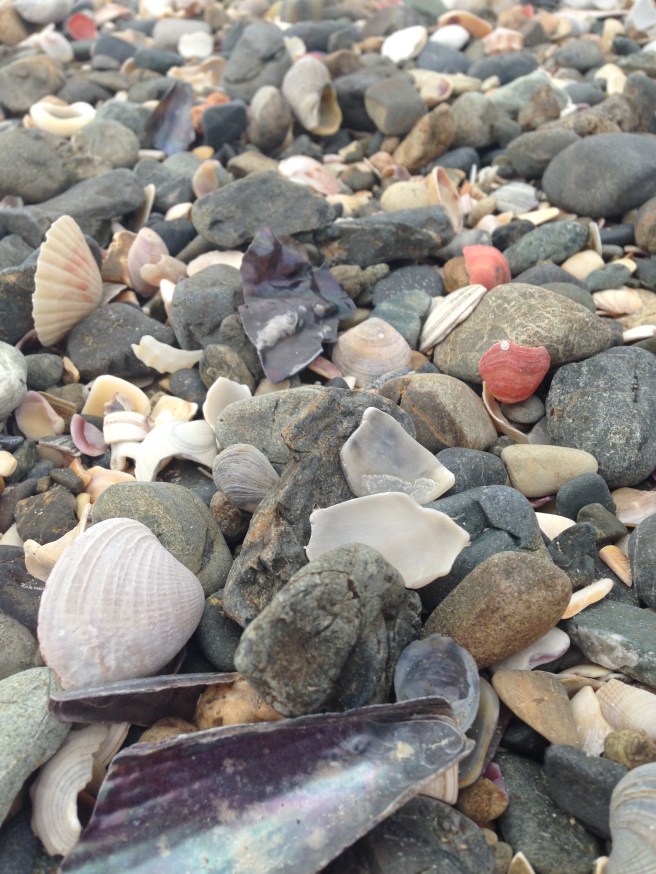
Each day at the beach held a gentle routine. The solitude became less and less threatening as I relaxed into it, walking the beach twice a day, cooking simple meals, feeding the goldfish that swam in a large planter by the deck, sleeping, and writing. The mornings found me waking early as the first rays of sun reflected off the water and shimmered across my upturned face. I arose eagerly and walked the length of the beach, pants rolled to my calves, enjoying the surprisingly warm water at the edge of the tide. I marveled at the plucky seabirds, pipers and oyster catchers running alongside searching for their morning meal in the wet sand. They felt like the perfect companions. I’ve always enjoyed beachcombing, and the treasures underfoot competed with the rumbling surf for my attention. There was so much beauty everywhere that it was hard to know where to look.  Continue reading

Get Ready to Play!

IMG_0062 (1)

Okay, so call me a nerd. Few things bring me more joy than teaching a subject that I love with a colleague who has even more passion and enthusiasm for the subject than I do. I have had the pleasure over the years of co-teaching with many wonderful and talented colleagues – Betsy Wilford, Elizabeth Laureano, Edna Garces, Karen Marschke-Tobier, Caitlin Koch and Jon Luongo, to name a few. In each of those situations, whether it was Sunday school, a therapeutic nursery school, graduate school, in another country, or at a conference, I became a better teacher within the partnership than I ever would have been alone.

And now, as I prepare for my upcoming gig at the Child Life Council’s 34th Annual Conference in Orlando, Florida next week, I celebrate the colleagues that I will be teaming up with.  Continue reading

Child Life Bibliotherapy

LogoOnTexture


Guest Blogger: Mary Pat Benning


Many child life specialists are familiar with the quizzical expressions that come when sharing their professional title and job responsibilities. Imagine that scenario- but magnified- when telling someone you are a child life specialist with a niche in bibliotherapy! For me, this revelation often requires a little illumination. And, truthfully, since the publishing of Heartfelt Books, I can say –I have gotten skillful in the art of explanation!  Continue reading

Driving the Camel: Installment #8


IMG_1607

Homesick


Once the conference began, I was surrounded by like-minded professionals, everyone eager to learn and share.  In order to earn my keep, I was slotted to present three times on three topics, the first a workshop on play techniques to use with angry or withdrawn children. The audience was receptive and participants volunteered readily to assist me in demonstrating several activities. They shared what made them angry, hurled wet toilet paper at a paper target, and erupted a play dough volcano with glee.  Continue reading

Coping with Cancer Through Journaling

Guest Blogger: Deb Vilas at PediaPlay Participating in Visible Ink was a huge coping mechanism for me when I was treated for cancer in 2013. Memorial Sloan-Kettering Cancer Center runs this program on a strictly volunteer basis, matching cancer patients and survivors up with writing mentors to work on creative writing projects of the patient’s […]

via Coping with Cancer Through Journaling — Child Life Mommy

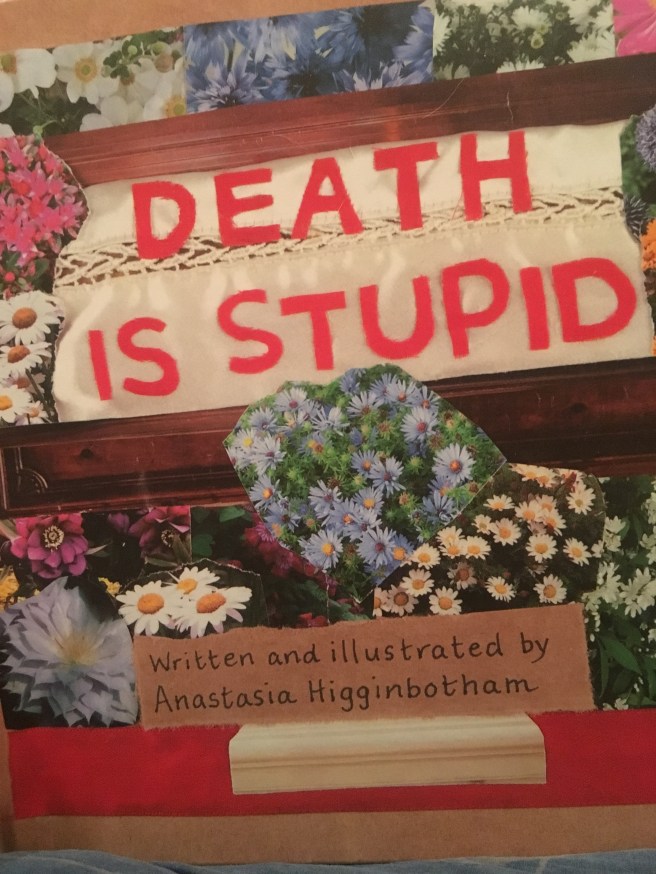
Death may be stupid, but kids aren’t.

image

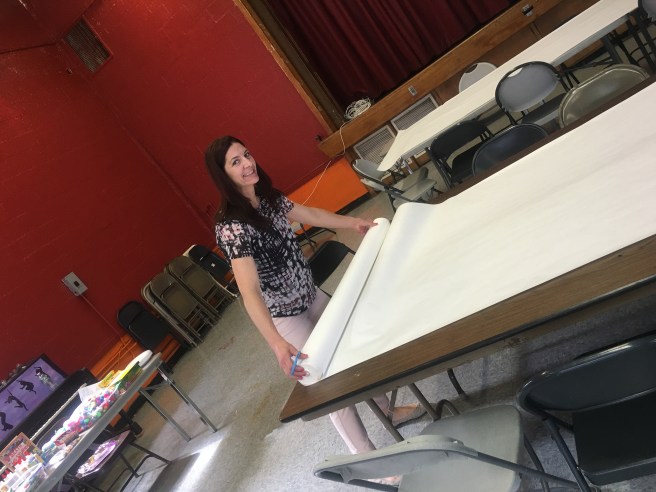
This week, Shani Thornton (aka Child Life Mommy) and I brought Child Life services beyond hospital walls into our community. Via a referral from Jen Holahan, CCLS, a parent invited Shani to do some bereavement work at a girls and boys club.  A staff member and former member of the club had recently died unexpectedly, and the kids and staff  needed support. Shani reached out to me and asked if I would join her. How could I say no?

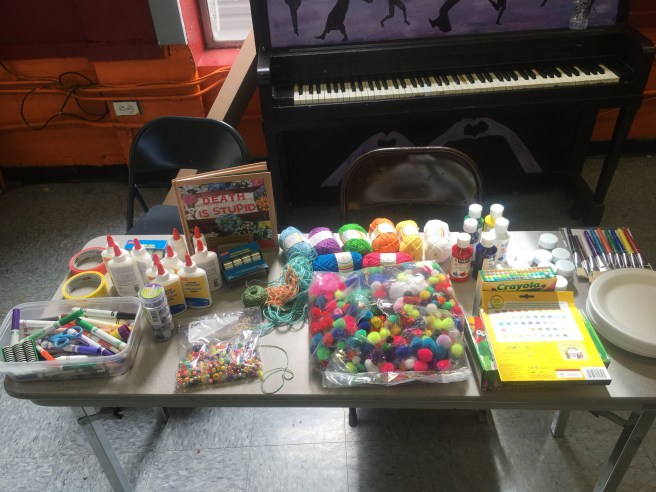
We armed ourselves with Anastasia Higginbotham’s book Death is Stupid, 3 rolls of toilet paper and Shani’s years of experience volunteering with bereaved children at Center for Hope. Our plan of action included a read aloud, followed by a group mural where  the school-aged children could express any of their many feelings about their beloved mentor’s death. The club supplied a huge roll of white butcher paper, paint, crayons, markers, glue, yarn, glitter, pompons, and googly eyes. The kids supplied their hearts.
image

image

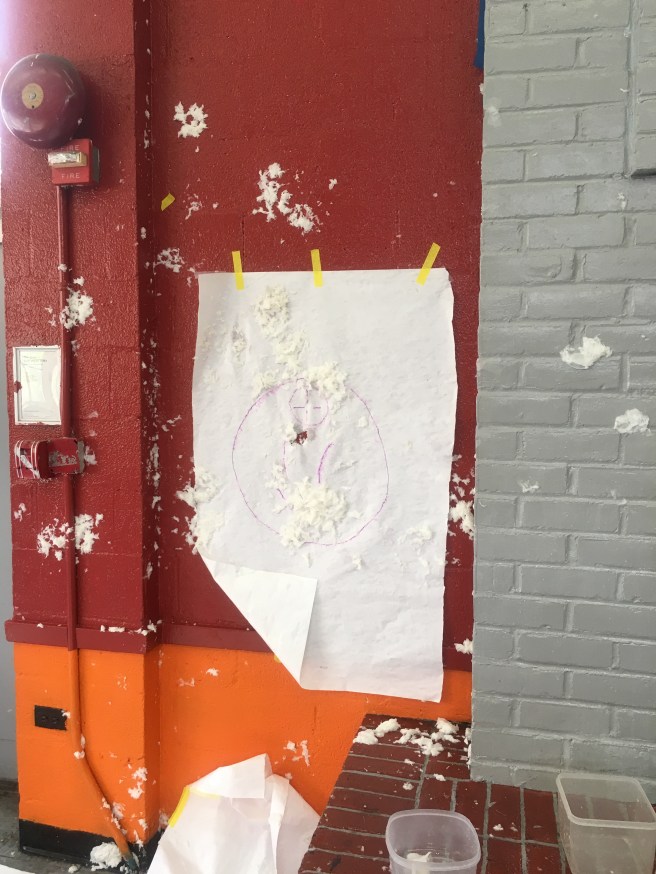
In addition to the mural, we set up a toilet paper target station in a corner away from the art activity.  Kids could draw what was making them sad, angry or afraid, and then wail away at the target with sopping wads of water-logged toilet paper.

What did we discover? Well, first, the children joined us in a circle of chairs for the reading of the book. Some teared up while others got silly. We staid our course and refrained from redirecting any of it. We were surprised when almost all of them raised their hands when asked if they knew others who had died. Many relatives and pets had already paved the way for this loss.

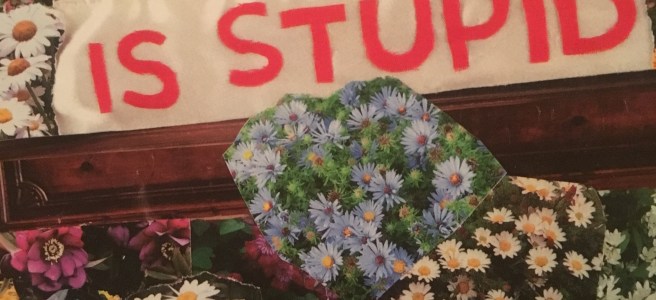
Then we set them loose on the mural. They dug deep quickly, drawing and writing about their feelings and memories about the young man who had died at the tender age of 21. They told us stories of things they had done with him, what he enjoyed, how he had helped them with their homework. They talked openly about feeling sad and angry. One tween drew a heart, wrote “Death is Stupid” in the middle of the heart, and then crossed out ‘Stupid’ and added the words scary, mean, weird, confusing and heartbreaking.

Those who weren’t quite ready to join in the mural found solace in the target game, something that allowed for a more physical, visceral release of emotions. “I hate death” they wrote on the target. “Come Back!” One child drew a picture of himself crying, and then decided to cut the drawing off of the target, so that it would not be ruined by the wet toilet paper. Their bodies danced in anticipation as they lined up to take their turns spooling toilet paper around their fists. The toilet paper flew, splatting with satisfying force again and again, as emotion propelled major league-worthy arms.
image

When the smoke cleared, every child had contributed to both the mural and the target practice. We regathered in the circle, where Shani reminded them who they can speak to about their feelings as time goes on. The kids named their parents, counsellors, teachers and one another. We held hands and shouted their friend’s name as a final ritual.

Kids know what they need. When adults provide them with space, time, materials and a listening ear, kids know exactly what to do. They need to talk about the person they lost. They need to know that the adults in their lives can hear them without turning away or handing out platitudes. They need to know that they are normal, that their thoughts and feelings aren’t bad or wrong. And they need to know that the feelings will come and go, and that it’s okay to play and have fun anyway, even amidst the sadness.

After the room had emptied, as we scraped wet toilet paper off the cinder block walls, Shani said, “Isn’t this exactly where child life belongs?!”

Yes, my dear friend. This is exactly where it belongs, in the community where the children live day in and day out, and where death is stupid, scary, mean, weird, confusing and heartbreaking.

.
 

image


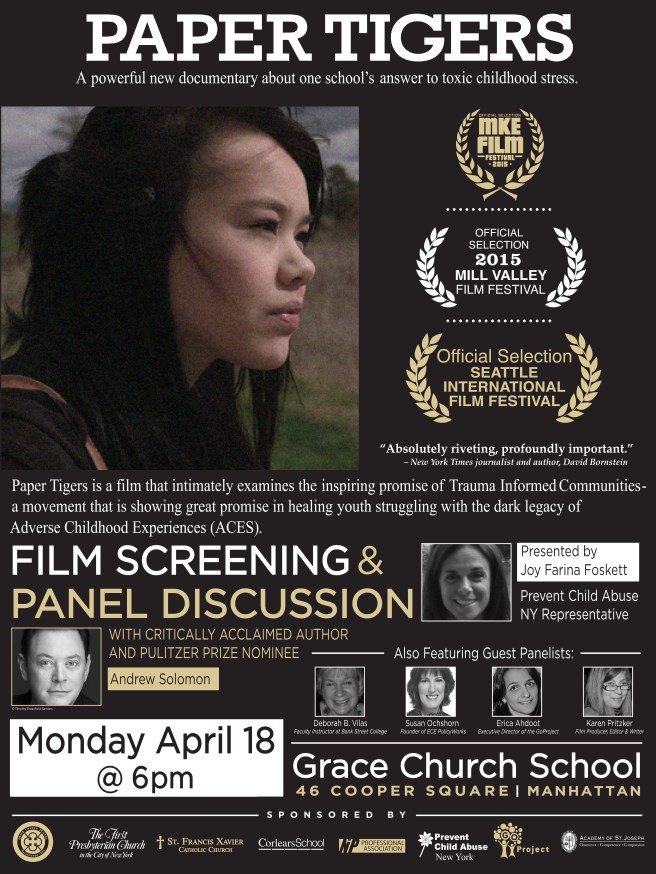
Paper Tigers

Print

What are paper tigers? Well, they refer to a byproduct of trauma. When kids grow up in environments where toxic stress is an everyday occurrence, their brains wire to keep them in a constant state of fight or flight. They are perpetually on edge, vigilant in assessing their surroundings for dangers, real or imagined. The imagined dangers are paper tigers, not real but emanating from traumatic experiences and just as threatening as a raised fist or an unwanted touch.

The documentary Paper Tigers depicts a school in Walla Walla Washington where teachers and leaders have found a new way to reach and teach kids who see paper tigers around every corner. Instead of responding to acting out teens with punishing discipline, they seek to understand the adverse childhood experiences or ACEs that effect their students and get in the way of their learning.

More than two decades ago, two respected researchers, clinical physician Dr. Vincent Felitti and CDC epidemiologist Robert Anda, published the game-changing Adverse Childhood Experiences Study. It revealed a troubling but irrefutable phenomenon: the more traumatic experiences the respondents had as children (such as physical and emotional abuse and neglect), the more likely they were to develop health problems later in life—problems such as cancer, heart disease, and high blood pressure. To complicate matters, there was also a troubling correlation between adverse childhood experiences and prevalence of drug and alcohol abuse, unprotected sex, and poor diet. Combined, the results of the study painted a staggering portrait of the price our children are paying for growing up in unsafe environments, all the while adding fuel to the fire of some of society’s greatest challenges.    (http://kpjrfilms.co/paper-tigers/about-the-film/)

Adverse Childhood Experiences include eight experiences that impact future health and longevity of children. They fall into three categories: Abuse, Neglect and Household Dysfunction. The eight ACEs are physical, emotional or sexual abuse, physical or emotional neglect, and whether mental illness, the incarceration of a relative, domestic violence, substance abuse or divorce are present in the home environment. The more ACEs present, the worse the outcome.

That’s the bad news.

The good news is that something can be done. Trauma informed therapy and emotionally responsive teaching are two interventions that can buld resiliency in children facing traumatic stress.

Last night I had the pleasure of sitting on a panel made up of policy makers and practitioners  who work tirelessly to address the inequities that perpetuate toxic environments for large numbers of our country’s children. The US rates number two in developed countries for  how many children live in poverty, second only to Romania. In my eyes that is nothing short of a crime. Poverty is the single highest variable coralated with ACEs.

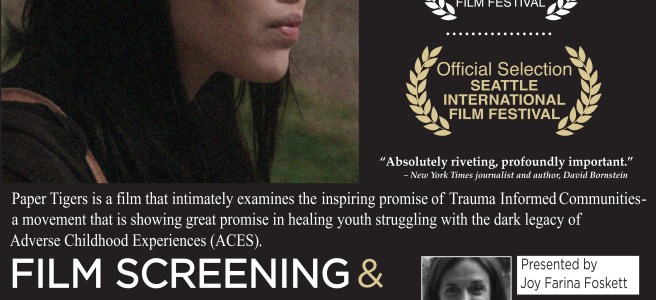
We screened the movie for a standing room only audience at the Grace Church School in Cooper Square in lower Manhattan. Moderator Andrew Solomon, the Pulitzer Prize finalist and author of Far From the Tree: Parents, Children, and the Search for Identity, led us in a lively discussion of the film, fielding questions from an audience of parents, teachers and community leaders.The event was sponsored by many schools and community organizations, including The First Presbyterian Church, Go Project, St. Francis Xavier Catholic Church, NIP Professional Association, Academy of St. Joseph, Prevent Child Abuse New York and the Corlears School. The room was filled with caring citizens who want to see change. Teachers spoke about their own trauma in working with troubled children in broken schools with no resources or administrative support.

Joy Farina Foskett, the organizer of this important event, reminded us all that ACEs cross all socioeconomic boundaries and exist in every culture. Some of the panelists themselves spoke to the ACE of divorce in their own families. We listed some valuable resources in the program: community organizations, websites and books. Included in the list are “Divorce is the Worst” and “Death is Stupid”, two great books by Anastasia Higginbotham, that help adults open up important conversations with children who may suffer alone through painful ACEs. Kathleen McCue’s “How to help Children Through a Parent’s serious Illness” is another great resource to assist parents and teachers.

Trauma informed, emotionally responsive teaching seems like a no brainer. It doesn’t cost more money, and it prevents costly medical care, incarceration and strengthens our country’s most valuable asset, our children. If it worked with teens who’d already been labeled as unreachable and no good, how much more could it do within early childhood settings? In Early Intervention?

We were all left with one question on our minds. Why isn’t every school in the country following in the footsteps of Lincoln Alternative High School? What are we waiting for?

imgres