A Bull in A China Shop in Japan

maxresdefault

My travels have opened my eyes and heart to other cultures. But sometimes it is a steep learning curve to communicate and function in a foreign land. As I journeyed to 4 Japanese cities in 12 days on teaching business, I felt way out of my element and clumsy in my efforts to behave appropriately in a vastly different environment. The image of a bull in a china shop kept flitting before my eyes every time I did something that felt dissonant and out of place. Thank goodness for the goodwill and generosity of my hosts.

Here are some of the many bloopers I made.

To begin with, everything is small, precise and beautiful in Japan. The people are orderly, fashionable, demure, and unendingly polite. Citizens stand in perfect lines, one behind the other, on train platforms. They speak quietly, if at all, in public places like elevators, restaurants and on trains. Children are quiet and obedient. The mere act of conversing with my travel companion, Marifer, made me feel like I was shouting in a place of worship. Never mind the times when we actually did have to call out to one another when we found ourselves separated in a store or train station.

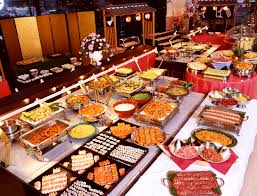
The food everywhere is exquisitely prepared. At my first breakfast at Hotel Associa in Shizuoka, I was overwhelmed by the many dishes and the artful presentation of the bounty. I promptly whacked one of the dishes with my purse, sending a pair of tiny serving tongs flying. When I turned to retrieve them, I stepped on them and mangled them beyond repair. Oh no.imgres-4
According to my guide book on Japanese culture, being punctual is highly valued and expected. In my everyday life, I pride myself on arriving on time to all appointments. But, on my first day of teaching at Shizuoka University, I inadvertently took a taxi to the wrong campus, causing me to be twenty minutes late for my first day of school. When I arrived, the University President, Dean and several lead administrators were waiting for me outside the entrance in the 95 degree heat. Oh no. Continue reading
Traveler’s Prayer

imgres-4

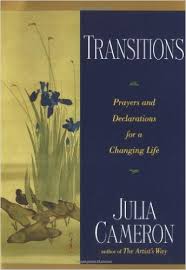
I don’t believe in coincidence. I do believe in synchronicity. Less than 24 hours before I leave for a teaching trip to three cities in Japan, I open my book of daily inspirational reading Julia Cameron’s Transitions: Prayers and Declarations for a Changing Life to this passage:

“My Lifetime listens to yours”   Muriel Rukeyser

“The world is peopled by travelers each with a journey. As we make our way through our own obstacles, we are often oblivious to those who travel by our side. And yet when we open our hearts to the adventures and adversities of others, our own journey is illuminated. Those who travel beside me are my teachers and those I teach in turn.

Today, I turn my attention to the lives of others. I open to the interactive dance of our intersecting lives. Alert and attentive, I learn from those around me. Empathetic and involved, I teach what I have learned. Ours is a journey of shared hearts. I lift the lantern of camaraderie.”

And thank you Betsy for reminding me of the analogy of Johnny Appleseed. I look forward to seeing what wisdom I can gather as well as scatter.

Getting Older

image
Me and my godson, Joaquin July 2015

Tomorrow at 12:50 AM, I turn 54 years old. Many women do not want anyone to know their age. I remember turning forty and all the angst that led up to that day -such a waste of energy now looking back.  By fifty, I had wised up a bit and  celebrated my birthday by going skinny dipping  with friends. But now things are even more clear. When you have survived cancer, there is a crack in the door of egocentrism that can squeak open to reveal a great deal of light — if you allow it in. I now celebrate my aging with gusto, even if that means a slowing metabolism, greying hair, hot flashes, and an ache here and there (and here and there and here and there!!!).

I am so profoundly thankful for every day of health, for the joy of spending time in the company of really good people, and for my adventures, of which there are many. I am glad that I am here on earth enjoying these things, even when I get tripped up by a modicum of anxiety and fear, probably on a daily basis.

A writing coach is assisting me with the immense task of authoring a book. As I stumble about trying to figure out what the focus should be, what to leave in and what to take out, she says, “Your account of your cancer treatment is too cheerful. I want to hear more about your pain, what you endured.” Continue reading

Free New Child Life Tool for Bettering Hospital Playrooms

imgres

I am thrilled to announce the release of a new tool for your child life toolkit. It is an assessment form to help you make your playroom the best it can be. There is a dream playroom in all of our imaginations. Time, space, budget constraints and infection control guidelines aside, we all know what we would provide children and families if we were able to do so. The  VIPAR (Vilas Playroom Assessment Rubric) is intended to present the best possible scenario, and to measure how your playroom is meeting the needs of all pediatric patients and families at your hospital. Child life specialists and administrators can use this rubric as a quality checklist to assess playroom design and operation.

This rubric is several years in the making and has been test driven by many Bank Street College alumni. They kindly tried it out in their playrooms and gave me feedback to improve the document, making it as accessible and flexible as possible.

Tara Horan reports that the rubric gave her staff  “feelings of empowerment to make positive changes.”

Kelsey Frawley shared, “Another AHA moment was the cultural competency piece. I think as specialist’s we are taught to BE culturally competent, not judge, ask questions, be aware of differences, but incorporating it into a room is something I have not thought of. The developmental appropriate piece really stuck out, it is something we have struggled with as a site and recently have committed to revamping.”

Kate Shamzad states ‘In fact, it inspired us to order a wall mirror to be installed in the infant/toddler section of the hem/onc room.”

I owe them and others many thanks for their input. But the VIPAR is and should be a work in progress. So please give me feedback if you use it at debvilasconsult@gmail.com

It is pretty easy to use. Score each category based upon observation and investigation. Add together the 18 category scores to reach a total. Use the key at bottom of rubric to interpret total score.

It can be helpful to underline or highlight specific items to be improved within each category. Once a score is obtained, determine which improvements are within your department’s ability to improve. Set goals and deadlines for improvement. This rubric is not intended to make you feel that your playroom is substandard in any way. The hope is that it will guide you towards making some small or significant changes that will improve the quality of play available in your hospital.

Click below link to access and download the pdf.

VIPAR Vilas Playroom Assessment Rubric

Deconstructing Walls

IMG_4263IMG_3999

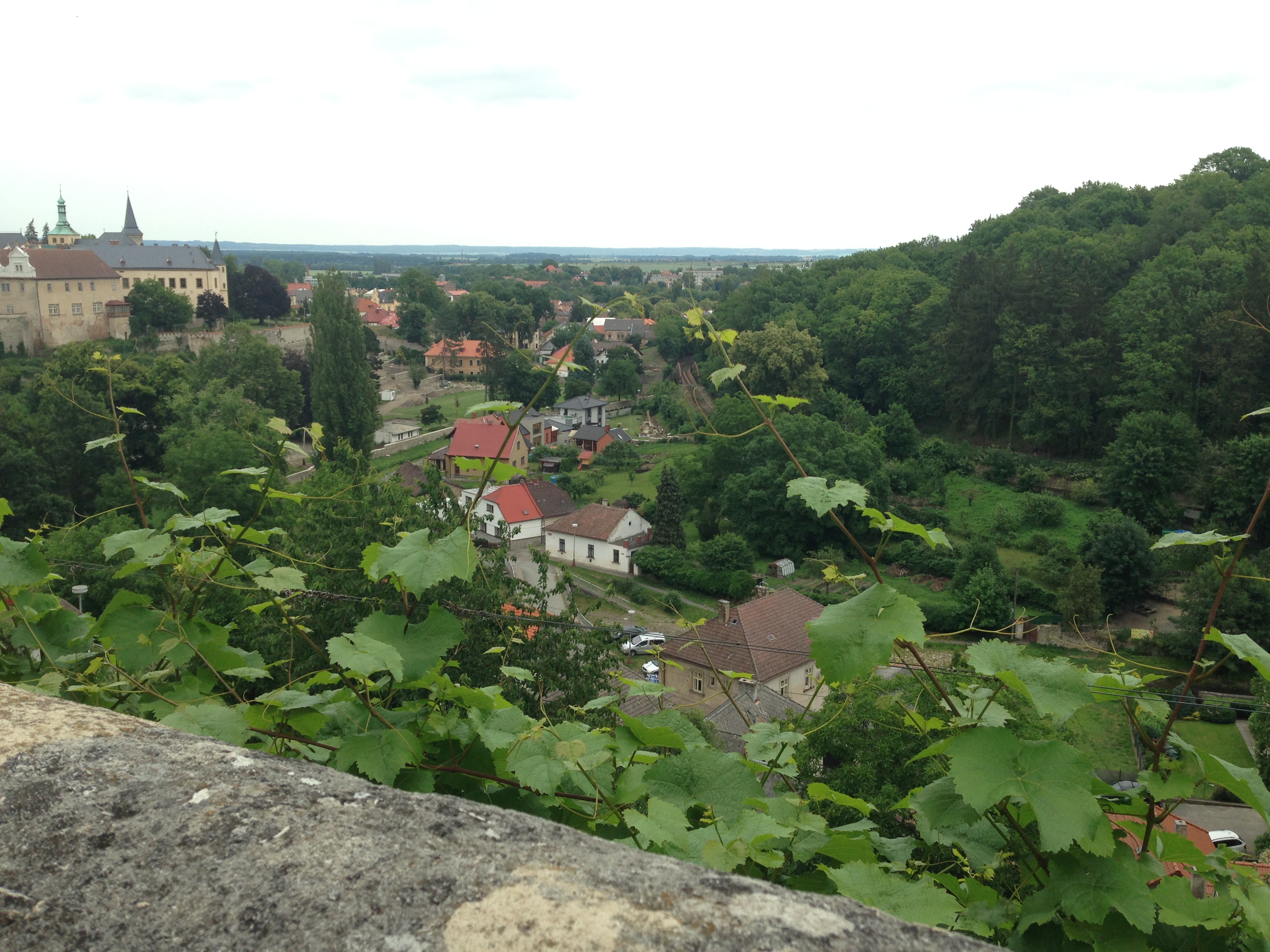
Earlier this week, I blogged about teaching play techniques to students and professionals in the Czech Republic. I find myself still processing everything I saw and heard while in this beautiful country, and I am reluctant to leave it all behind, even as I prepare for my next journey abroad which is rapidly approaching in a few weeks.

“What one thing really stuck with you?” a friend asked me yesterday. It was hard to pick one thing, as so much is still reverberating. And the words to describe what I experienced are flitting just out of reach somewhere in my jet lagged brain.

IMG_4070
Czech countryside

I keep coming back to our three-hour road trip to the nursing school in Nový Jičin. Jiri is driving, and I ride shot-gun, the windshield framing the Czech countryside that slips by us, leaving swaths of  wild poppies, rich green pastures and elven forests and  in our wake. But it’s not the view that resonates with me. Continue reading

Teaching Playwork in the Czech Republic

Processed with VSCOcam with c1 preset

imgres-1 imgres-1       imgres-1    imgres-1

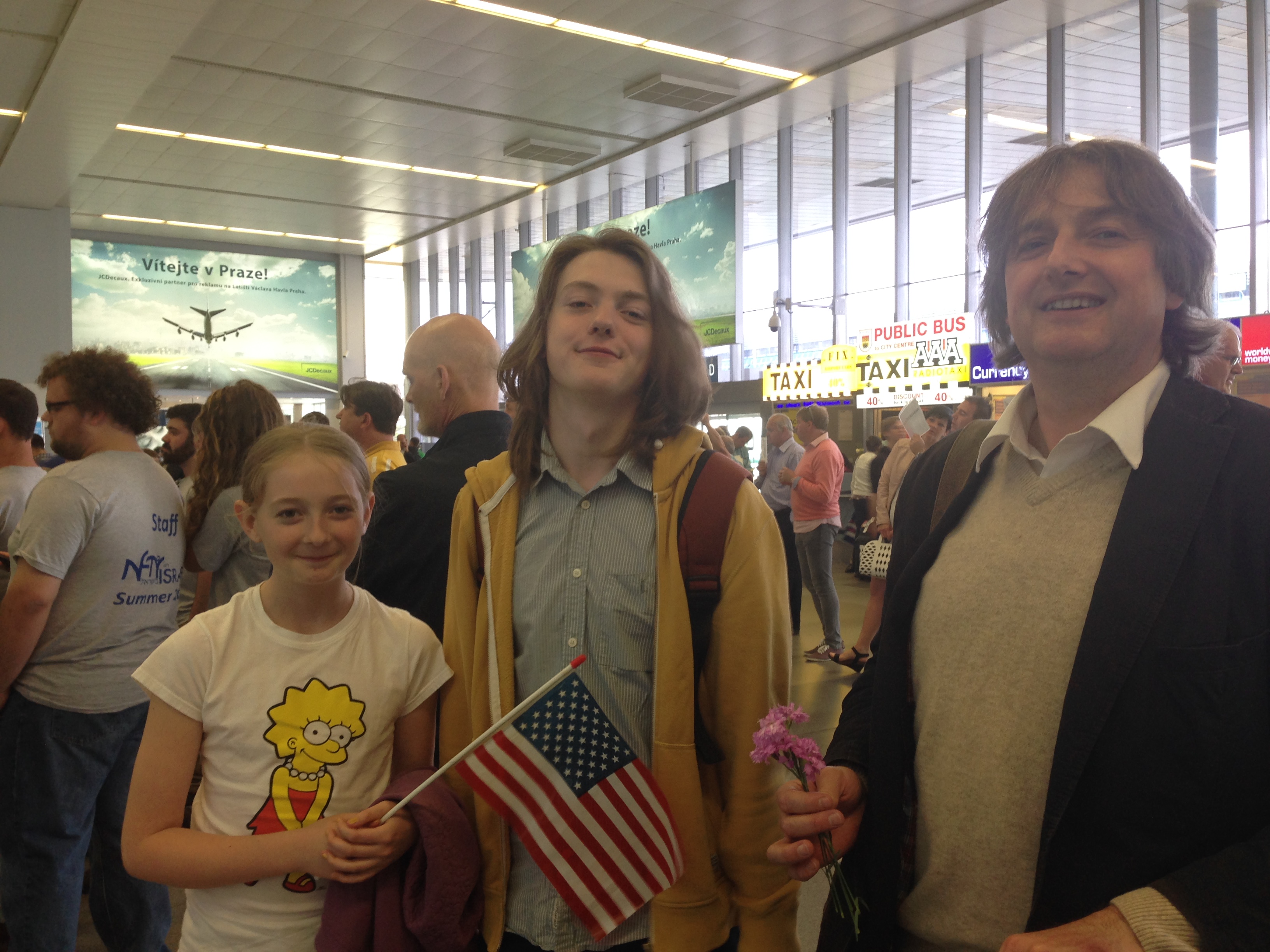
I could not have asked for a more thoughtful welcome to the Czech Republic. Disembarking the plane in Prague after my overnight journey,  I was greeted by the Královec family bearing an American flag and sweet smelling purple flowers from their garden in Malejovice.IMG_3975

Jiri and Markéta Královec, the founders and directors of the Kliček Foundation, generously sponsored my visit to teach play techniques to hospital workers at several locations in their lovely country. I had the honor of teaching one seminar at Charles University in Prague. Founded in 1348, it is the oldest and largest university in the Czech Republic and Central Europe. I was also welcomed at the Mendelova nursing school in Nový Jičin. My students ranged from a mixed group of working hospital play specialists, nurses, teachers and social workers at the university, to young students at the nursing school (our equivalent of high school students). All of the students were bright and enthusiastic learners.

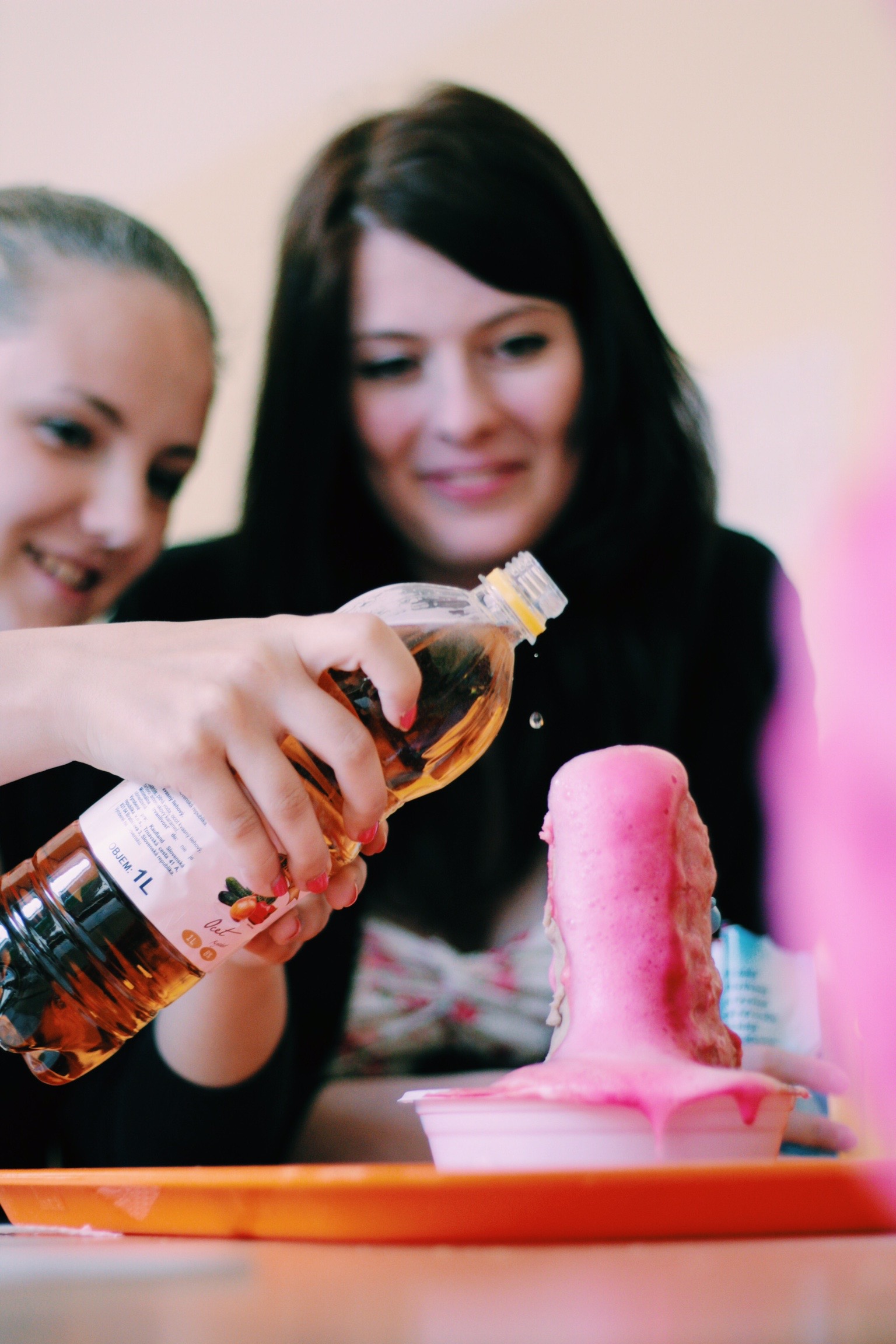
Work felt like play as we all rolled up our sleeves for some interactive lessons. I demonstrated loose parts work as well as activities to share with angry or withdrawn children, such as making volcanos and oobleck, as well as toilet paper targets. Continue reading

Loose Parts Play in the UK

imgres   11147078_10152693849825776_8185495936749210562_n   imgres

Cath Hubbuck is a Registered Hospital Play Specialist in the UK. She authored Play for Sick Children — Play Specialists in Hospitals and Beyond in 2009. After 9 years in the field, she is currently a stay-at-home mother to four small children. She keeps up her skills volunteering on the pediatric neurology ward of a large children’s hospital. Cath attended a conference presentation of mine two years ago, and has been an avid fan of loose parts since then. When she recently shared some photos of a loose parts intervention on FaceBook, I encouraged her to share the backstory of the photos. Here it is in her own words.

“On one Monday morning, I visited Christopher, a seven year old boy who was due to be inpatient for five days throughout which he would be the subject of a Video EEG (VEEG). This required him to be wired up to epilepsy monitoring equipment for 24 hours a day, via a continuous video recording (and hopefully documenting an epileptic absence or seizure) and approximately 23 electrodes glued to his head, neck and chest.

I had only dropped in to find out what sort of activities he wanted at his bedside, but as I arrived he was having his last few electrodes attached and was beginning to wriggle a little. I stayed and just talked with him as the Neurophysiologist finished the job – an informal distraction, if you like – but then Christopher suddenly grabbed his much loved Rabbit and said “Rabbit needs some wires, too!” Continue reading

Target Practice Part II

imgres

… Reentering Steven’s room, I stopped at the sink to fill the bedpan with warm water, placing the filled bedpan on Steven’s rolling bedside table. The sheets and towels went on the floor against the wall opposite the foot of his bed. Steven’s eyes followed my every movement, showing curiosity and anticipation

So, here’s the deal.” I said. “Lots of kids have stuff happen in the hospital that they find upsetting or scary. Sometimes it helps to get these feelings out in a physical way. I am setting up a target game, where you will get to throw wet toilet paper at what is upsetting you until it is completely destroyed. The question for you now is, do you want to destroy the drawing of your hand, or is there some other thing you could draw that you’d like to obliterate?”

Steven picked up a marker, so I brought over the big piece of chart paper. He got right down to work, drawing a huge needle that took up the entire sheet of paper.

“Oh,” I said. “That looks like the needle that might have to go in your hand.”

He nodded. When he finished, I took it from him and taped it on the wall opposite his bed.

“Now for the demonstration,” I said, reaching for the roll of toilet paper. “See, you take as much as you can to make a nice, big wad.” Continue reading

Target Practice Part I

imgres

As a child life specialist, I’ve seen countless examples of play transforming a child’s mood in the hospital environment. I remember well the day when Steven lay curled in a ball beneath the covers in his hospital bed, his caffe latte bald head hiding beneath the sheets. He had not showed up in the playroom that afternoon, which was unusual. This was one of those kids who waited eagerly outside the door each day for the playroom to open and was often the last to skate his IV pole back to his room at the end of the day. I had yet to see Steven without a smile on his round, open face. He was a content child with a quiet maturity that went well beyond his seven years. He took his medical treatment in stride and enjoyed the company of his brother and sisters, as well as just about every activity the playroom had to offer.

But not this day. It was mid-afternoon and we had yet to see a glimpse of Steven. His mother stopped by and informed me that Steven had an infection in his Broviak catheter and that it would have to be surgically removed.

images Continue reading

Caring in Cameroon

search    10443980_1029035760443758_744098783317545831_n     search

When we observe anything in this world, our perspective is tightly interconnected with our cultural context. As we grow from the egocentrism of childhood to a more expansive view as adults, we may see that not everyone comes from our circumstances, shares our belief system or our way of doing things. At the age of 52, I was a late bloomer in my foray into other cultures. But travel to New Zealand and the Palestinian Territories in 2014, and speaking at the first International Summit on Pediatric Psychosocial Services began a process that continues today. I have learned that “Child Life” has many names and forms across the globe.

As I cast a wide net with my blog, trying to see how I can do the most good, it occurred to me that I could use it as a platform for getting out the good word about what people are doing in other countries to make life better for children in and out of hospitals. So every so often, I will choose a country and share the story of a colleague who is holding the torch of kindness to dispel the darkness of fear and pain for sick children.

My first spotlight is on Macdonald Doh, my honorary son and a head nurse in the Emergency Department of the Yaounde Gynaeco-Obstetrics and Pediatric Hospital in Cameroon, Africa. I met him at the CLC Summit where he represented his country along with 45 delegates from all over the world.  In Cameroon, there is one doctor to every 10,000 people, as compared with 2.4 doctors per 1,000 in the USA. Continue reading