Driving the Camel: Installment #4

IMG_1221


Chapter 3: Secret Weapons

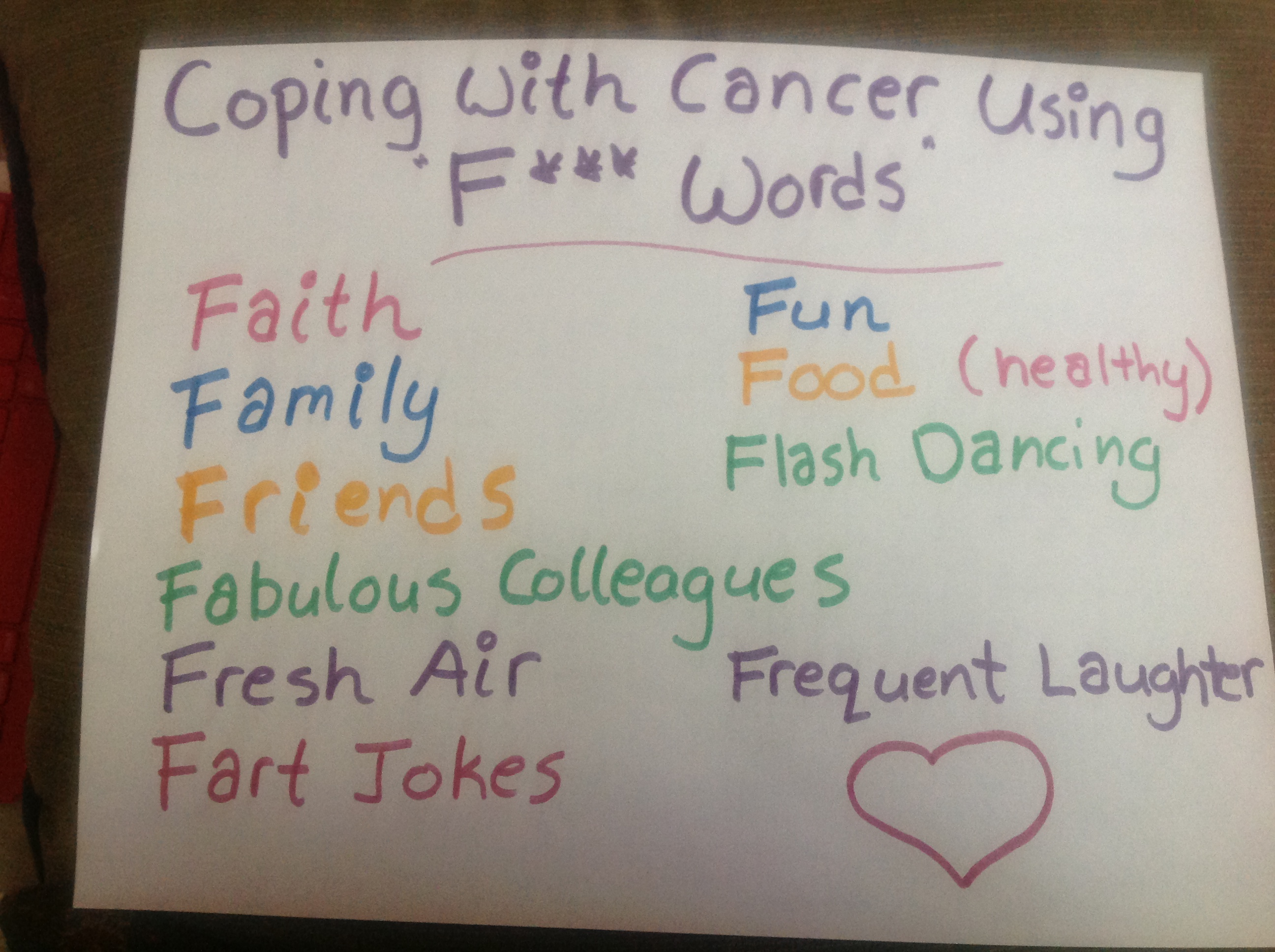
Not only did I have a year to focus on my treatment and recovery. I also had a secret weapon: Child Life. I learned from the chemo snafu never to go to a doctor’s appointment alone. When Mark or a close friend or family member couldn’t go with me, child life colleagues and past students took turns accompanying me to appointments and treatments, making a mini party out of each and every chemo session. They brought treats, read aloud to me from trashy magazines and made me laugh so loud once that the nurse came to close our door so we wouldn’t disturb the other patients. And that was just the beginning of a landslide of help and cheer.

Each person performed a simple task or favor that woven together, formed an army of support. From walking to my dog, to teaching my course, offering to design a tattoo to beautify my scars and performing Reiki on me, their generosity knew no bounds. The regional group of child life directors organized the drop off of a slew of coping and comfort items, queasy pops, distraction toys to use during IV’s and blood draws, journals, chocolate, gag gifts, warm socks, and cute hats.  

One friend’s actions were perhaps the most far reaching of all.  Sydney, with her non-stop energy and raucous laugh.  She blew me away when she organized Team Deb to walk in the American Cancer Society’s Breast Cancer Awareness walk, raising over $4,000 in my name. She sent every supporter a t-shirt that read “Team Deb”. Along with the shirt, everyone received a ridiculous Deb head on a tongue depressor, a disembodied photo of my smiling face. Those who couldn’t make the walk posted photos of themselves on Facebook wearing the shirt and holding the Deb head. Sydney showed up on the day of the walk with her whole family in tow. She jumped atop a park bench waving Deb head’s to help gather Team Deb amidst the throng of thousands. That sight is one I will cherish for years to come.

IMG_1031

I wasn’t the only one in my circle to face the cancer battle. My colleague, Annie, experienced a double whammy. Two weeks after I shared my bad news, her sister was diagnosed with stage III breast cancer and had to endure a double mastectomy and heavy-duty chemo. Annie brought us together and we became chemo buddies, cheering one another on throughout the process. When Annie showed her sisterly support by shaving her head, they invited me to the shaving ceremony via video chat. I was moved to tears watching their husbands reverently shaving the heads of their wives. I had to turn away from my computer camera for a moment so they wouldn’t see me cry.

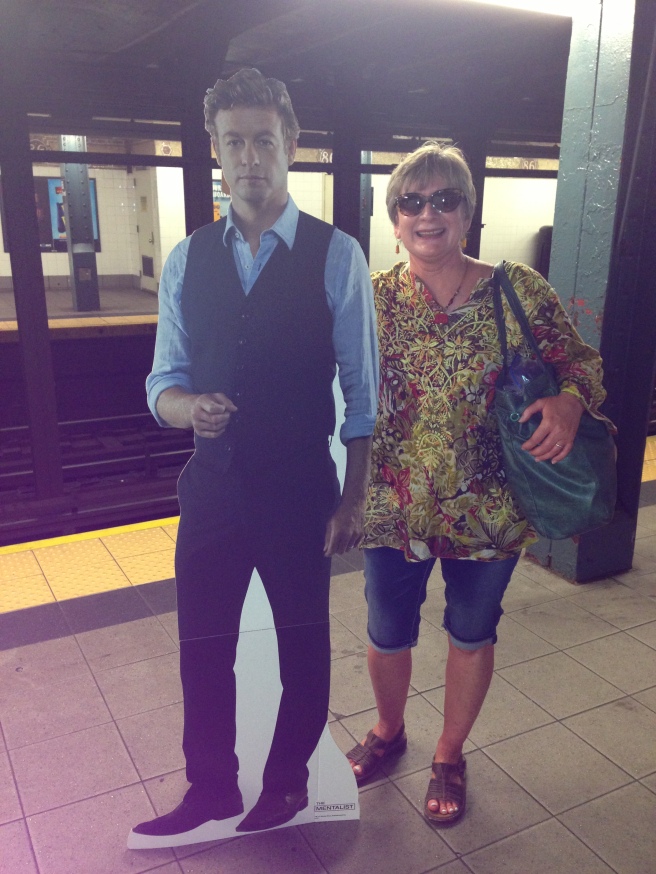
On my first day of chemo, I received a package in the mail: a life-sized cardboard replica of my favorite actor from Lori, a child life specialist and young mother in Colorado.  I piggybacked on that idea and sent Annie’s sister a life-sized replica of  Dwayne Johnson, or “The Rock”, his ring name as a professional wrestler and her favorite actor of all time. 
IMG_0905

Continue reading

Retraining my Brain

IMG_5114

I had surgery last week to repair a tendon in my right wrist, which happens to be my dominant hand. With my hand wrapped up like a giant cocoon, I am learning a few lessons quickly.

  1. There are many daily tasks that we perform without much attention or awareness.
  2. My non-dominant left hand is slow and clumsy.
  3. I cannot multitask as I did before.
  4. I am slowing down to a methodical plod with each task.
  5. I am compensating by using my left hand a lot.
  6. This may not be such a bad thing.

“The non-dominant hand is actually linked to the non-dominant hemisphere in your brain – the one that isn’t exercised as often. There are studies that show that when you use your dominant hand, one hemisphere of the brain is active. When you use the non-dominant hand, both hemispheres are activated, which may result in thinking differently and becoming more creative.”http://www.goodfinancialcents.com/benefits-of-using-your-opposite-hand-grow-brain-cells-while-brushing-your-teeth/

Continue reading

Reach for It!

imgres

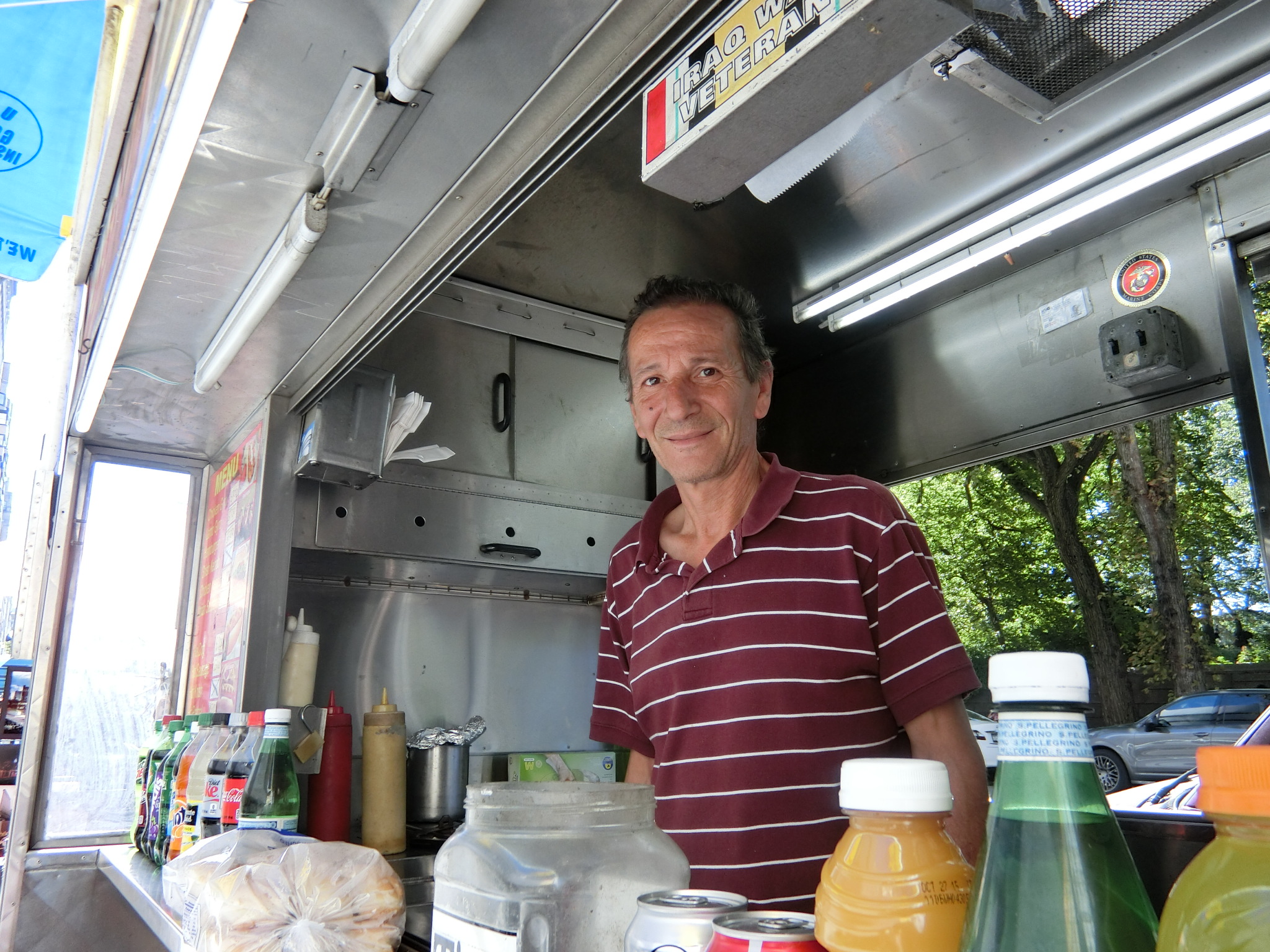
A community of street vendors lines the sidewalk around the corner from where I live. As I run the gauntlet of tourists and fellow New Yorkers, my yellow lab-pit mix lunges at an unsuspecting flock of pigeons. They burst into the air, settling a moment later. Gracie gives it another go, all but yelling “Hiyah!” as the birds flap around us.

One of the vendors calls out, “You just keep on going!”

I turn to him and smile. “Yeah, can you believe she’s 11 years old?”

“No, you,” he grins. “You’re like the energizer bunny, going and going.”

As Gracie pulls me on, I wonder. Why did he say that? I don’t know his name, but he knows something about me. At the end of my 1.6 mile walk around the reservoir, I return to his food cart.

“Hey, excuse me,“ I say. “Can I ask you a question?”

He turns from what he’s doing and steps closer to his cart window, looking down at me.

“Did you know that I’d been sick?” I ask him. “Is that why you said that before?”

He smiles kindly. “Yeah, I talked to the guy who walks your dog. I asked him about you.”

I let that sink in for a moment. I take another risk.

“You were sick a while back too, right? I noticed you’d lost weight, and then you weren’t around for a while.”

“I lost a kidney,” he replies. “But now I’m 100%.” He says this with a big smile, spreading his hands expansively to measure his improvement. “ What were you sick with?”

“Breast cancer,” I say, without hesitation. “Surgery, chemo, radiation, the whole shebang. Now I’m 100% too.”

I reach my hand into his cart. “I’m Debbie. Nice to meet you, neighbor.”

“Jimmy”, he says, shaking my hand.

I see this encounter as a reminder. I survived some pretty daunting medical treatment in 2013. But I had incredible support from some unexpected places. In addition to a community of colleagues and Bank Street College alumni who did everything from walking my dog to accompanying me to chemo appointments, I had my own secret weapon. I reached into my Child Life bag of tricks for coping mechanisms to help me through. I used play, humor, writing and videography to scaffold my journey.

IMG_0018

This week I face a much less frightening surgery, an outpatient procedure to mend a torn tendon in my right wrist. Until this morning, though, I have to admit I was feeling a bit sorry for myself and pretty anxious about being stuck left handed for the duration of my recovery.

But Jimmy’s witnessing was a reminder. It jumpstarted my awareness of the lessons learned during cancer treatment. I have all that I need. It’s all here. I can handle this. All I have to do is reach for it.

IMG_5083

Play the Japanese Way

IMG_4451

Trepidation was the word of the day as I prepared to teach play techniques in Japan. How would I  cope with teaching in eight hour increments to students and professionals whose primary language was Japanese?  How would the participants respond to me? I barely ever lecture at Bank Street College, but here it would be the expected modality of teaching. I worried for my students who would have to listen to my English first before Chika Matsudaira, my hosting professor,  translated everything I said.

But I should know by now that everything works out in the end. Here are some highlights from the four groups we taught, some new to the profession, others in it for years. They included students, hospital play specialists, nurses, nursing administrators, nursery nurses (early education professionals working in hospitals), occupational and physical therapists and one child life specialist. In the span of 5 days, we taught a total of 91 people. The photos and video footage below include scenes from all 4 classes.

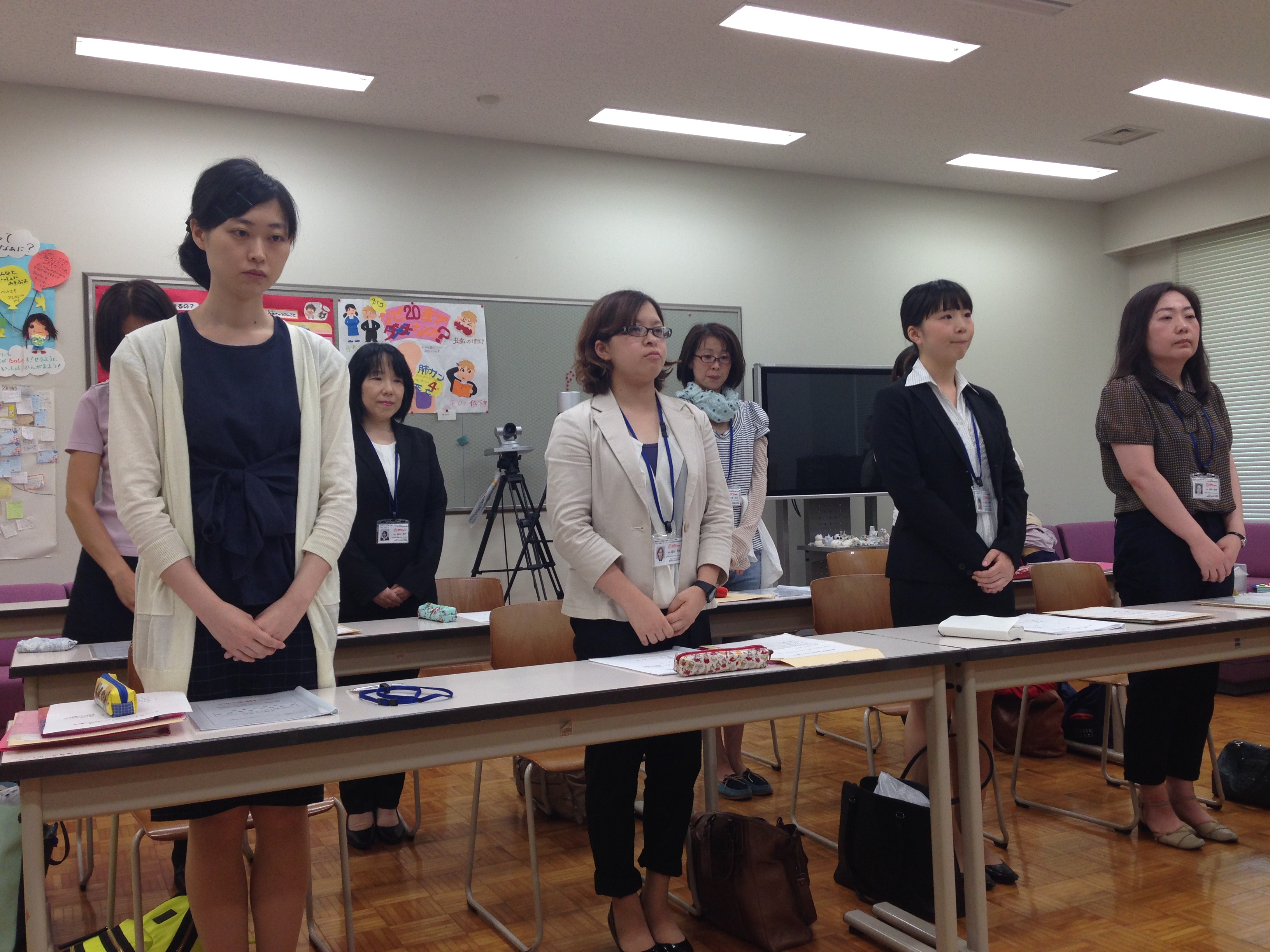
The first group in Shizuoka were new hospital play specialist (HPS) students who had travelled from all over the country, and the day began with a ceremony welcoming them to Shizuoka University. The university president and administrators attended, as did a local reporter. The students first appeared very serious and somber. Here is the before shot taken during the ceremony:

IMG_4449

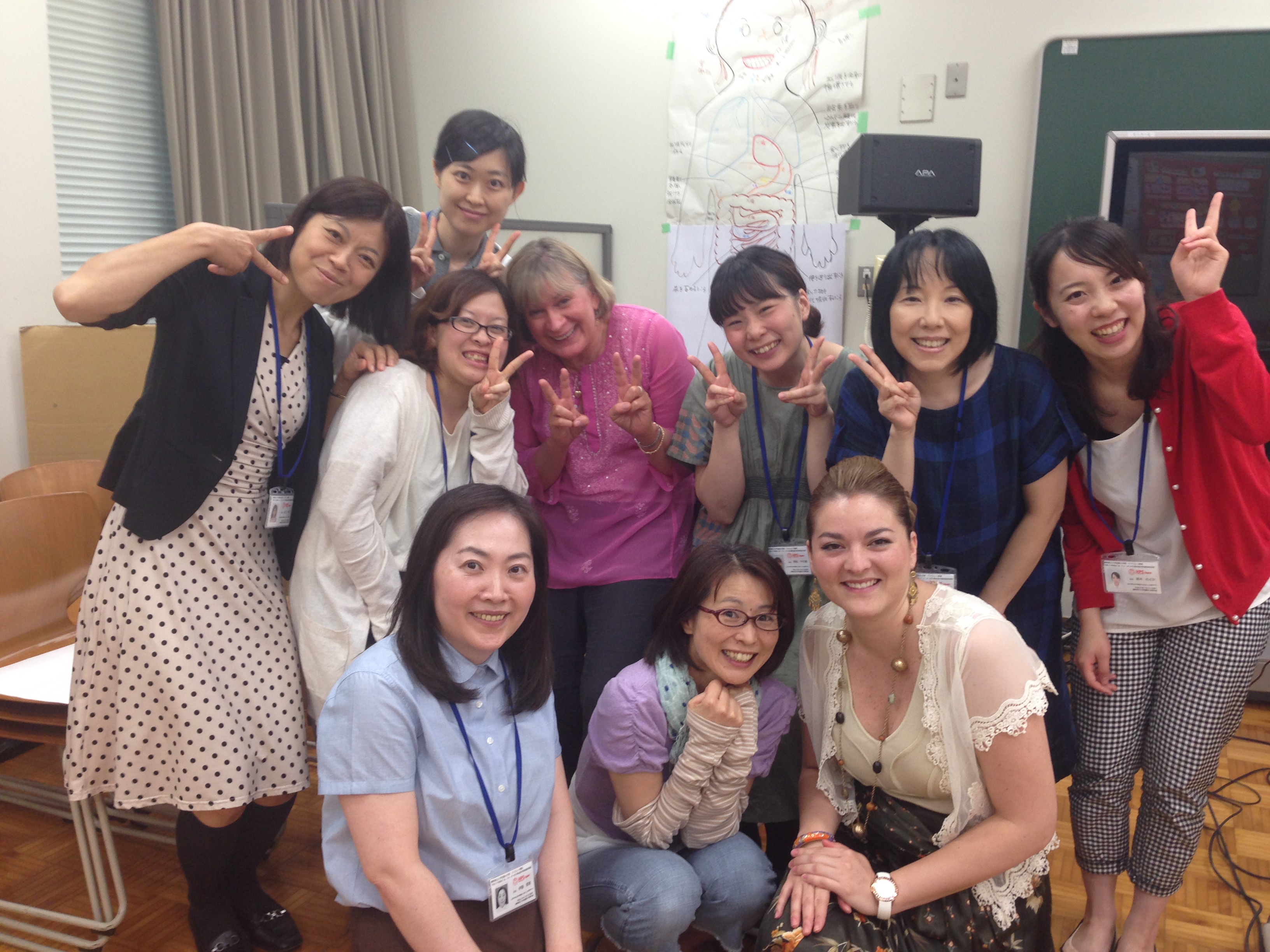
But we all warmed up to each other pretty quickly. Here we are at the end of the second day.

IMG_4549

Thanks to the reporter, an article featuring our class appeared in the next day’s Shizuoka paper.

CIMG0145

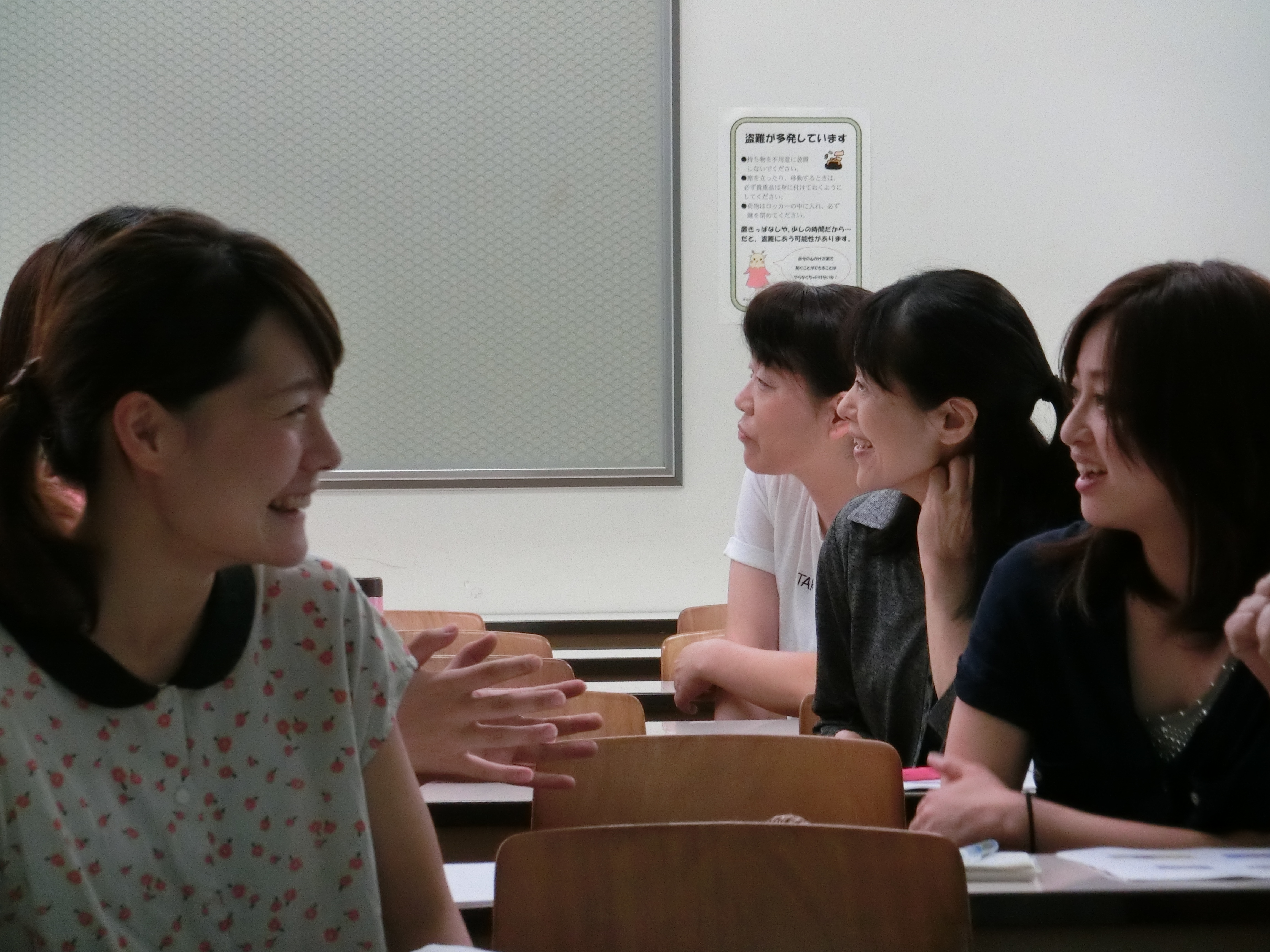
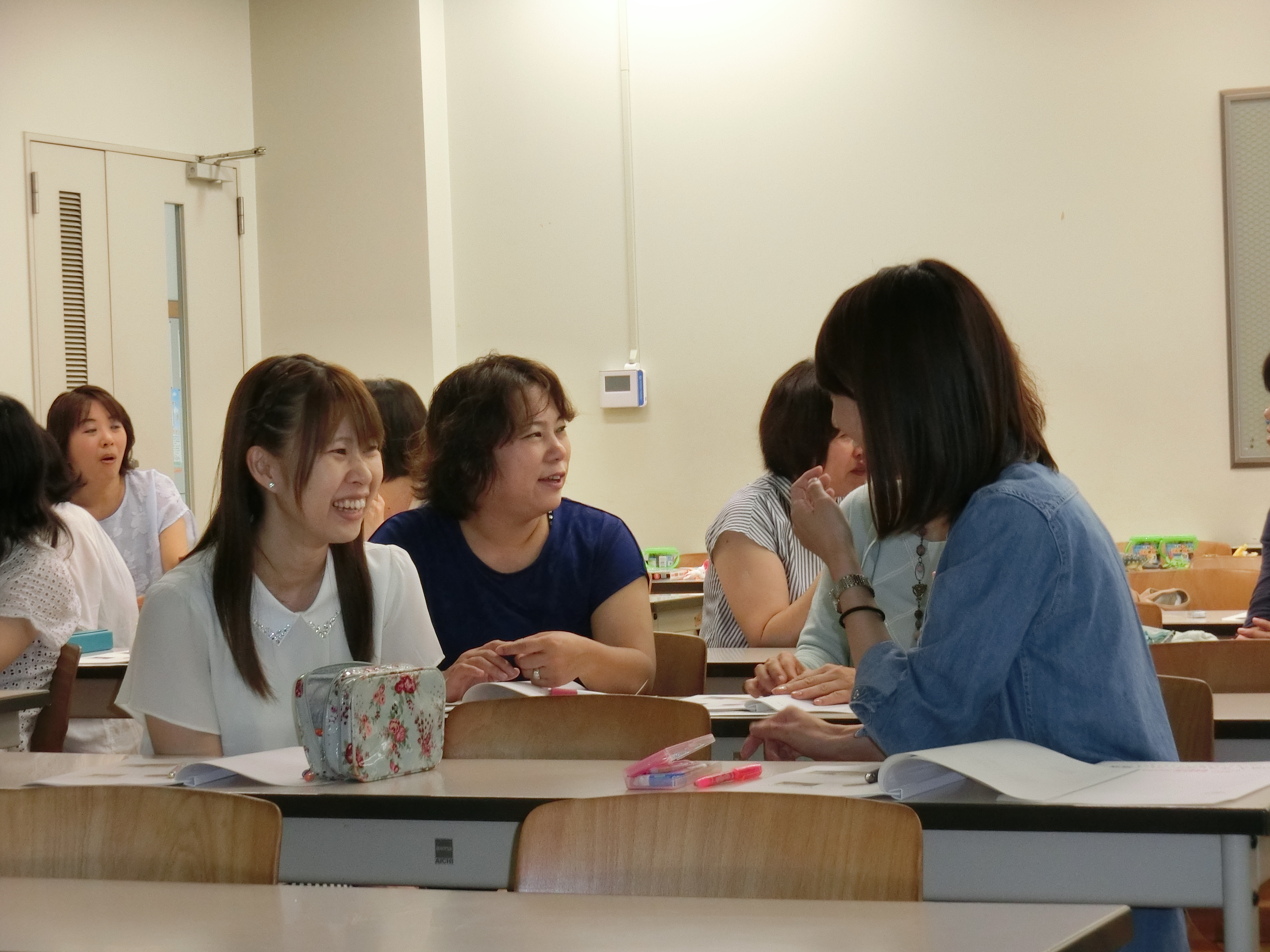
We began with my theory of a “Play Needs Continuum”. It describes 9 ways to deepen play opportunities for children in hospitals. Chika had translated my power point into Japanese.  When we spoke of raising awareness about the value of play, students paired off to share play memories from childhood.

CIMG0021 CIMG0020

When we addressed the use of self as a distraction tool to use during medical procedures, we all shared songs  and hand games from our cultures (click on bold green to see videos). Maria Busquetta from Mexico got everyone singing “Twinkle Twinkle Little Star” in Japanese, which impressed everyone very much. I taught them the invisible needle and thread trick.

When we needed to move our bodies to keep alert, Chika demonstrated “laughter therapy”. On most days, I started the day with the game “whoosh”, where the group passes an imaginary ball around a circle making sound effects as they go along. I had never tried this with more than 15 students, but it worked well even with the large group of 40 from Tokyo. Their improv skills with action and sound effects were great.

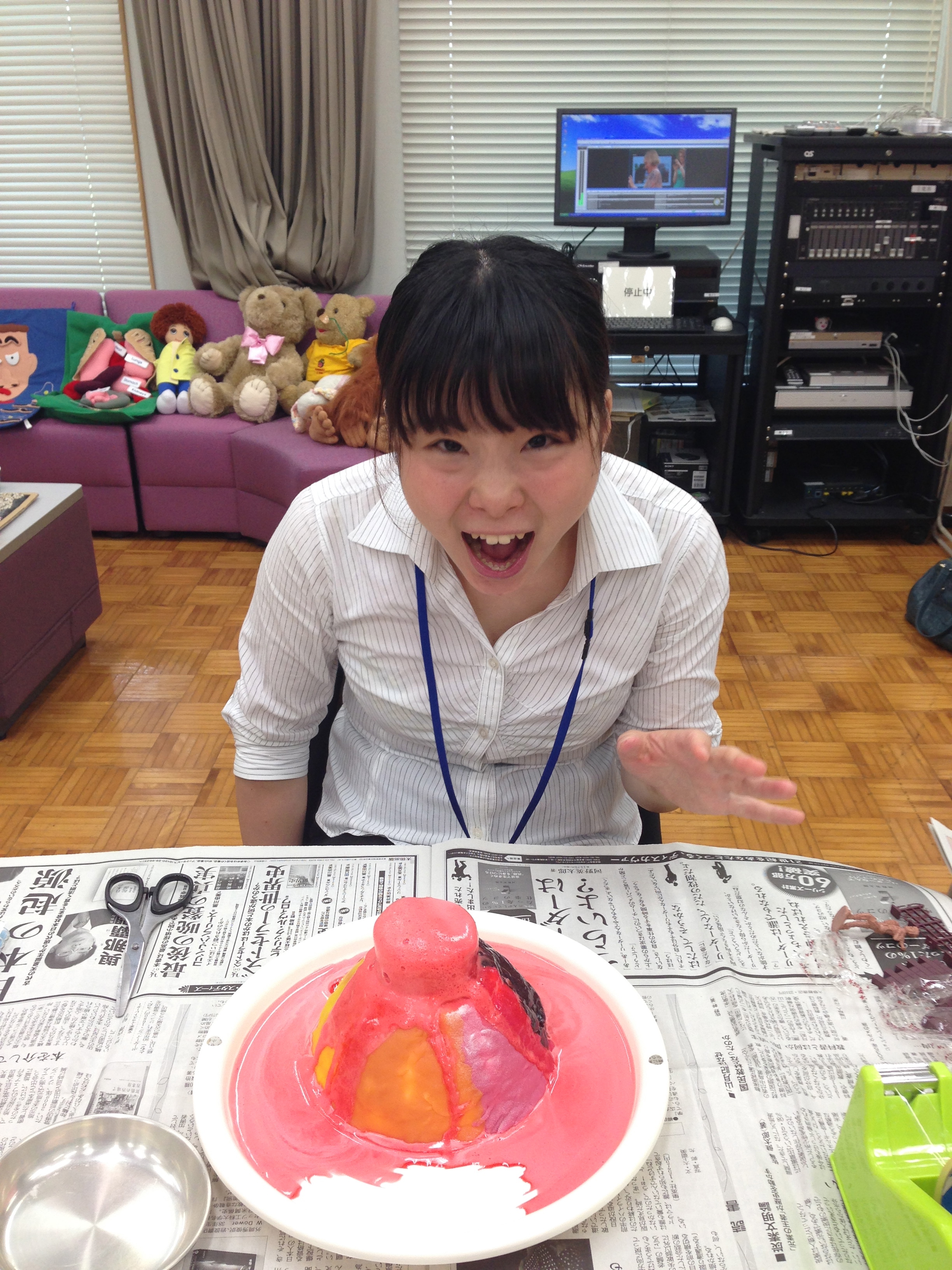
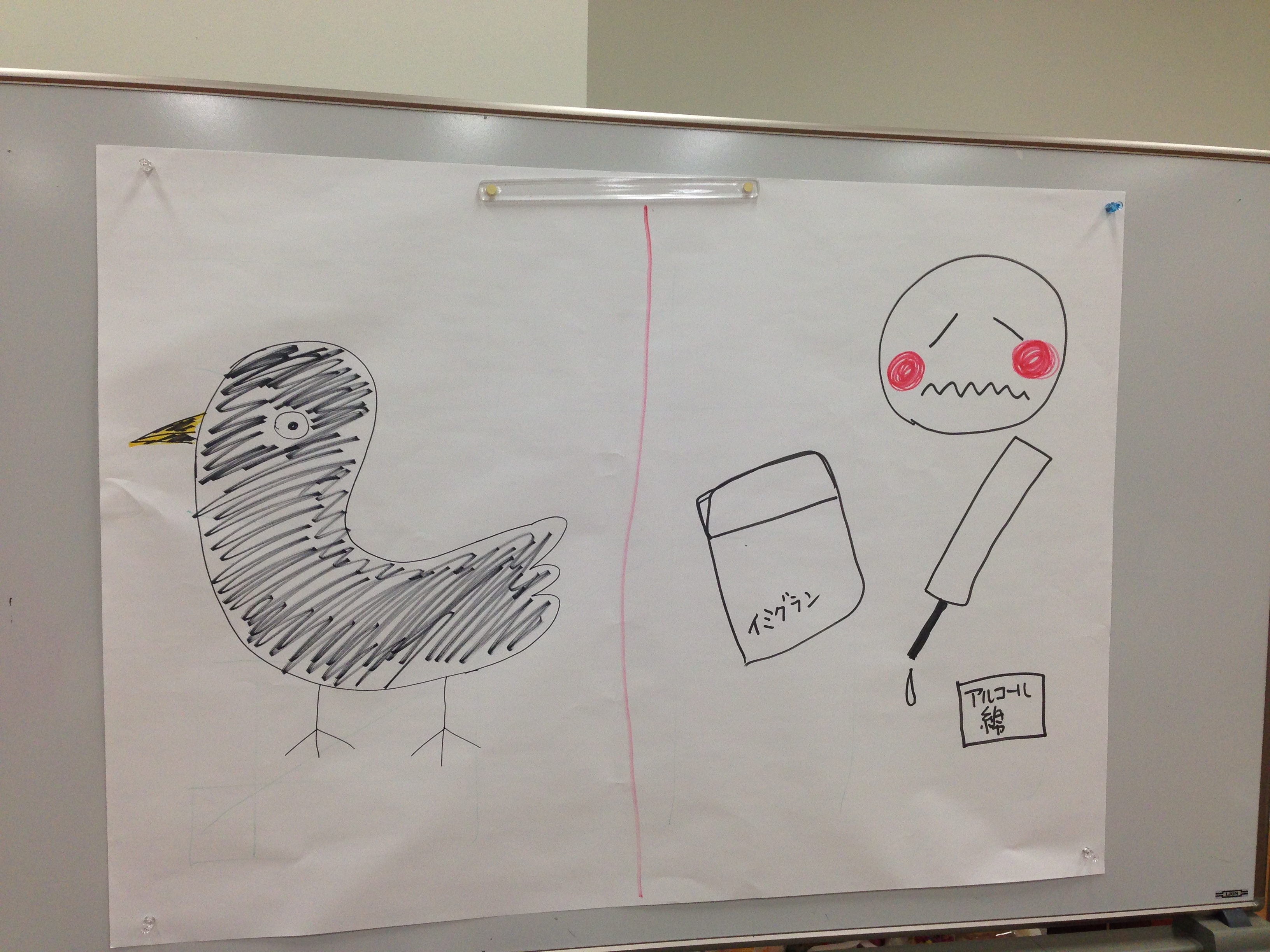
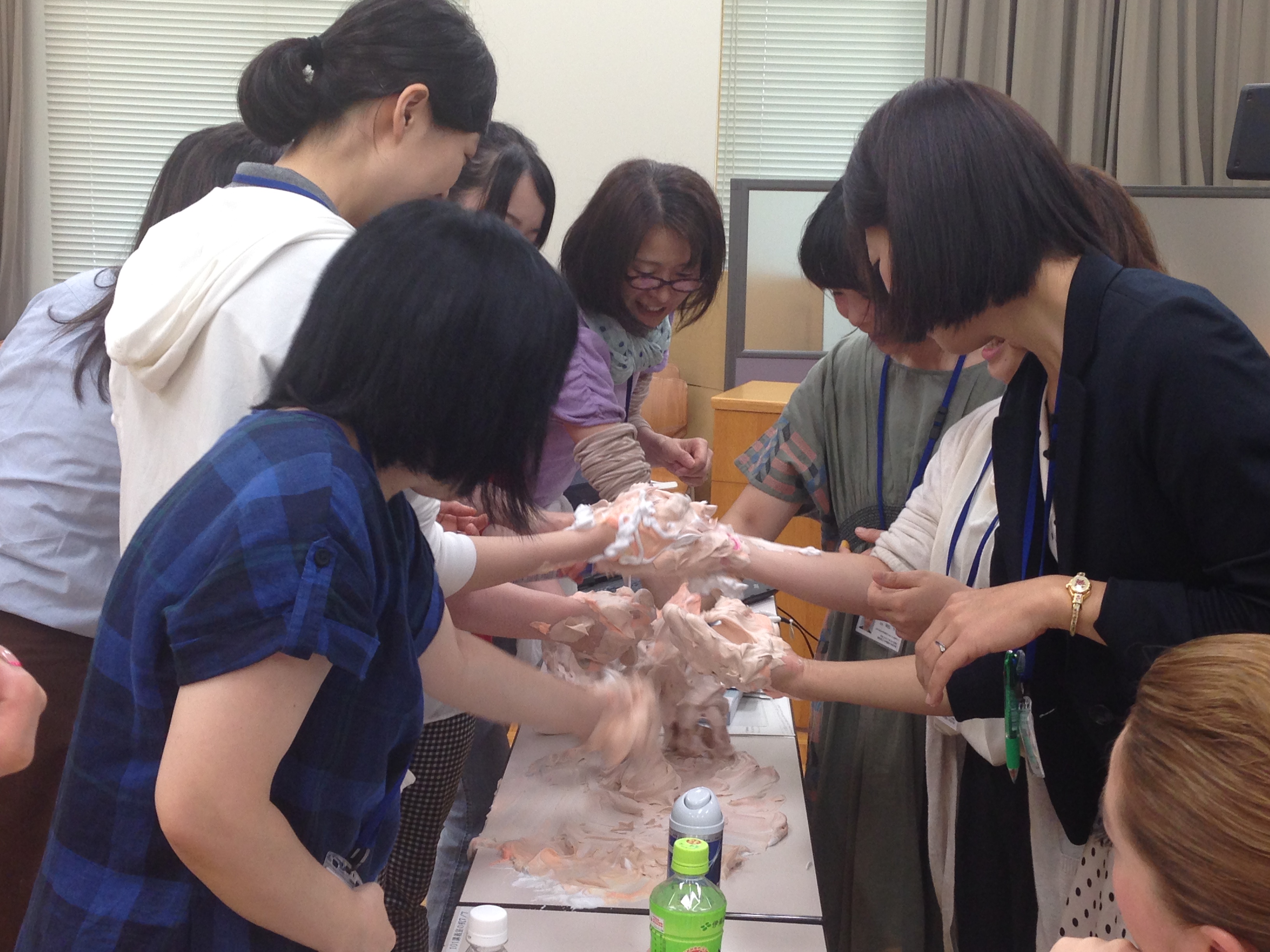
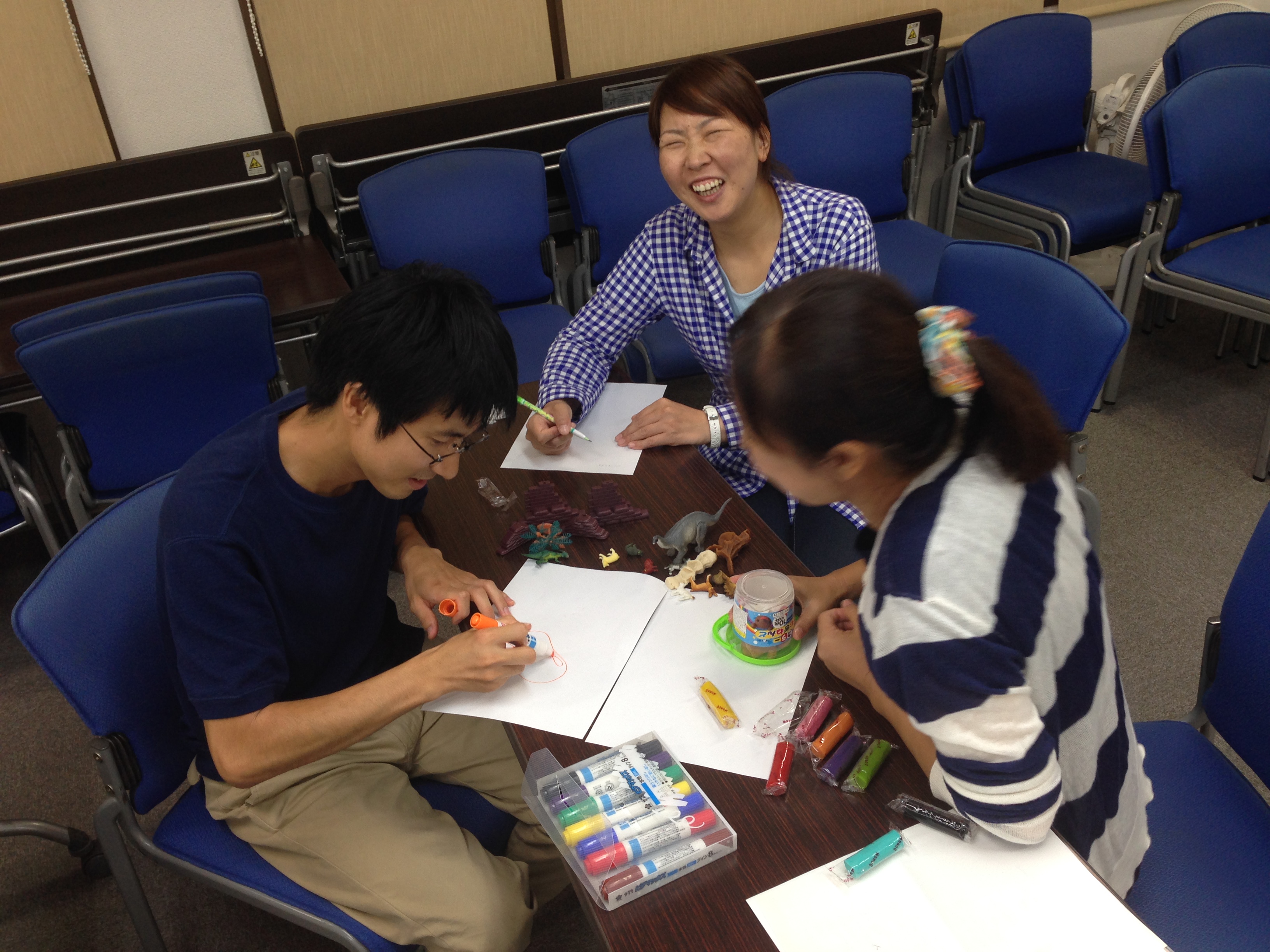
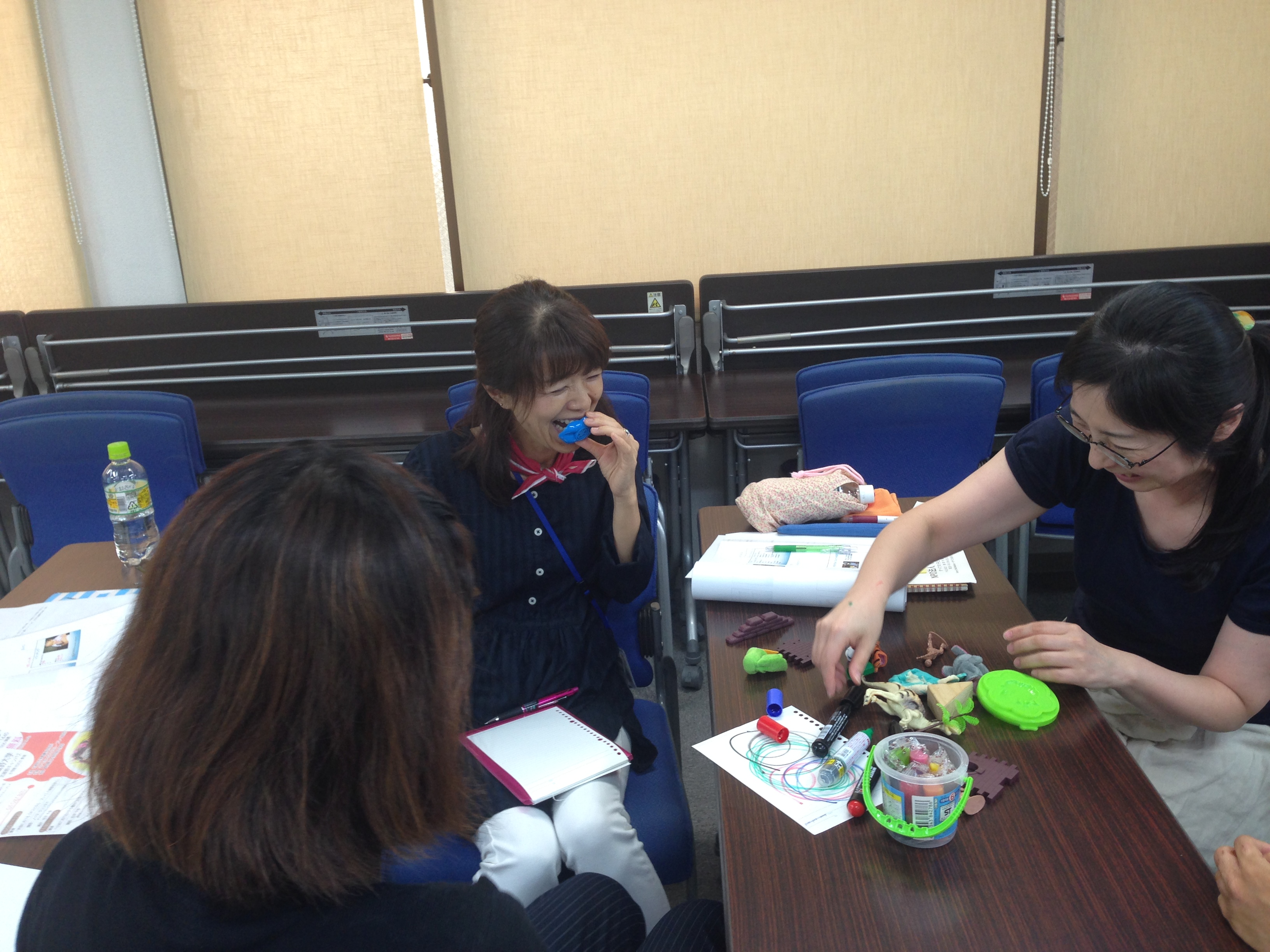
The students enjoyed making volcanoes (Kaduson, 1997), throwing wet toilet paper at a drawing of things which angered and frightened them (Kaduson, 1997), making oobleck and playing with shaving cream. Rolling up their sleeves to play helped them understand first hand the value of these techniques for hospitalized children.

IMG_4489

IMG_4495

IMG_4506

IMG_4522

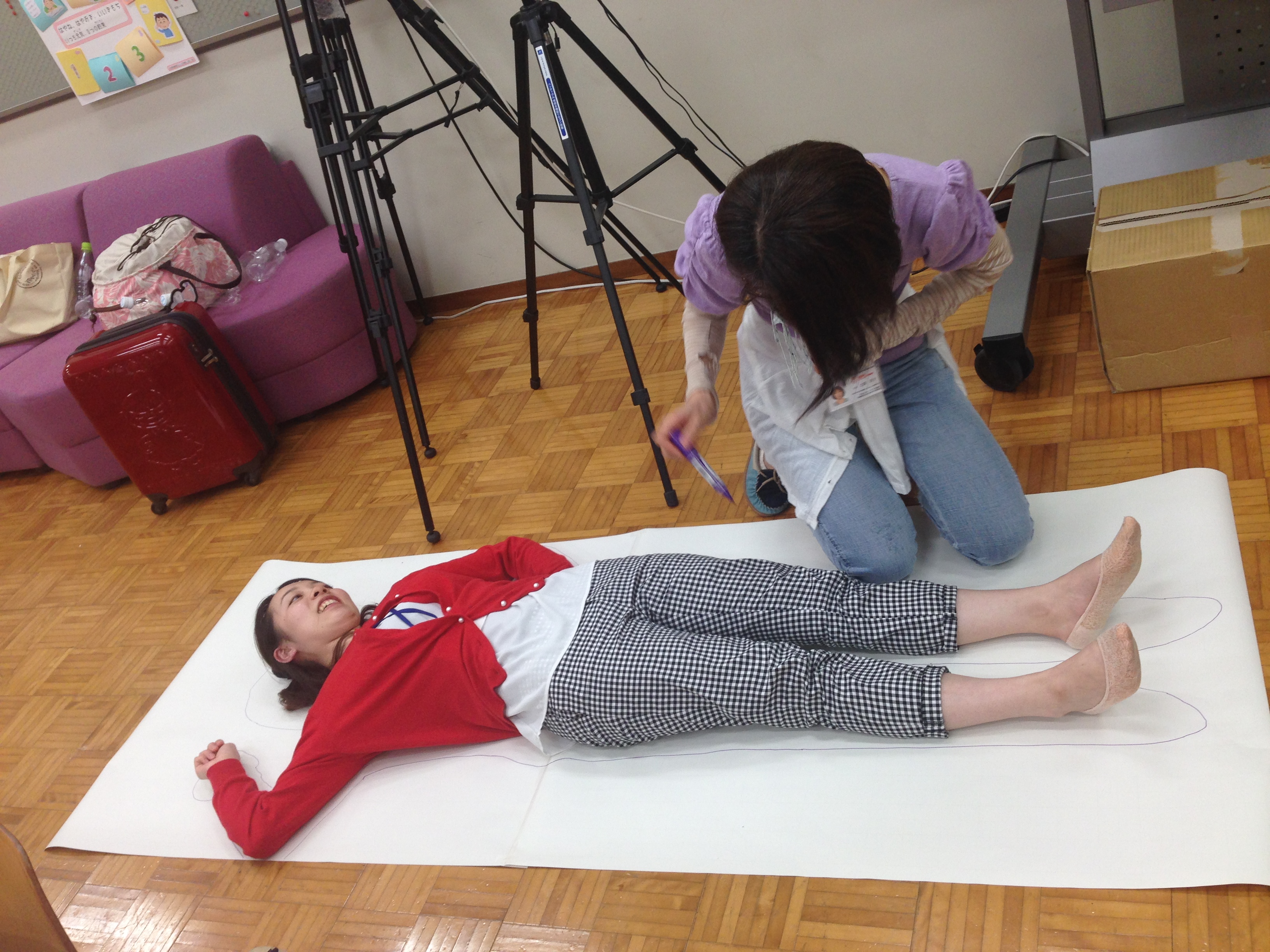
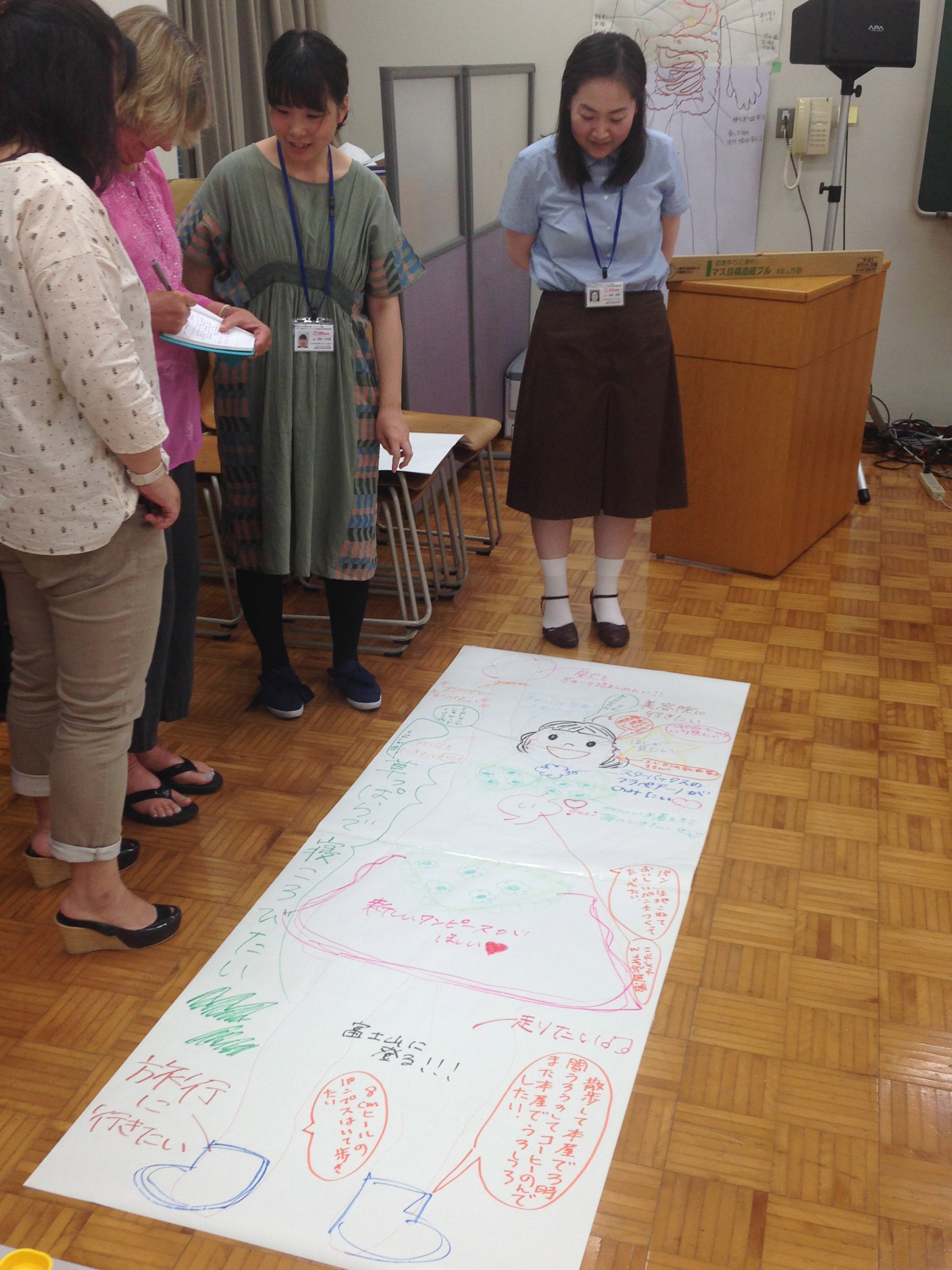
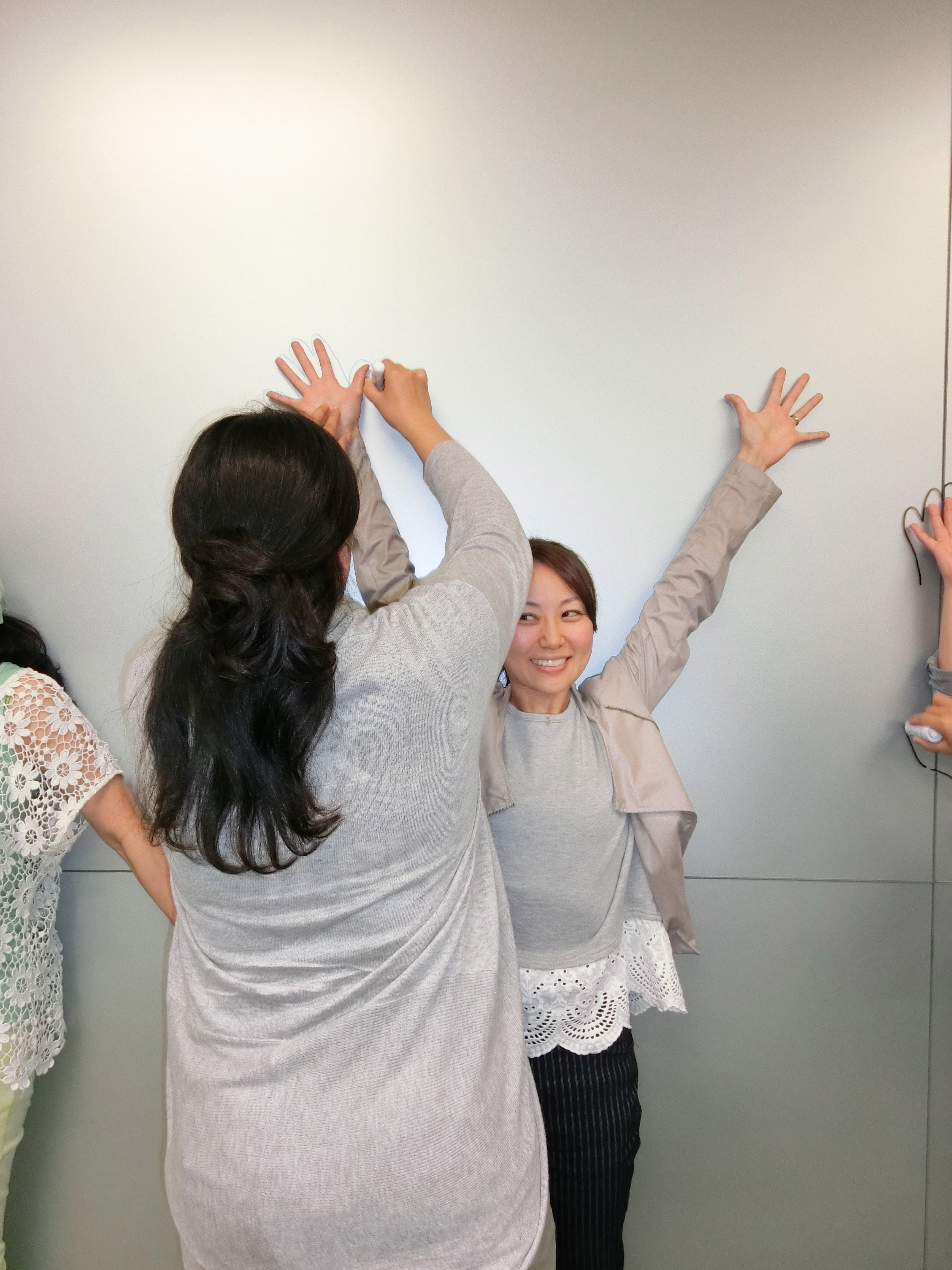
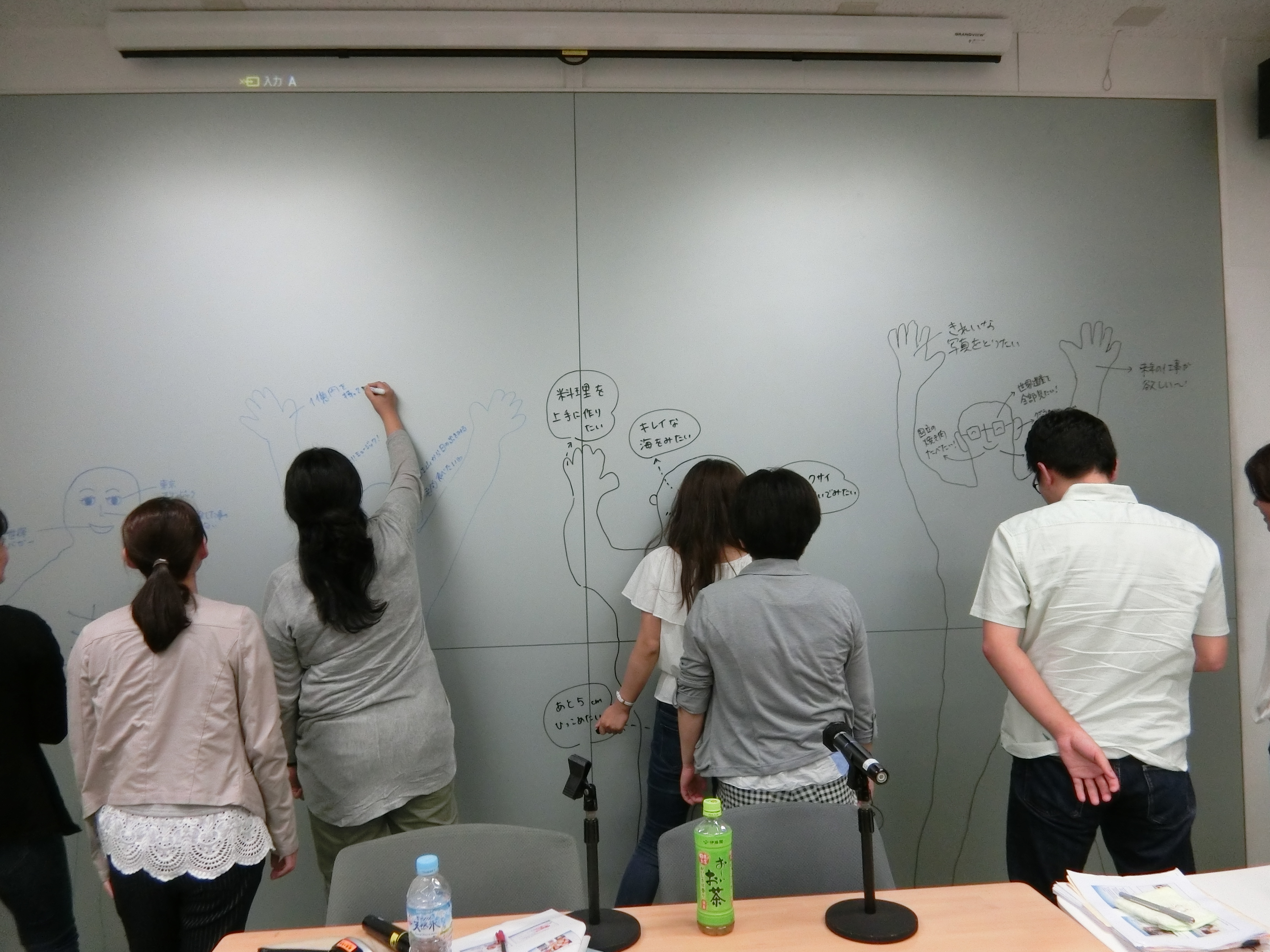
The students traced one another on paper and dry erase board for the “Wonders of the World”  activity (Carman, 2004). This activity helps traumatized kids and teens find hope and connect with a vision of the future as they draw what they would like to see with their eyes, smell, hear, taste, do/make with their hands, and where their feet will take them.

IMG_4531 IMG_4540

CIMG0064 CIMG0062

CIMG0066

And last, but not least, we  demonstrated and practiced child-centered play techniques (Landreth 2012).

CIMG0024 IMG_4742 IMG_4748

The students were so willing and playful that the eight hours flew by each day. I have no doubt that children will be playing their hearts out throughout hospitals in Japan where these folks are training and working. Playing the Japanese way is a wonderful way to go.

International Job Opportunity!

imgres-4

NEWS FLASH!!!

My colleague, Siobhan Green, is looking for an experienced child life specialist to join their team in Australia. Here is Siobhan’s contact info and the job description. https://rch.mercury.com.au/ViewPosition.aspx?id=E2AK6pAarjo=&jbc=ere

Siobhan Greene
Senior Educational Play Therapist
Educational Play Therapy
50 Flemington Road Parkville 3052 Victoria
Telephone: 9345 5571 Ascom: 52457 Fax: 9349 1546
www.rch.org.au

Free New Child Life Tool for Bettering Hospital Playrooms

imgres

I am thrilled to announce the release of a new tool for your child life toolkit. It is an assessment form to help you make your playroom the best it can be. There is a dream playroom in all of our imaginations. Time, space, budget constraints and infection control guidelines aside, we all know what we would provide children and families if we were able to do so. The  VIPAR (Vilas Playroom Assessment Rubric) is intended to present the best possible scenario, and to measure how your playroom is meeting the needs of all pediatric patients and families at your hospital. Child life specialists and administrators can use this rubric as a quality checklist to assess playroom design and operation.

This rubric is several years in the making and has been test driven by many Bank Street College alumni. They kindly tried it out in their playrooms and gave me feedback to improve the document, making it as accessible and flexible as possible.

Tara Horan reports that the rubric gave her staff  “feelings of empowerment to make positive changes.”

Kelsey Frawley shared, “Another AHA moment was the cultural competency piece. I think as specialist’s we are taught to BE culturally competent, not judge, ask questions, be aware of differences, but incorporating it into a room is something I have not thought of. The developmental appropriate piece really stuck out, it is something we have struggled with as a site and recently have committed to revamping.”

Kate Shamzad states ‘In fact, it inspired us to order a wall mirror to be installed in the infant/toddler section of the hem/onc room.”

I owe them and others many thanks for their input. But the VIPAR is and should be a work in progress. So please give me feedback if you use it at debvilasconsult@gmail.com

It is pretty easy to use. Score each category based upon observation and investigation. Add together the 18 category scores to reach a total. Use the key at bottom of rubric to interpret total score.

It can be helpful to underline or highlight specific items to be improved within each category. Once a score is obtained, determine which improvements are within your department’s ability to improve. Set goals and deadlines for improvement. This rubric is not intended to make you feel that your playroom is substandard in any way. The hope is that it will guide you towards making some small or significant changes that will improve the quality of play available in your hospital.

Click below link to access and download the pdf.

VIPAR Vilas Playroom Assessment Rubric

Caring in Cameroon

search    10443980_1029035760443758_744098783317545831_n     search

When we observe anything in this world, our perspective is tightly interconnected with our cultural context. As we grow from the egocentrism of childhood to a more expansive view as adults, we may see that not everyone comes from our circumstances, shares our belief system or our way of doing things. At the age of 52, I was a late bloomer in my foray into other cultures. But travel to New Zealand and the Palestinian Territories in 2014, and speaking at the first International Summit on Pediatric Psychosocial Services began a process that continues today. I have learned that “Child Life” has many names and forms across the globe.

As I cast a wide net with my blog, trying to see how I can do the most good, it occurred to me that I could use it as a platform for getting out the good word about what people are doing in other countries to make life better for children in and out of hospitals. So every so often, I will choose a country and share the story of a colleague who is holding the torch of kindness to dispel the darkness of fear and pain for sick children.

My first spotlight is on Macdonald Doh, my honorary son and a head nurse in the Emergency Department of the Yaounde Gynaeco-Obstetrics and Pediatric Hospital in Cameroon, Africa. I met him at the CLC Summit where he represented his country along with 45 delegates from all over the world.  In Cameroon, there is one doctor to every 10,000 people, as compared with 2.4 doctors per 1,000 in the USA. Continue reading

Child Abuse Prevention

51A3TThNpyL._AA160_Its-My-Body-Lory-Freeman-990033-200x31551PVUhBRKXL._AA160_51heVE3xoHL._AA160_

Thank you so much for joining me on my blogging adventure. It may take me some time to find my groove, and you may see me jumping around a bit to different topics. Please comment on which topics are of most interest to you, and I will do my best to give you what you need and enjoy.

Today, I am writing on one of the topics I had in mind when I set up this website – advice for child life specialists, but my hope is that it will be helpful for teachers and caregivers as well. A wise man, Jon Luongo, advised me that I have a great deal of writing material squirreled away in the posts I have been making to the Child Life Forum for a number of years. Today I responded to a request on the Forum for information and resources regarding running a workshop for parents/caregivers on child abuse prevention. Below is the gist of my response. Continue reading

Tilling

imgres-2

A cluster of school children spill onto the bridle path from an entrance on the upper west side of Manhattan. They emanate pent-up energy and their voices crescendo as they discover the reservoir vista. I register some mild annoyance at their squealing, but it only takes me a moment to recalibrate and appreciate their excitement. They overtake me and I walk for a bit beside the noisy group, eavesdropping on their exuberance and their teacher’s failing attempts to curtail it.

“Stop walking that way. Walk like this. Pick up your feet!” Continue reading

The Box

imgres-1

 Juan was a 7-year-old, sturdy kid with shortly-cropped black hair in the first grade at an inner city public school. Juan’ teacher asked me to work with him on his social skills and impulsivity. My mode of working with children is based on the principles of the child-centered approach, which calls for unconditional positive regard for the child and trust in the child’s ability to find his own way towards healing. This removes the adult-driven agenda as one creates an emotionally supportive play space in which the child explores avenues of his own healing.

The first time I brought Juan into the playroom, he knew exactly what to do.

The toys in my portable play toolkit were chosen to encourage expressive and dramatic play: human figures, rescue vehicles, a toy medical kit, crayons, and playdough. During our weekly sessions, the room itself became part of the play space as well, with its piles of school materials. Each session, Juan would initiate play and instruct me how to play. I served as a willing participant, but I strove to remain in a subservient role, allowing him to direct my actions to suit his needs. I acted as both participant and witness, narrating his play and giving words to the emotions that he played out before me.

Themes emerged, as did routines. One in particular was a challenge for me. At the end of every session, he would avoid putting a stop to his play and refuse to return to the classroom. He would hide behind furniture and boxes, making me feel like an ogre as I prodded and cajoled him out the door. Continue reading