Child Life United: Practicums & Missions Abroad

IMG_0657

Ever since I first stepped off a plane in New Zealand over three years ago, I have become fascinated by what my profession looks like in other countries. Whether you call it Child Life, Hospital Play or Pediatric Psychosocial Healthcare, I have learned that there are many ways to ease the stress of medical treatment for children across the globe. I was in conversation recently with a mover and shaker in the Child Life world, Courtney Moreland, founder of Child Life United. Courtney has been busy creating practicums in partnership with child life programs on the international front, in addition to coordinating child life volunteer positions in her mission work.

Courtney noticed an increasing level of competition for a sparse number of practicums in the United States. Tapping into a growing interest within our field in international work, she came up with the idea of partnering with child life professionals abroad to create more practicum opportunities for budding child life specialists.

First stop — the Middle East! Courtney teamed up with Bank Street College alum, Rachel Werner, a child life specialist pioneer working for Save a Child’s Heart in Israel. Courtney supplied supervision for practicum students, while the students shadowed Rachel in her day to day work. This way, students benefited from Rachel’s modeling, and Courtney shouldered the responsibilities of supervision and training. Courtney provides a curriculum and leads the students in reflective practice. This unique set up means that the students get 100% of Courtney’s attention, energy and expertise, while Rachel can concentrate on her clinical duties. Anyone who has ever supervised or precepted a student knows that this is a win win for everyone. The pilot rolled out this Spring with three students as a one month, full time practicum. They were from America, Canada, and an expat now living in Israel.

Rachel reflects: “I loved the novel idea from the beginning and Courtney’s initiative to bring child life specialists around the world to learn, even to places like Israel where Child Life is not a known field. Although Save a Child’s Heart is an alternative setting, we agreed that it could be a one-of-a-kind learning experience for students seeking an international practicum. In the end I know a lot was learned, and the children will remember the three wonderful women (four including Courtney) when they think back of their time in Israel.”

IMG_0975
Courtney and Rachel – A fabulous partnership!
IMG_0751
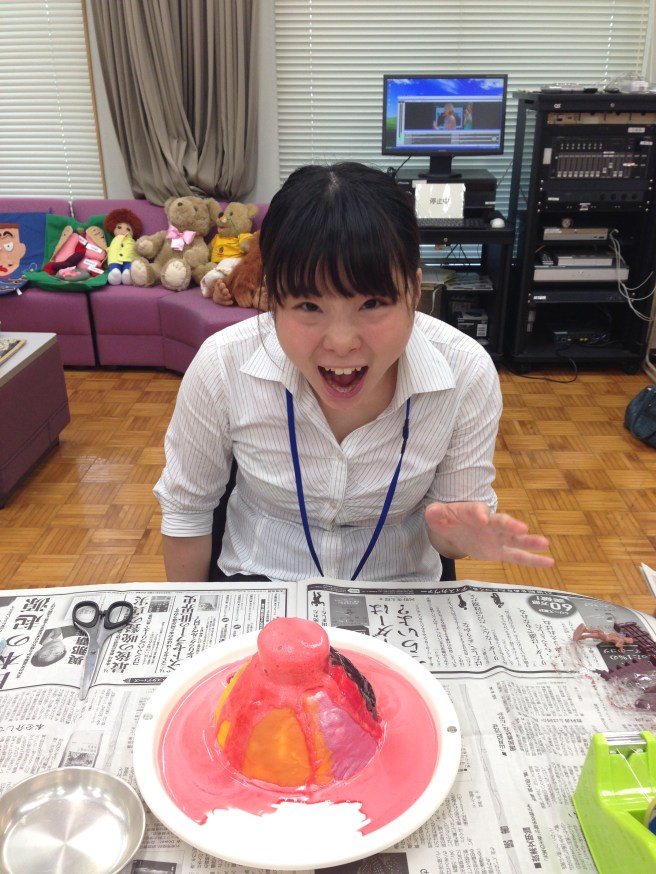
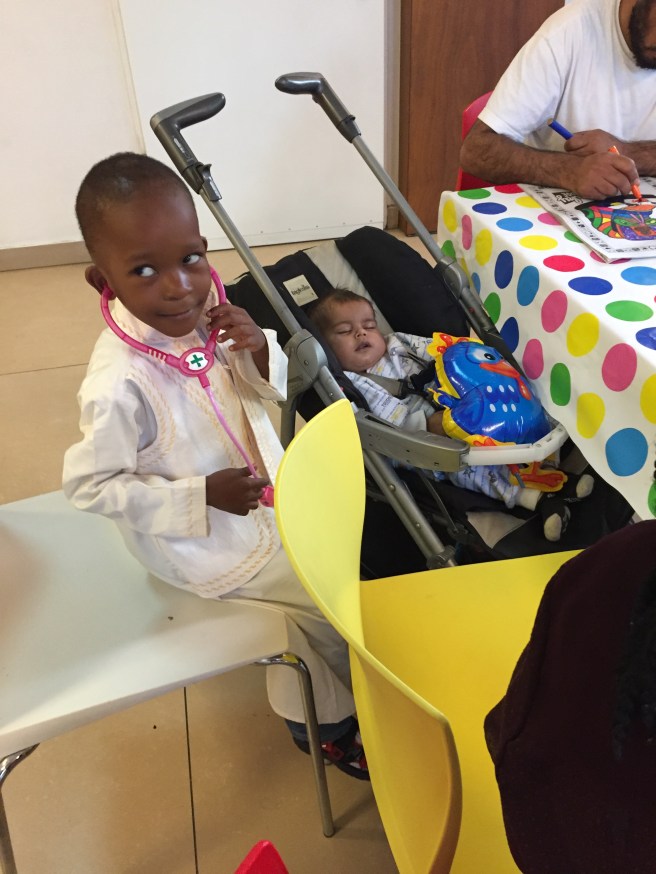
Playing doctor

All Child Life United Practicums will follow the Recommended Standards as set forth by the Association of Child Life Professionals – ACLP (formally the Child Life Council)

Child Life Practicum

The child life practicum is designed as an introductory experience for individuals interested in pursuing a career in child life. Through experiential learning and observation of Certified Child Life Specialists, child life practicum students begin to increase their knowledge of basic child life skills related to play, developmental assessment, and integration of child life theory into interventions with infants, children, youth and families. Child life practicum students will increase their comfort level by interacting with infants, children, youth, and families in stressful situations, health care settings and/or in programs designed for special needs populations.  Through these experiences, child life practicum students will enhance their knowledge of the child life profession and investigate the process of applying child life and developmental theory to practice.  

The next practicum will be held in Sydney, Australia this summer. You can find details in the  Student Information Packet – Australia Practicum. Courtney seeks applicants who have completed 100 hours of volunteer work in a child life department. It is a plus if you have at least one child life course under your belt, but it is not required.

Applications are DUE June 1st, 2017

The application is also located on the Child Life United website www.childlifeunited.org

Mission Work

This summer Courtney is also happy to announce the exciting opportunity to serve as a Child Life Specialist on a medical mission trip. Missions are typically a week long.

In August, she will be supervising Child Life students on a mission to Mexico as Child Life United brings Child Life services to Florence Nightingale Global Health Missions .

This trip requires a fundraising effort to collect the teaching supplies and toys needed to meet the needs of the kids and their families. All trips provide medical care in grossly under served areas of the world. Please consider supporting this effort. Every sticker, ball and mask masks a difference.

She has created a Wish List on Amazon of supplies needed.
https://www.amazon.com/gp/registry/wishlist/307DPAFB2HQZG/ref=nav_wishlist_lists_2

If you are looking for a child life adventure abroad that will further your learning and expand your horizons, all in the service of easing the healthcare experiences of children, please contact Courtney at Child Life United to apply.

IMG_0986

IMG_0748

We can’t wait to hear where she will be partnering next!

images

Bilingual Book for Pediatric Cancer Patients

My thanks to Marifer Busqueta for connecting me to this wonderful bilingual children’s book for children and families facing cancer:


nav_logo


The information below is copied directly from the book’s website benito books. Marifer herself has written a children’s book in Spanish to address children’s questions about loss and death, “I want to know what is death?”. It is wonderful to have access to books for Spanish speaking and bilingual children facing illness and loss.

17554104_10154206566695764_5630436754248429766_n

nav_logo

Home About the book News/Events Buy your copy

Overview

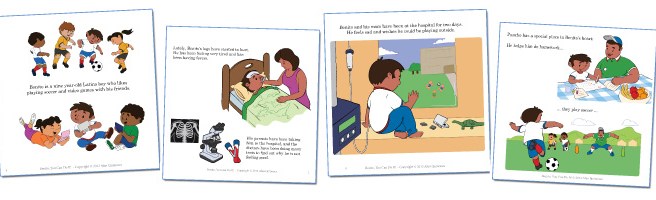
Benito, You Can Do It! Volume 1 is the first in a series of bilingual picture books for children diagnosed with cancer. This 80-page (40 in English and 40 in Spanish) picture book depicts a Latino family facing childhood cancer and uses a soccer analogy to explain the roles of the medical team.

Pages from the book

Written and illustrated by Alan Quinonez, this book helps parents find strength and hope when one of their little ones has been diagnosed with cancer.

Our Goals

The picture book series Benito, You Can Do It! has been inspired by the testimonials from the families in the Latinas Contra Cancer Parent Support Group as well as the expert knowledge and input of the medical team at Stanford’s Lucille Packard Children’s Hospital.

about_inspire

Our goals in developing this first-of-its-kind book series reflecting the Latino experience are:

  • To the affected families to share the resources, advice, and best practices learned from the cancer journey with their child.
  • To show the cancer survivors that this is an opportunity for them to step into the limelight and reach out to those who might lose faith.

The book series

Our first volume The News, helps children and their families cope with a recent diagnosis by providing a better understanding of the disease, and the medical team that will be helping them.

Upcoming volumes in the series are:

  • Vol.2 The Awareness (working title) Will explain how the immediate family of a child with cancer faces twice the risk of developing the disease, and what steps the family can take to reduce the risk.
  • Vol. 3 The Treatment will explain the different types of treatment and life at the hospital.
  • Vol. 4 The Siblings will help brothers and sisters process their own feelings of being set aside and neglected.
  • Vol. 5 The Return to School will explore the anxiety that children face when they go back to school before their hair has regrown.

Our fundraising on Kickstarer

From Sep 6th to Oct 6th 2013, we ran a kickstarter fundraising campaign.

Thanks to the generous donations from 171 backers, we were able to raise over $12,000, which allowed us to cover the costs of print, as well as set aside 110 books and make them available for free to families in need!

At our campaign page you can:

About the author/illustrator
about_alan

Alan Quiñonez is a writer and illustrator working on his dream of telling stories that cross language barriers and foster a message of hope and strength in children and families around the world. He lives with his partner in North Hollywood. His personal website is alanrq.com

About Latinas Contra Cancer

about_lcc

Latinas Contra Cancer is a decade old nonprofit based in San Jose, California. Founded by Ysabel Duron, a cancer survivor, this agency, one of the few of its kind in the country, works to improve outcomes for Latino families affected by cancer by increasing awareness and knowledge, access to care, and psychosocial support.
Learn more at latinascontracancer.org

Medical Play: Modeling Empathy for your Child

file_000

Colleague and friend, Teresa Schoell, is a child life specialist in upstate New York. She is featured in  “That’s Child Life!” , a video published by the Child  Life Council. She is also, first and foremost, a mother to Malcolm. She posted this story on FaceBook today, and with her permission (and Malcolm’s), I wanted to share it with all of you.

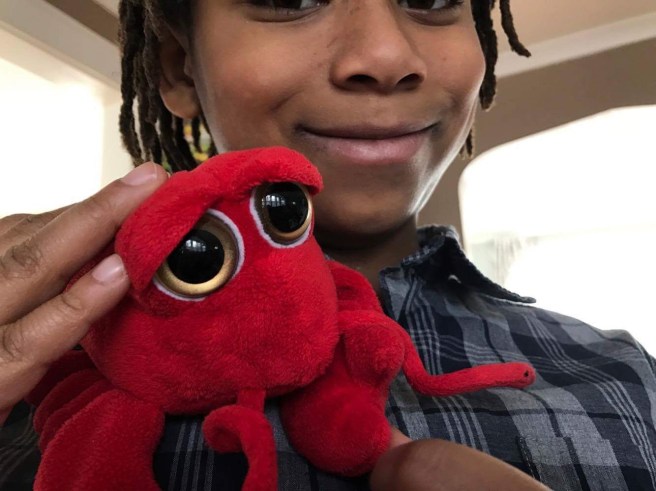
I just finished performing surgery on one of Malcolm’s beloved stuffies (a gift from the dear Justinn Walker). Apparently, JC the Lobster was quite anxious about the procedure, hiding in Malcolm’s arms while I threaded my needle.

“I’m scared it’s going to hurt,” came JC’s voice (with a marked similarity to Malcolm’s falsetto).

Then I heard Malcolm’s reassuring voice “Don’t worry, JC, we’ll give you sleep medicine so you don’t feel anything. Would a hug help you feel brave?”

A few hugs and and some invisible anesthesia later, the lobster was open on my table (prepped and draped in the usual sterile fashion….which is to say, laying on a couch cushion on my lap) Today’s procedure was to repair the distal fracture to the bendy wire in the patient’s left antenna, which supports movement and pose-ability.

Under general anesthesia I opened and peeled back the fabric, revealing the damaged wire. The sharp wire bits were realigned and repaired use med-surg duct tape, reinserted into the fabric, and sealed with a running subcuticular suture (sewed on the inside for a near-invisible scar). Procedure complete in 15 minutes with minimal stuffing loss. Patient resting comfortably.


I commend how Teresa invested in Malcolm’s powers of imagination and attachment by treating JC the Lobster with the respect one would give a live patient. When parents take their child’s attachments and emotional needs seriously, they model empathy, the glue that holds our society together.

file_001

Preventing Pediatric Pain: A Longterm Win Win


imgres

Amy Baxter, MD, the queen bee of pediatric pain prevention

“I believe established medicine is courting a public health disaster, not because of costs or lawsuits or one dumb publication from a scientist gone bad, but because of a national Pavlovian failure of empathy.” — Amy Baxter

Who is Amy?

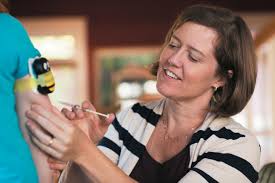
“Emergency pediatrician Amy Baxter noticed a disconnect in health care: caregivers often cause pain to solve a problem, but for many patients, pain is the problem. While researching the causes and consequences of untreated pain, she invented Buzzy, a bee-shaped device that physiologically takes the sting out of shots using high frequency vibrations and cold. Amy is the director of Emergency Research for Pediatric Emergency Medicine Associates at Children’s Healthcare of Atlanta, Scottish Rite. In the academic world, she is known for creating and validating the BARF nausea scale for children, and an algorithm to measure the timing of child abuse. Honors include a 2011 Medical Design Excellence Award, Georgia Bio Innovative CEO of the Year, and a Wall Street Journal “Idea Person.”” (TEDMED, retrieved November 7, 2016)

In a recent conversation with Dr. Baxter, I asked her about her war on pain, and her appreciation for the field of Child Life.

What are your beliefs about pediatric pain and the need to prevent it?

I take seriously the oath to First Do No Harm.  When iatrogenic procedural pain causes people to fear healthcare later in life, we have done harm.  When we withhold pain management in the trauma bay, we do harm. I have always been suspicious when we do something without pain management to someone small enough to hold down, but we sedate or give analgesics when they’re big enough to fight back.

What do you believe children need most in the medical setting? 

Children need to know they’re safe.  Therefore, parents need to know we’re doing everything we can to make them not hurt.  Something may happen that isn’t comfortable, but kids need to trust that they’ll be warned.  If there isn’t any way to make it more comfortable, they need to know that their care team and parents are all agreeing and supporting what is best for the child. Even very young children know crap happens; what is scary is when the people who keep their world stable are visibly angry, confused or afraid.  Pain isn’t the worst thing that happens, it’s pain when their parents seem unable to protect them. When I fix a nursemaid’s elbow or a patella, I offer analgesics, but let parent and child know I can make them feel better FAST right now but it is going to be uncomfortable for 5 seconds or less.  Or they can wait, but it will still be a little uncomfortable.  Most opt for fast, but that control and honestly let them know I’m thinking about not hurting them first and foremost.

Why is pain prevention important for very young children?

Kids who are persistently afraid of needles have healthcare consequences. They grow up to be adults who don’t get flu shots, or start insulin when they need it, or donate blood.

What motivates you in uphill battles with sensitizing other medical professionals to the necessity of pain control for infants and children? 

I really believe that truth carries its own coercion.  If people who want to heal see the truth of the importance of pain relief, they eventually will align their behaviors with that belief.  No one wants to be an outlier in medicine.  Once one person sees the truth, that pain relief matters, they can’t unsee that.  Eventually the obvious will become apparent to everyone – we can make the entire system work better when we don’t hurt children.

How did you learn about Child Life?

I know this is hard to believe, but I can’t remember not knowing about Child Life.  I’m sure we didn’t have Child Life in pediatrics when I was training, but perhaps because it always seemed such an obvious need when I first began seeing Child Life specialists, perhaps I assumed they always been someplace, just perhaps not in my department.  I carried distraction toys on my stethoscope and in pockets since I began training, it just seemed logical.  My oldest was born my first year of residency, so I had a natural connection to what worked for different ages from the beginning of my training.

Resources for doctors, parents, nurses, and child life specialists

In this TEDMED Talk, Amy speaks to the increase in vaccinations in early childhood, and the impact it has in increasing needle fears later in life.  Visit her  Buzzy website to find out more about the most cost effective way to prevent needle pain in infants and children.
buzzy-child-life-halloween

Child Life Uniting for All Children

is

This morning we woke up to a new normal, which includes a stark awareness about the level of bifurcation in our country. Some folks are celebrating the prospect of change  — some are very afraid about what this change might mean for their future. There is no question that we face an enormous task in figuring out how to work for the common good when many of us have differing views of what that good should look like.

I believe that Child Life Specialists are uniquely poised to address this rift. We reach out  from a strength-based, cooperative front, moving forward from a place of deep inquiry, witnessing and advocacy for those in our care. No matter what our political beliefs, we know the value of the developmental interaction approach. We meet the needs of children and families first by asking what their needs are, then by listening and validating, and then by empowering them to find expressive outlets and coping strategies to address these needs. We facilitate children’s inner abilities to make meaning out of their individual path to healing, whatever that may look like. We do all of this while taking into account the child’s developmental needs and the family’s resources and cultural beliefs. These beliefs often conflict with our own, but we consciously choose to serve our patients with kindness and respect, despite our differences. We seek the common denominator of humanity to find common ground to work from.

We also do this, side by side with medical staff, who often see things very differently than we do. We work in an interdisciplinary fashion to cooperate within the system, being positive members of the team while we gently, firmly advocate for some approaches that may be outside the present medical culture. We make mistakes. We stumble and fall. But we learn from them, reflect upon them with bravery, and get up and try again.

So, let us remind ourselves of the tool kit we have right at hand. Our training. Our leadership skills. Our humanity. Our deep desire to serve and make the world better. Let’s make sure that every staff member we work with, every child in our care, every family member, feels safe and respected within the healthcare environment. Let us ask how they feel, listen to what they tell us, and provide witnessing and reassurance that we will do whatever possible to ensure that their safety and comfort, no matter their color, socioeconomic status, country of origin, religion, gender, sexual orientation or family makeup.

A resource: What do we tell the children?

We can do this.

“Peace in my heart brings peace to my family. Peace in my family brings peace to my community. Peace in my community brings peace to my nation. Peace in my nation brings peace to my world. Let there be peace on earth, and let it begin with me.”  (As Spoken at the Sacred Center- Manhattan, NY)


And listen to this:

Van Morrison Till we get the healing done

The Child Life Maker Movement: Loose Parts Impacting Healthcare

img_1347

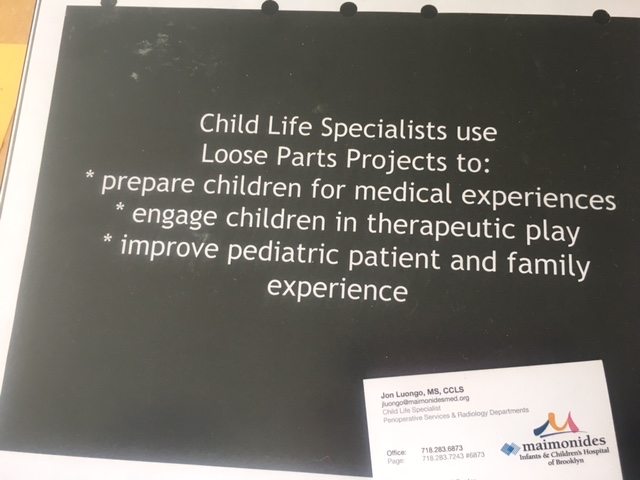
What happens when you cross a child life specialist with loose parts? Creativity, to say the very least. Specialists have been using loose parts to make the medical world more accessible and friendly for children and families since the beginning of our profession. They combine medical supplies (tubing, gauze, rubber gloves) and household items (paper towel rolls, pipe cleaners, paper clips, felt) to create everything from customized dolls that reflect a child’s medical situation, to a glove-o-phone to help children pass breathing tests. Simple and complex inventions have aided children in making meaning out of their medical experiences.


img_1316

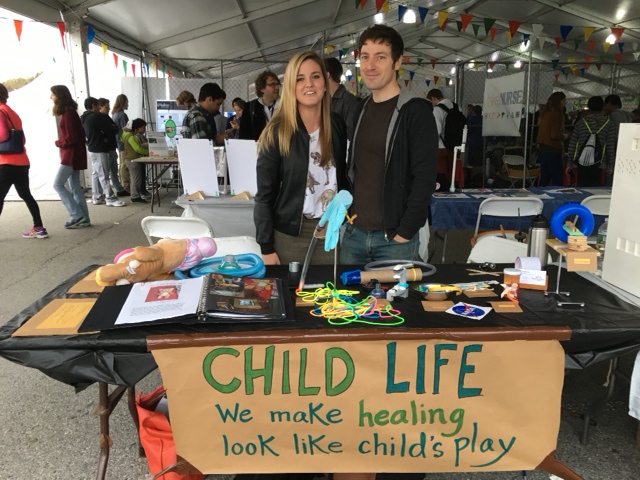
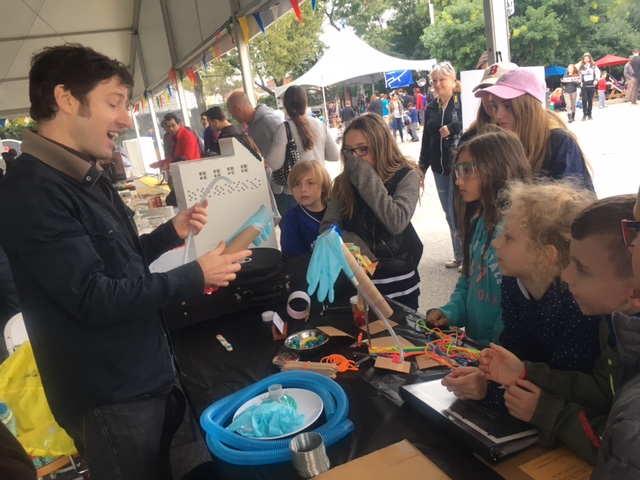
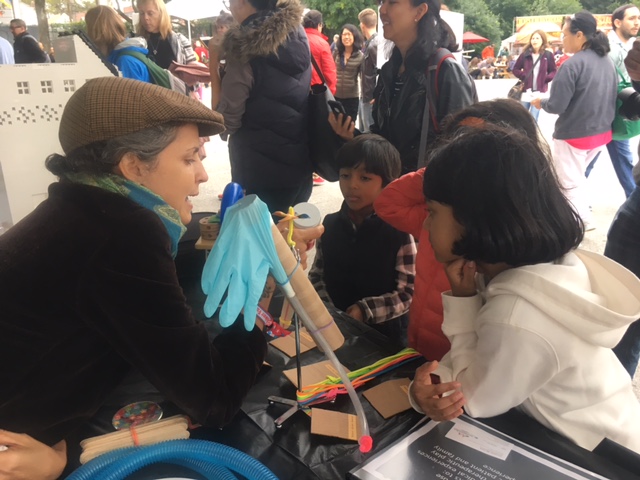
Now, with the Maker Movement, child life specialists have invaluable opportunities to join brains with other disciplines seeking to improve patient experience and speed recovery.   Bank Street College Child Life alumnae Jon Luongo and Kelly Segar, and children’s book author Anastasia Higginbotham rolled up their sleeves to join the Maker Faire at The New York Hall of Science this past weekend. They joined nurses, doctors, medical technicians and fellow inventors in the Health Maker tent on this brisk and cloudy autumn day.

As children and caregivers meandered through the exhibits, .the specialists shared information about how to make pediatric hospital stays more manageable, less stressful, and more fun. As Jon demonstrated the glove-o-phone, kids jumped at the unexpectedly loud honk it made.

img_1326


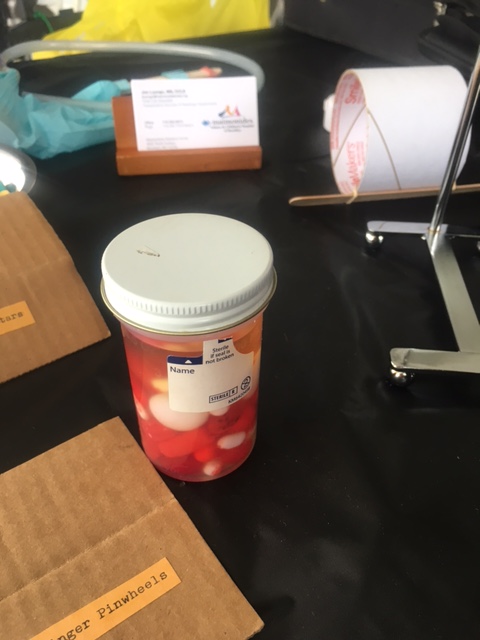
Exclamations of “Ewww gross!” were followed by attentive curiosity as Jon explained the purpose of the vial of “blood soup” on the table.


img_1317

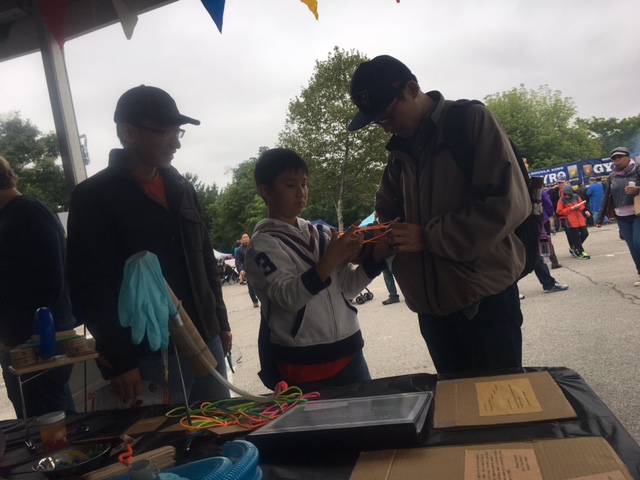
Families spontaneously grabbed colorful neon strings and engaged in string play, a simple game that crosses generations, culture and language around the world.

img_1332

Kelly demonstrated her Barium Bear, “Barry”, developed to support children receiving barium enemas and scans. She used simple circuitry that she learned from a Hospital Play Specialist in Japan to illuminate the pretend scan.


img_3265

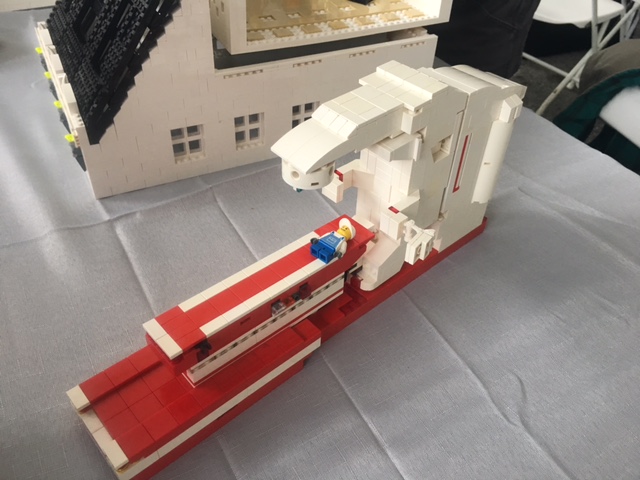
At nearby tables, radiation techs and doctors showcased how legos can be used to build mini MRI, CT-Scan, and linear accelerator machines. When they are doll sized, they aren’t quite so scary. And when children aren’t as frightened, doctors can administer less anesthesia to their tiny patients, a win-win for everyone.

img_1312

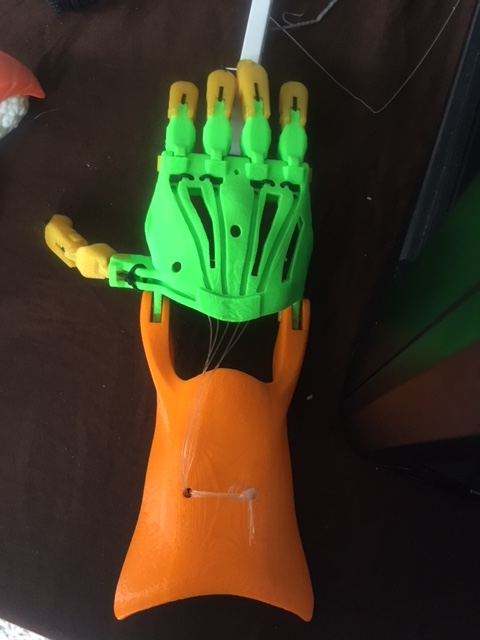
Did you know that a A three-D printer can be used to make prosthetic hands for children who have lost theirs to birth defects, disease or accidents? And for a fraction of the cost of traditional prosthetics. And they aren’t just your run of the mill hands either. They are superhero hands! As I observed a three-D printer humming away at one exhibit, I wondered about what kind of mind came up with the idea of this machine. And then who had the amazing idea about the possible application of it in the medical world?

img_1338

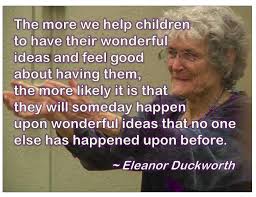
Wonderful ideas start somewhere, and when we encourage children to explore and create, even in the medical environment, we are investing in their healing and in their future. The Maker Faire was an extraordinary celebration of the possibilities of the human brain. From low-tech to high-tech, creative minds came together in the Health Lab tent to hack medical problems and make the healing process more fun. If you want to get your maker on, I encourage you to find maker spaces near you Challenge your child life staff to a loose parts contest at the next departmental meeting. Jumpstart a health maker group in your hospital and invite staff from throughout the institution to collaborate. And don’t forget your best assets. Find every opportunity to include children in creative problem solving with loose parts. In and out of the healthcare field, children and adults all benefit when we connect with what Eleanor Duckworth called “wonderful ideas.”

images

img_1307

img_1345


Bombings & Shootings & Stabbings, OH MY!

imgres-1


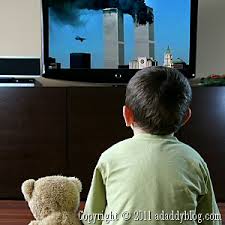
We all might be feeling on edge these days. I know I am after the bombings in my hometown of NYC this week. But I have coping skills as an adult. How hard must it to be to be a kid and see this stuff on TV? How do we help our children feel safe as we do our best to keep our own fears in check? We know that children need help to process these unfathomable occurrences. The bad news doesn’t just go over their heads, and they will draw their own conclusions and suffer inner fears alone without adult support. The trouble is, what do we do when we don’t know what to say? When we don’t have answers?

Thank goodness, there is some great expert advice out there to guide adults in helping kids process  disasters, both natural and manmade.  Here are some links to get you started.

Discussing Tragic Events in the News

Addressing Extremism

Talking to Children about Shootings

Stay safe out there, and help children in your care to feel safe by monitoring their exposure to news on TV and the internet. Whether you are a parent, caregiver, or if you work in a hospital or school setting, gently encourage adults to keep TV/radio news off in the presence of children, and to be aware of children’s listening ears when discussing events with one another. And then, begin the tough discussions.


Medical Staff Gotta Play!

636040149932713433-pokemon

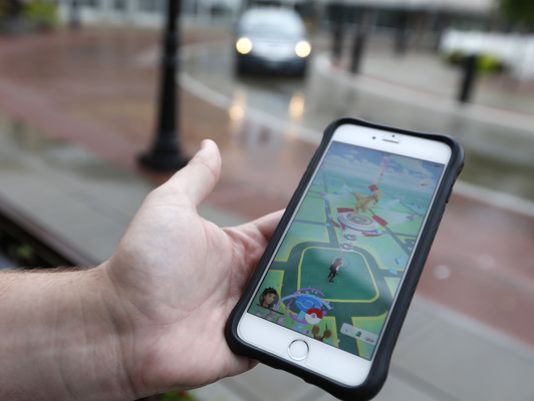
The recent Pokemon Go craze has hospital administrators  flummoxed by their employees’ behavior. Several hospitals have called for a ban on medical staff playing the digital game while at work, claiming that they are ignoring patient needs in pursuit of the free-to-play location-based augmented reality mobile game. There is no question that social media should never come before a patient’s medical needs, but the administrators may be missing an important point.

Adults need to play.

Yup, that’s what I said. Adults need to play.

Articles about burnout in the medical field appear every day on my news feed. Caring professionals exposed to repeated trauma working long hours in tough conditions with impossible patient to staff ratios face compassion fatigue and burnout on a regular basis. There are no easy answers, probably not one thing that can turn this phenomenon around. But if we look at the current Pokemon seeking behavior, it gives us a clue.

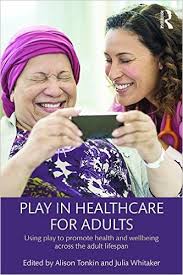
Think about recess at school and all the studies that show how increased physical movement and play greatly improve children’s ability to learn, function and lead healthier lives. Why should it be any different for adults? In fact, Alison Tonkin and Julia Whitaker have just published a terrific book Play in Healthcare for Adults: Using Play to Promote Health and Wellbeing Across the Adult Lifespan, that explores the role of play in adults’ health and coping. 

imgres-1

They show how central play is to our biological makeup and evolutionary history. Play is a crucial ingredient of survival for all mammalian species (Tonkin & Whitaker, 2016). In the forward to the book, Suzanne Zeedyk, a research scientist and founder of connected baby states

We know these truths instinctively. However we relegate them to our private lives and personal relationships. Contemporary culture does not reserve an official role for play in our public, professional lives. Work is serious. Play is not.

That’s why this book is radical. Its editors have been willing to shout loudly about the importance of play in professional contexts.They have been willing to bring theory, empirical evidence, and practical examples to their claim.

Jon Loungo, a child life specialist at Maimonides Hospital Center in Brooklyn, NY, coined the term Tongue Depressor Challenge. It refers to providing medical staff (and often patients) with loose parts , and telling them, “Create something that shows how the hospital experience could be improved, in real or imaginary ways, and include at least one tongue depressor in your project.”  With this 3-D challenge in mind, I allow my imagination free reign in envisioning what the presence of play might contribute to excellent healthcare in hospitals. I picture doctors, nurses, administrators and technicians taking scheduled breaks throughout the work day. I picture play rooms set aside for staff that include expressive art corners, rock climbing walls, trampolines and ping pong tables.  Hey, and what about pet therapy?

Call me crazy.


IMG_4489

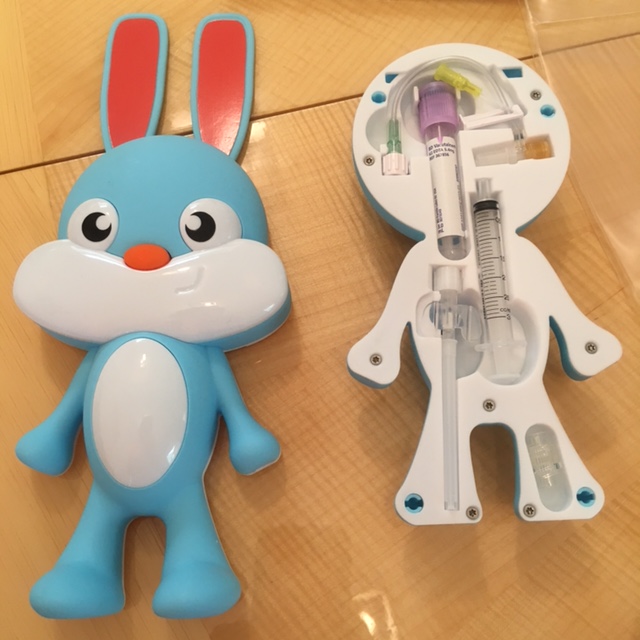
Rabbit Ray – Helping Kids with Needle Fears

IMG_0971

Esther Wang has a vision. As an entrepreneur, designer and inventor, she has learned first hand what it means to use creative skills to make the world a better place. Esther took up the challenge of “How can we help kids be less afraid of needles?” in Singapore, her native country.  She designed Rabbit Ray, an interactive, virtually unbreakable, washable patient interactive device that empowers even more than it teaches. Continue reading

Less anesthesia – More play for MRIs

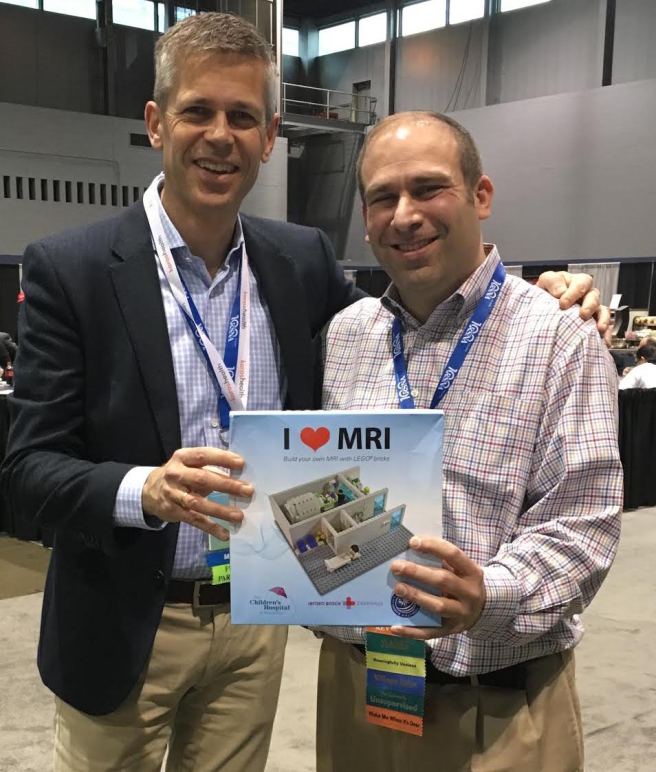
ilovemri
Erik Ranschaert and Ben Taragin

Dr. Benjamin Taragin knows a lot about what kids need when facing radiology scans. He has spearheaded the production of a miniature MRI model using toy building blocks, so that children can play about their experiences before and after scans. When I asked Dr. Ben about how this all came about, he shared the following narrative. We hope you will be inspired by his story and jump on board to help make his I Love MRI kits available to any child in need of an MRI.  Continue reading