Driving the Camel: Installment #7


IMG_1586

Chapter 6: 17 Time Zones

Three planes and over 24 hours later, the North Island of New Zealand came into view as the plane made its way down through the clouds and circled for a landing. Excitement began to tilt the scales of anxiety as I disembarked and made my way through customs. Robyn, a member of the conference planning committee, had planned to meet me and escort me to the hotel. I scanned the group of people awaiting loved ones. I assumed that Robyn would be holding a placard with my name on it. No such luck. I milled around for about five minutes, before I heard a woman’s voice calling me.

“Dib?” her New Zealand accent changing e’s into i’s. Her cheerful smile and mom-like warmth were exactly what I needed to see,

I hugged her like a long lost friend.

“I can’t believe you came all this way to speak at our little conference!” she exclaimed, brushing her hand through her pageboy light brown hair.

“How could I turn down such a wonderful invitation?” I answered.

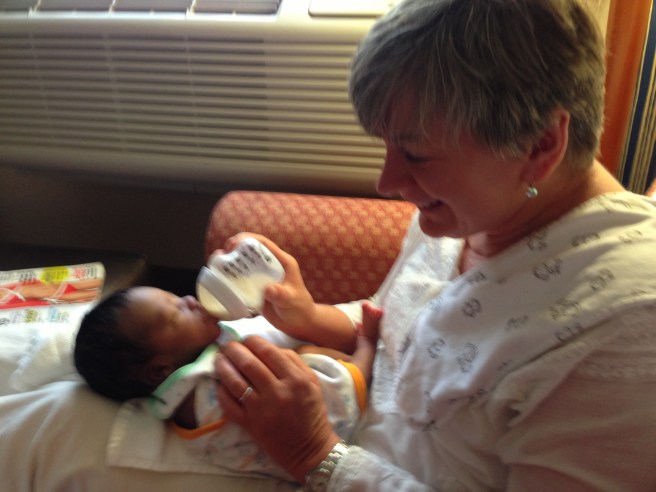
Robyn’s generosity along with that of the other conference planners was pleasantly overwhelming. The initial invitation to speak at the conference came from Marianne, the founder of the Hospital Play Association in New Zealand. Via e-mail, without ever having met me, she made an astounding offer. Not only were they going to pay my way to come to New Zealand, but she had heard that I was writing a book. She owned a house at Lang’s Beach on the North Island and asked if I would like to stay on for a month to do some writing. The dream of this house had been a rallying point for me during medical treatment. I would lie on the linear accelerator table receiving daily doses of radiation and picture my toes in the sand and a journal in my lap.

IMG_1604

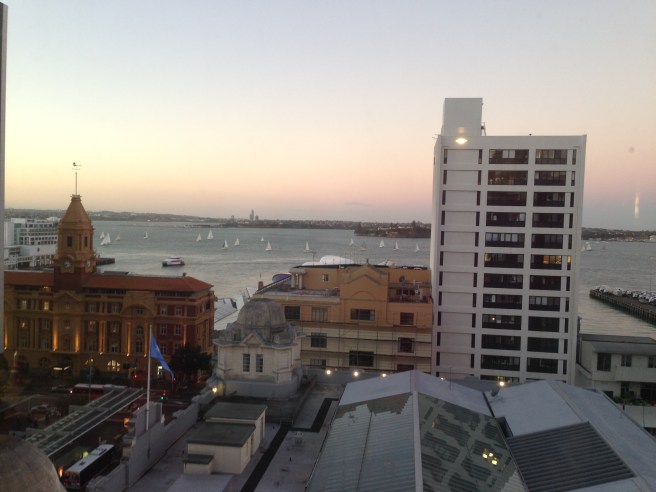
My hotel room on the upper floor overlooked the city harbor, where fleets of sailing boats graced the waters. A gift basket of New Zealand teas welcomed me as I entered the room. I unpacked and fell happily into the king-sized bed and slept.

Marianne was a wonderful host in Auckland. She supplied me with a list of places to go and things to do. She picked me up at the hotel the morning after my arrival and we toured some volcanoes, along with Robyn’s Hospital Play department at the local hospital.

The volcanoes were lovely and afforded great views, but nerd that I am, I loved seeing the lay of the land in Robyn’s hospital even more.  In New Zealand, hospital play specialists have different training than American child life specialists. For the most part, they have backgrounds in early childhood education, and certification through the Hospital Play Specialist Association. Their departments are funded by both the Department of Health and the Department of Education, and their programs must meet the curricular requirements of early childhood education.  This allows for an approach steeped in a thorough grasp of child development and how children learn.

IMG_1577

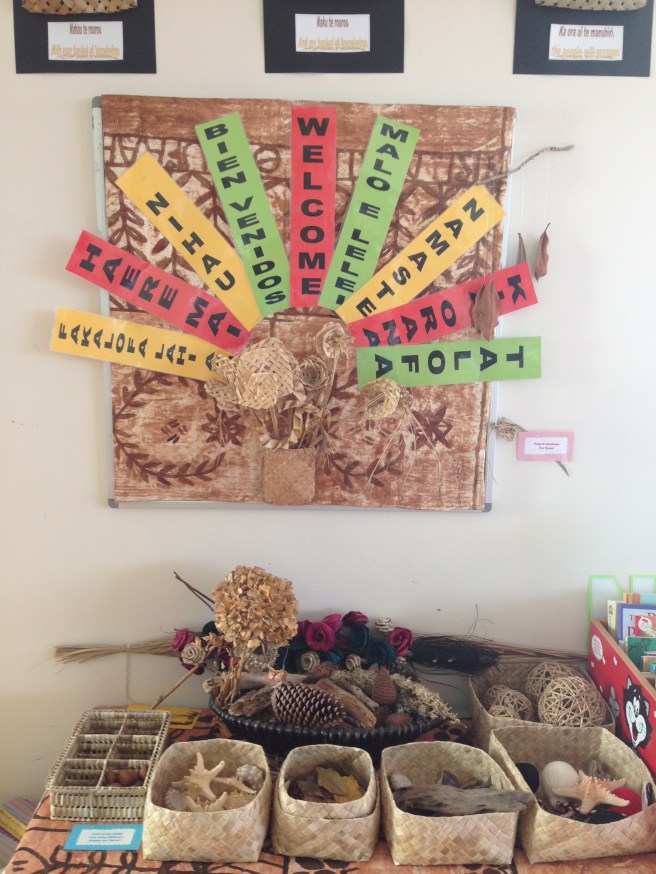
I was pleased to see that every one of the hospital playrooms mirrored best practice in early childhood education.  Each playroom recognized the bicultural nature of the country, embracing literacy and cultural objects from both the tangata whenua (people of the land – Māori) and the tangata tiriti (the people there by virtue of the Treaty of Waitangi – non-Māori). A huge handmade sign welcomed visitors in several languages, including  English, Maori, Samoan, Hindi, and French. Beneath it stood a table laden with baskets. Each basket held items from nature, shells, rocks, pinecones,  inviting exploration and touch. Continue reading

Driving the Camel: Installment #6

IMG_1273


Part Two  Outside my Comfort Zone


Chapter 5: Right on Time

9 months passed more quickly than I’d expected. Being Auntie Deb, writing, attending treatments and doctor appointments, hosting visits from well wishers, and navigating medical plot twists and side effects filled my days. One plot twist in particular was almost funny if it weren’t so worrisome. Beginning with the second round of chemo, within 24 hours of every infusion, my right breast would turn bright, stoplight red. After a trip to the emergency room and a few days in the hospital with a truckload of antibiotics, the doctors told me I had cellulitis.  From then on, after each chemo round, I would awaken the next day feeling like a warped version of Rudolph the Red-Nosed Reindeer, and start yet another round of antibiotics. And yes, I wrote a song about that too.

To counteract my daily battles, Mark did his best to schedule things at night and on weekends that we could enjoy together, especially nights before surgery and chemo.  We went to many plays, concerts, lectures and baseball games during that time. Toward the end of my radiation treatment, we escaped for a few days to visit his family in Florida and take in spring training, And even though I fell asleep for a portion of many of our outings, the distraction and Mark’s hand in mine were a balm to my heart and healing body.

Then, seemingly out of nowhere, the end of treatment snuck up on me and whacked me on the head, none too playfully. What I thought would be a huge milestone to celebrate turned into a marshy landscape pitted with hidden sinkholes. After gliding through treatment with a positive attitude and no shortage of energy, the very end of treatment rolled over me like a tank. It took extraordinary energy to brave the crappy winter weather and walk each day to and from radiation therapy. We had record low temperatures and snowfall that year. Getting anywhere in the city was a brutal task. I was exhausted, deeply sad, and once more, highly anxious. Continue reading

Driving the Camel: Installment #5

IMG_0343

Chapter 4: You Have to Point it Down

Of course not everything revolved around my cancer. Life has a way of constantly unfolding in and around crises, and one of my dearest friends was on the cusp of a wonderful life transition. I’d known Isabel since my days in graduate school when we acted as course assistants for a beloved professor and mentor. When I received the call to teach at the college, I’d invited Isabel to co-teach with me. Our friendship had grown from there. We’d shared many meals deep in conversation about our lives, sipping sake and sharing our mutual adoration of food. She encouraged me to step out of my comfort zone and we’d gone on yearly vacations together, exploring places I had never even thought of visiting.  But all throughout those fun times, she had always wanted to be a mother. As an early childhood educator, she visited the homes of families and performed assessments for infants and toddlers with suspected delays. Isabel loved babies more than anyone I knew, but at the age of 46, had yet to find a mate who shared her dreams of family.  

The year before I got sick, Isabel made the announcement that she would go it alone and began the laborious process of applying to be an adoptive parent. I drove her to the adoption agency located in Pennsylvania, so that she could make a video to be shown to prospective birth parents. It was a sunny spring day and we enjoyed escaping the city as we headed southwest through New Jersey. Continue reading

Driving the Camel: Installment #3


IMG_0268

Chapter 2: Plot Twists

I did my best to spread out appointments and procedures between the members of my support system. I didn’t want any one person to feel burdened, especially Mark. He would have enough on his plate taking care of me at home. My friend Sharon accompanied me to my pre-surgery checkup, and my sister-in-law brought me to get the radioactive isotopes injected.

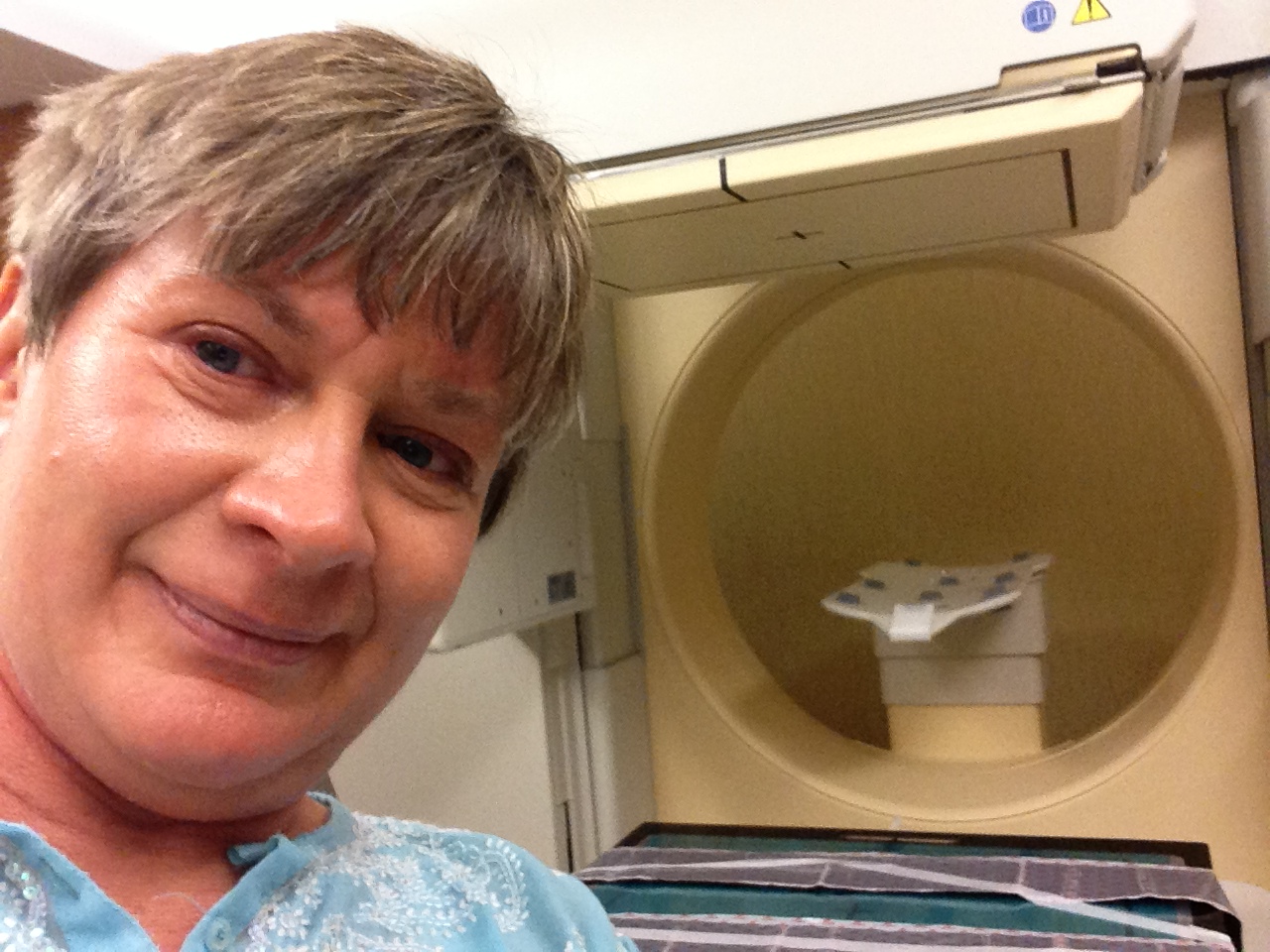
As part of my own self care regimen,  I took selfies of me with each person to accompany me. I snapped photos of the intimidating machine they used to guide the placement of the radioactive seeds and the nuclear scanner I rode like a carnival ride following the isotope injection.  I wanted to document my progress and witness my own milestones of treatment. No matter how much support I had from friends and family in waiting rooms, I faced the painful procedures alone in a skimpy hospital gown.

There comes a time when every cancer patient is stripped of their own clothes and identity. We may be in the presence of medical professionals, but we are profoundly alone. In those moments, we must rely on ourselves and our own coping skills, which can take the form of tears, desperate prayers or stoically enduring the pain and humiliation. If we are lucky, we have access to other more concrete coping techniques.

As a child life specialist, I had helped children and families document their treatment through photos and homemade books.  Children illustrated their stories and dictated their own narratives. I  prepared many children for painful procedures, and provided distraction and comfort to them while they faced injections, spinal taps, bone marrow aspirations, sutures and the setting of broken bones.  With their parents’ help, we practiced how to blow bubbles to relax, how to make choices about where to look during the painful part, and what toys or books might take their minds off  their pain and fear. I used guided imagery to help them imagine themselves on a beach or at an amusement park, instead of on a cold, hard, bed in an emergency room. 

I remember 10 year-old Nikki well. An ambulance transported her from school, where she had seriously injured her right arm. She arrived at the pediatric emergency room  on a stretcher, her arm heavily bandaged. She was surprisingly calm, and I wondered if perhaps she was in shock. Her parents had not arrived yet, and the doctors couldn’t wait for them. They moved her onto a hospital gurney. I stood on the other side of the bed, close enough to speak quietly as the doctors bustled around her.

“Hi Nikki. I’m Debbie. Do you know where you are?”

“The hospital?”

“Right, the ambulance just brought you in from school. The doctors need to look at your arm to see how to help you feel better. Do you want to tell me a little bit about what happened?”

Nikki looked a little abashed. “I was joking around with my friends in the girl’s bathroom. I climbed up the wall of the stall to tease one of them in the next stall. I don’t know what happened, but I fell. My arm got cut somehow on the toilet paper dispenser.”

“Now that’s original!” I smiled.

“Yeah,” she grinned sheepishly.

“Well, you will have a good story to tell.” I said. “My job is to help you understand what the doctors will do, and if you want, to give you something more fun to focus on while they fix you up.”

As I was speaking to her, the doctors began to unwrap the bandages that swathed her arm. I almost gagged at the sight of a large, ragged tear on the inside of her upper arm. The muscle and fat hung from the bloody gash. I took a deep breath and refocused on Nikki’s face.

“So, first the doctors are going to wash your arm with a lot of sterile water, to make sure that there aren’t any germs before they close your wound. They are going to use a really big syringe to squirt the water, but there won’t be any needle attached. Do you want to watch, or would you prefer to imagine yourself someplace fun, like at a beach?”

“Beach,” she said quickly. I was frankly relieved. It should always be a child’s choice about whether or not to look, but her wound was ghastly. Even I didn’t want to look!

“Okay, so I want you to take a few nice, deep breaths with me, okay?”

I demonstrated some slow belly breaths, and she complied.

“Do you want to close your eyes, or look at me while I help you imagine the beach?”

Nikki chose to keep her eyes open as I began to guide her into a make believe scene.

“Okay, I want you to keep breathing nice and deep. Imagine that you are standing on a vast, beautiful beach, looking out at a bright blue ocean. Who would you like to be with you on the beach?”

“My mom,” she said.

“Okay, so your mom is with you. You are both in your favorite bathing suits. The air is warm and sunny, and a gentle breeze is blowing. I want you to dig your feet into the sand and tell me what it feels like.”

“It feels hot on the top and cooler underneath the deeper my toes go.”

We continued along this path. I supplied prompts and she filled in the blanks, her eyes locked on mine as the doctors irrigated her arm. This child’s ability to block out the fear and pain, even during the actual suturing of the wound, was remarkable.  She stayed on that beach during the whole procedure, calm and engrossed in the fantasy.

I thought of Nikki and her bravery and took long, deep breaths as the radiology tech squeezed my breasts one at a time into the unforgiving machine and the needle pierced my skin again and again. Continue reading

Driving the Camel: Adventures of a Child Life Specialist


IMG_2042

Prologue


I have always thought of life as a spiral. We grow whether we want to or not, but not necessarily in a linear fashion. We encounter our unresolved issues again and again, and yet we develop at each turn, so that our challenges never look exactly the same to us as they did before. Sometimes, we might not even recognize them for what they are, our repeated opportunities to be whole, healed despite all of our woundedness.

My cancer diagnosis in 2013 was one such turn. It caught me unaware, and yet it provided me with opportunities to revisit my life and stretch beyond my comfort zone in ways I never could have imagined.  A writing program for cancer patients provided me with the structure to revisit my career as a child life specialist, mining memories for wonderful stories that serve to inspire and connect. These stories of the children and families who molded me into the professional I am, weave together in this book with my past and present encounters with the medical environment, as both patient and healer. They show the tender shoots of joy that can exist in the rich soil of pain and suffering. It is my life story, and the fibers of this narrative are the tales of children and people who have taught me so much over the years. I am ever indebted to their presence in my life.

Getting a book published is no easy accomplishment. One in eight women will be diagnosed with breast cancer at some point in their lives. Inspiring stories of survival and life after cancer have a wide audience in not only diagnosed women, but their friends, family and caregivers. However, the market is saturated with cancer narratives, and even though my spin as a child life specialist makes my  story stand out from the rest. it doesn’t mean the publishing world will bite. Being somewhat impulsive, and wanting my story and the good word about Child Life  to reach as many folks as possible, I have decided to use my blog to start the ball rolling. I will be publishing segments of my book on a weekly basis, except for breaks every once in a while for other topics. It is far from a perfect book. I am no Jodi Picoult or Anne Lamott (two of my favorite authors). But I do have something to say that I hope will touch and inspire some people out there. If you are moved, please share my story with your loved ones.

The names of many characters have been changed to protect their privacy.


Part One  Getting Better

Chapter 1: Two for One Sale

IMG_0144

My yellow lab-pit bull mix yanked hard on the leash as she lunged at a squirrel scampering across the Bridle Path. I reeled her back in, admonishing her with an angry “Gracie!” as I fumbled to secure my bluetooth headset. It was hard enough to hook the stupid plastic loop  over my ear without her pulling my arm off.

Mark answered on the first ring.

“I’ve got bilateral breast cancer,” I blurted out. I knew the second the words came out of my mouth that I should have waited to share this information with Mark. Waited at least until I was face to face with him, instead of walking our dog in Central Park and blathering into my cellphone. My life partner was driving to work in midtown traffic, certainly not in a good space to hear such awful news.

“I’ll be right home,” he said.

I’d known it was a possibility of course. A call back from the radiologist for another look and eight core biopsies  had my imagination running down all kinds of twisting paths. But with each turn, I’d say to myself, “It’s probably nothing. No use worrying until I know for sure.” I’d shift my focus to something more positive, try to stay in the present. Some might call that denial, but I like to see it as coping.

I finished my routine 1.6 mile loop around the reservoir and met Mark back at home. We sat in the lobby of our townhouse on the window seat, the sunlight sifting through the thick glass onto our clasped hands. I can’t remember why we did that, why we sat there instead of going upstairs to the privacy of our apartment. Maybe Mark had to return to work right away, or thought he had to. But for the time being, he was there, and I held his hand to anchor myself.

“What does this mean?” he asked. “What stage is it? What happens now?”

Mark’s questions mirrored my own, and I had few if any answers. I knew that I had tumors in both breasts, but I had no idea what stage or how far it had spread. I’d never felt a lump or had any symptoms. My annual mammogram and ultrasound had picked up the tiny images. I did know one thing. I was going to get on the phone right away and get an appointment with the premier cancer hospital that stood not twenty-five blocks from our home.  I had worked there for ten years, at the beginning of my career, and there was no question in my mind that I would get the best care there.

Mark ran his hand repeatedly through the scant hair on the top of his head. “I can’t believe this. I am so sorry. This is not what I expected.”

“Me neither, and I don’t even know what to think. This doesn’t feel real yet. I don’t even feel sick.”

“Well,” he said. “We will take care of this together.”

“Do you really think we will be okay?” I asked.

“You mean as a couple?” He hesitated. “I guess this is either going to bring us closer together, or pull us apart.”

Those might not have been the most romantic or reassuring words, but they were truthful. I’d heard some horror stories about spouses leaving their loved one after a breast cancer diagnosis, and we weren’t even married in the traditional sense of the word. Not your average mid-life couple, we’d been together for twenty-nine years, but had never taken that final leap of faith. As the eldest child of holocaust survivors,  Mark had grown up in the long shadow cast by unspeakable crimes committed against his family during World War II. In his world, marriage and family did not translate into the fairy tale vision of a comforting hearth. His mother had suffered from severe Post Traumatic Stress Disorder for most of Mark’s life, and as her primary caretaker, he had developed a hearty aversion to anything and everything having to do with hospitals, doctors and caretaking. My cancer would surely test our relationship’s rough edges.

“I choose closer, I said.”

We hugged tightly before he left for work, and I went upstairs to begin the process of finding a surgeon. Two days later, we walked into the hospital where I had spent ten years caring for cancer patients. I’d moved on to teach in a graduate program in Child Life, advising and instructing students as they practiced their clinical skills in area hospitals. But 16 years ago, as a child life specialist, I had helped children and families navigate the pitted path of cancer diagnosis, treatment, survival and at times, death. Child life specialists are trained in child development, family systems, bereavement, medical education, play techniques and ethnocultural issues. Armed with a degree in early childhood special education, with a concentration in child life, I worked to ease the suffering of children facing illness and hospitalization. Using play, I helped them understand what was going on with their bodies, acting out diagnoses and procedures on dolls using real and pretend medical equipment. I prepared them for everything from routine blood draws to amputations.

Play is so many things in the hospital: it is the language of children, the way they express what words cannot. It is how they process and make sense of the frightening things they experience in the unfamiliar medical setting. It is their way to keep being kids in the face of suffering way beyond what any child should endure. I used toys to shift their focus during painful procedures. I ran playgroups in a sunny and inviting playroom, where children donned stethoscopes, surgical masks and rubber gloves, becoming doctors caring for cloth doll patients.  I brought them activities  at the bedside when they were too sick or weak to leave their beds. At play, the children could be the masters of their universe and take back some of the control and power usurped by the necessity of medical treatment.

But today it was my turn to be the patient. As I pushed my way through the revolving doors of the very hospital where I had provided solace and healing, it struck me that I was the one in need of these things. Who was going to take care of me, the caretaker?  

Retraining my Brain

IMG_5114

I had surgery last week to repair a tendon in my right wrist, which happens to be my dominant hand. With my hand wrapped up like a giant cocoon, I am learning a few lessons quickly.

  1. There are many daily tasks that we perform without much attention or awareness.
  2. My non-dominant left hand is slow and clumsy.
  3. I cannot multitask as I did before.
  4. I am slowing down to a methodical plod with each task.
  5. I am compensating by using my left hand a lot.
  6. This may not be such a bad thing.

“The non-dominant hand is actually linked to the non-dominant hemisphere in your brain – the one that isn’t exercised as often. There are studies that show that when you use your dominant hand, one hemisphere of the brain is active. When you use the non-dominant hand, both hemispheres are activated, which may result in thinking differently and becoming more creative.”http://www.goodfinancialcents.com/benefits-of-using-your-opposite-hand-grow-brain-cells-while-brushing-your-teeth/

Continue reading

Reach for It!

imgres

A community of street vendors lines the sidewalk around the corner from where I live. As I run the gauntlet of tourists and fellow New Yorkers, my yellow lab-pit mix lunges at an unsuspecting flock of pigeons. They burst into the air, settling a moment later. Gracie gives it another go, all but yelling “Hiyah!” as the birds flap around us.

One of the vendors calls out, “You just keep on going!”

I turn to him and smile. “Yeah, can you believe she’s 11 years old?”

“No, you,” he grins. “You’re like the energizer bunny, going and going.”

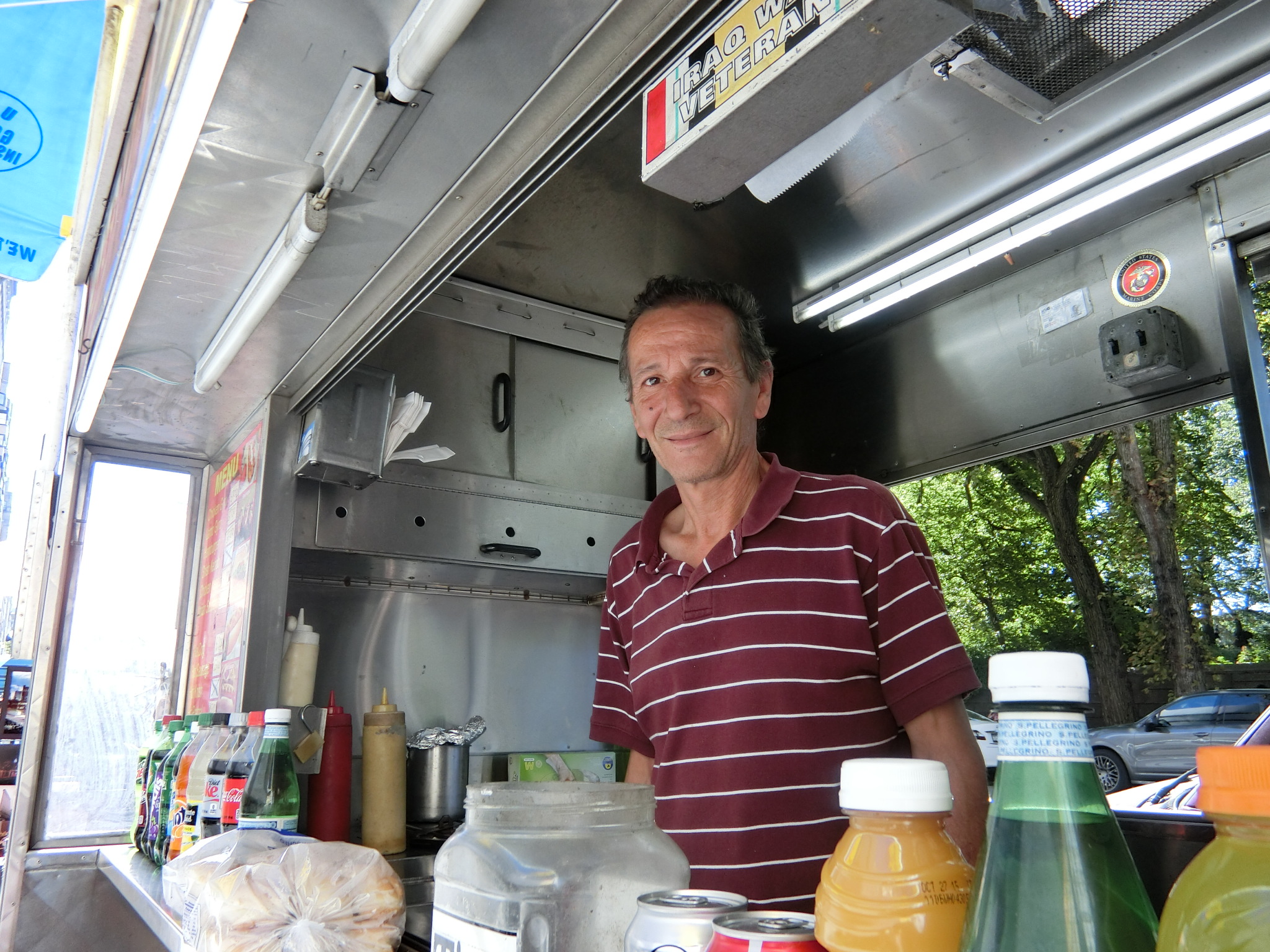
As Gracie pulls me on, I wonder. Why did he say that? I don’t know his name, but he knows something about me. At the end of my 1.6 mile walk around the reservoir, I return to his food cart.

“Hey, excuse me,“ I say. “Can I ask you a question?”

He turns from what he’s doing and steps closer to his cart window, looking down at me.

“Did you know that I’d been sick?” I ask him. “Is that why you said that before?”

He smiles kindly. “Yeah, I talked to the guy who walks your dog. I asked him about you.”

I let that sink in for a moment. I take another risk.

“You were sick a while back too, right? I noticed you’d lost weight, and then you weren’t around for a while.”

“I lost a kidney,” he replies. “But now I’m 100%.” He says this with a big smile, spreading his hands expansively to measure his improvement. “ What were you sick with?”

“Breast cancer,” I say, without hesitation. “Surgery, chemo, radiation, the whole shebang. Now I’m 100% too.”

I reach my hand into his cart. “I’m Debbie. Nice to meet you, neighbor.”

“Jimmy”, he says, shaking my hand.

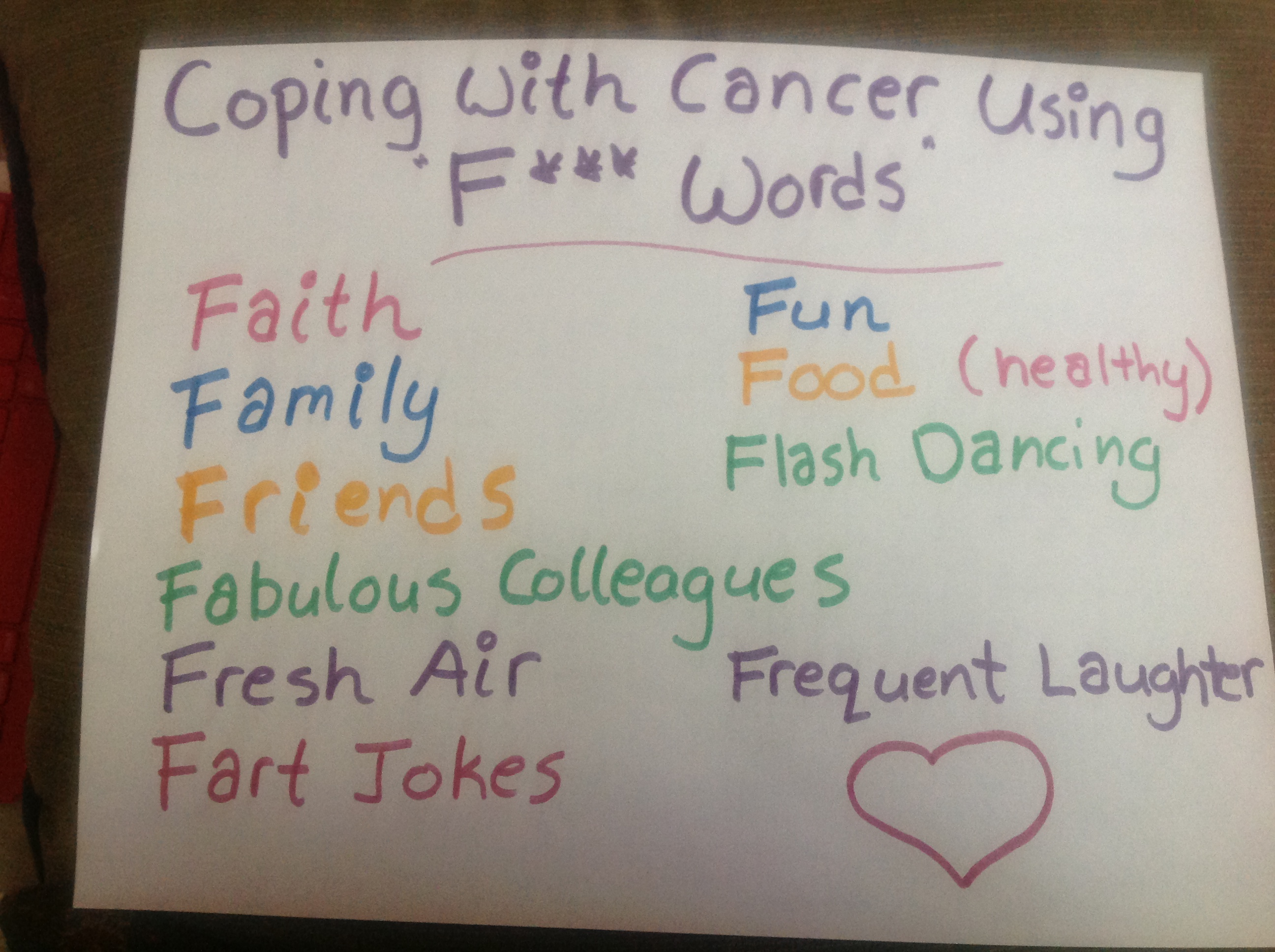
I see this encounter as a reminder. I survived some pretty daunting medical treatment in 2013. But I had incredible support from some unexpected places. In addition to a community of colleagues and Bank Street College alumni who did everything from walking my dog to accompanying me to chemo appointments, I had my own secret weapon. I reached into my Child Life bag of tricks for coping mechanisms to help me through. I used play, humor, writing and videography to scaffold my journey.

IMG_0018

This week I face a much less frightening surgery, an outpatient procedure to mend a torn tendon in my right wrist. Until this morning, though, I have to admit I was feeling a bit sorry for myself and pretty anxious about being stuck left handed for the duration of my recovery.

But Jimmy’s witnessing was a reminder. It jumpstarted my awareness of the lessons learned during cancer treatment. I have all that I need. It’s all here. I can handle this. All I have to do is reach for it.

IMG_5083

A Bull in A China Shop in Japan

maxresdefault

My travels have opened my eyes and heart to other cultures. But sometimes it is a steep learning curve to communicate and function in a foreign land. As I journeyed to 4 Japanese cities in 12 days on teaching business, I felt way out of my element and clumsy in my efforts to behave appropriately in a vastly different environment. The image of a bull in a china shop kept flitting before my eyes every time I did something that felt dissonant and out of place. Thank goodness for the goodwill and generosity of my hosts.

Here are some of the many bloopers I made.

To begin with, everything is small, precise and beautiful in Japan. The people are orderly, fashionable, demure, and unendingly polite. Citizens stand in perfect lines, one behind the other, on train platforms. They speak quietly, if at all, in public places like elevators, restaurants and on trains. Children are quiet and obedient. The mere act of conversing with my travel companion, Marifer, made me feel like I was shouting in a place of worship. Never mind the times when we actually did have to call out to one another when we found ourselves separated in a store or train station.

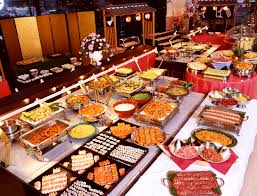
The food everywhere is exquisitely prepared. At my first breakfast at Hotel Associa in Shizuoka, I was overwhelmed by the many dishes and the artful presentation of the bounty. I promptly whacked one of the dishes with my purse, sending a pair of tiny serving tongs flying. When I turned to retrieve them, I stepped on them and mangled them beyond repair. Oh no.imgres-4

According to my guide book on Japanese culture, being punctual is highly valued and expected. In my everyday life, I pride myself on arriving on time to all appointments. But, on my first day of teaching at Shizuoka University, I inadvertently took a taxi to the wrong campus, causing me to be twenty minutes late for my first day of school. When I arrived, the University President, Dean and several lead administrators were waiting for me outside the entrance in the 95 degree heat. Oh no. Continue reading

Traveler’s Prayer

imgres-4

I don’t believe in coincidence. I do believe in synchronicity. Less than 24 hours before I leave for a teaching trip to three cities in Japan, I open my book of daily inspirational reading Julia Cameron’s Transitions: Prayers and Declarations for a Changing Life to this passage:

“My Lifetime listens to yours”   Muriel Rukeyser

“The world is peopled by travelers each with a journey. As we make our way through our own obstacles, we are often oblivious to those who travel by our side. And yet when we open our hearts to the adventures and adversities of others, our own journey is illuminated. Those who travel beside me are my teachers and those I teach in turn.

Today, I turn my attention to the lives of others. I open to the interactive dance of our intersecting lives. Alert and attentive, I learn from those around me. Empathetic and involved, I teach what I have learned. Ours is a journey of shared hearts. I lift the lantern of camaraderie.”

And thank you Betsy for reminding me of the analogy of Johnny Appleseed. I look forward to seeing what wisdom I can gather as well as scatter.

Getting Older

image
Me and my godson, Joaquin July 2015

Tomorrow at 12:50 AM, I turn 54 years old. Many women do not want anyone to know their age. I remember turning forty and all the angst that led up to that day -such a waste of energy now looking back.  By fifty, I had wised up a bit and  celebrated my birthday by going skinny dipping  with friends. But now things are even more clear. When you have survived cancer, there is a crack in the door of egocentrism that can squeak open to reveal a great deal of light — if you allow it in. I now celebrate my aging with gusto, even if that means a slowing metabolism, greying hair, hot flashes, and an ache here and there (and here and there and here and there!!!).

I am so profoundly thankful for every day of health, for the joy of spending time in the company of really good people, and for my adventures, of which there are many. I am glad that I am here on earth enjoying these things, even when I get tripped up by a modicum of anxiety and fear, probably on a daily basis.

A writing coach is assisting me with the immense task of authoring a book. As I stumble about trying to figure out what the focus should be, what to leave in and what to take out, she says, “Your account of your cancer treatment is too cheerful. I want to hear more about your pain, what you endured.” Continue reading